Copyright The California Red Sheep Registry, Inc. and/or circleofdreamers.com.

The
California
Red Sheep
Registry
















ONLINE FORMS
New Membership Application
Renewal of Membership
Registration Application
Show Certificate Application
Record of Sale
Record of Show
Record of Service
REGISTRY INFORMATION
History
Standards
Fee Schedule
Registration Photo Tips
Board of Directors
ByLaws
Rules
REGISTRATION LISTS
Ram List
Ewe List
Certificate of Origin List
Pedigrees
Rebuilding Project Ram List
Rebuilding Project Ewe List
REBUILDING PROJECT
Rebuilding Project Overview
CR Inbreeding Assessment
Rebuilding Plan
Intent to Participate Form
Lineage Registry Application
Application for New CA Re
For More Information contact:
Contact CA Red Sheep Registry
Lyn Brown, Registrar
California Red Sheep Registry
PO Box 468
LaPlata, NM 87418
(505) 486-5564

The
California
Red Sheep
Registry

ONLINE FORMS
New Membership Application
Renewal of Membership
Registration Application
Show Certificate Application
Record of Sale
Record of Show
Record of Service
REGISTRY INFORMATION
History
Standards
Fee Schedule
Registration Photo Tips
Board of Directors
ByLaws
Rules
REGISTRATION LISTS
Ram List
Ewe List
Certificate of Origin List
Pedigrees
Rebuilding Project Ram List
Rebuilding Project Ewe List
REBUILDING PROJECT
Rebuilding Project Overview
CR Inbreeding Assessment
Rebuilding Plan
Intent to Participate Form
Lineage Registry Application
Application for New CA Re






















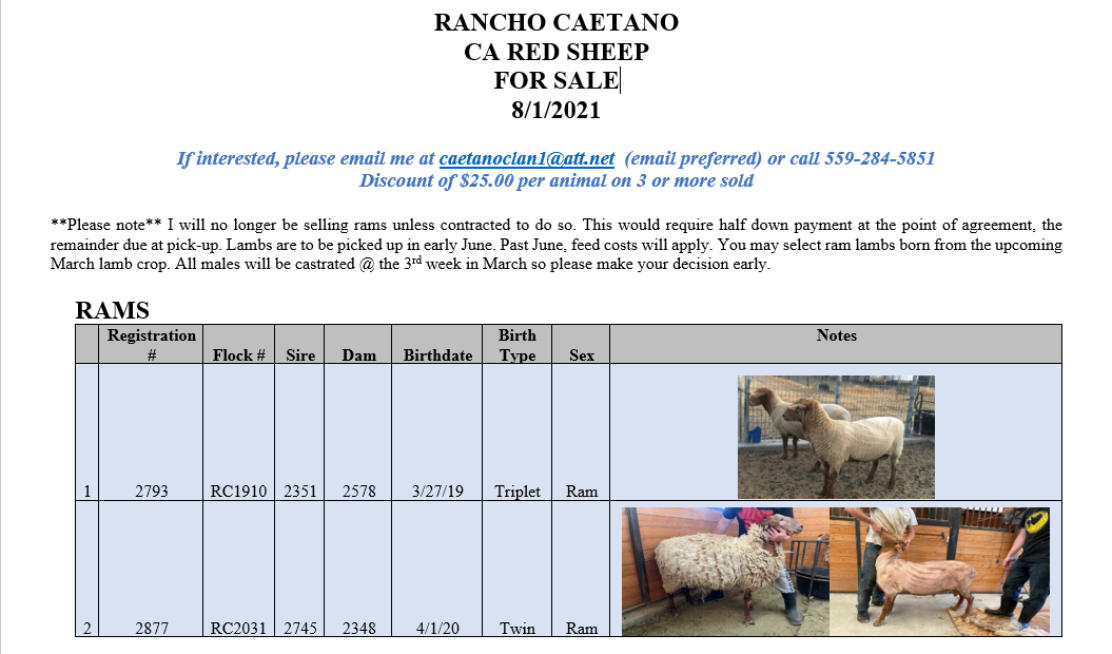
For Sale ads are free to California Red Sheep
Registry members.
They must include animals registration numbers
and/or parents registration numbers.
NEW MEMBER APPLICATION
New memberships include a membership book that has breed history, standdards, rules and registry records. Membership includes 2 voting family members and free non-voting memberships of any junior (22 years and under) family members. Members are entitled to reduced fees on registration, show certificates, transfers and other services. See Fee Schedule for details. Those who join in the last quarter of the year will have their membership extended to December of the following year. Upon completion of this application you will receive an invoice for services which may be paid by credit card, debit card or check.RENEWAL OF MEMBERSHIP
Renewal of membership is due on January 1st of each year. Memberships end on December 31 of that year. See Fee Schedule for details. Upon completion of this application you will receive an invoice for services which may be paid by credit card, debit cand or check.REGISTRATION APPLICATION
Ewes must be at least 6 months of age to apply for registration. Rams must be 1 year of age to be eligible. Upon completion of application(s) you will receive an invoice for services which may be paid by credit card, debit cand or check.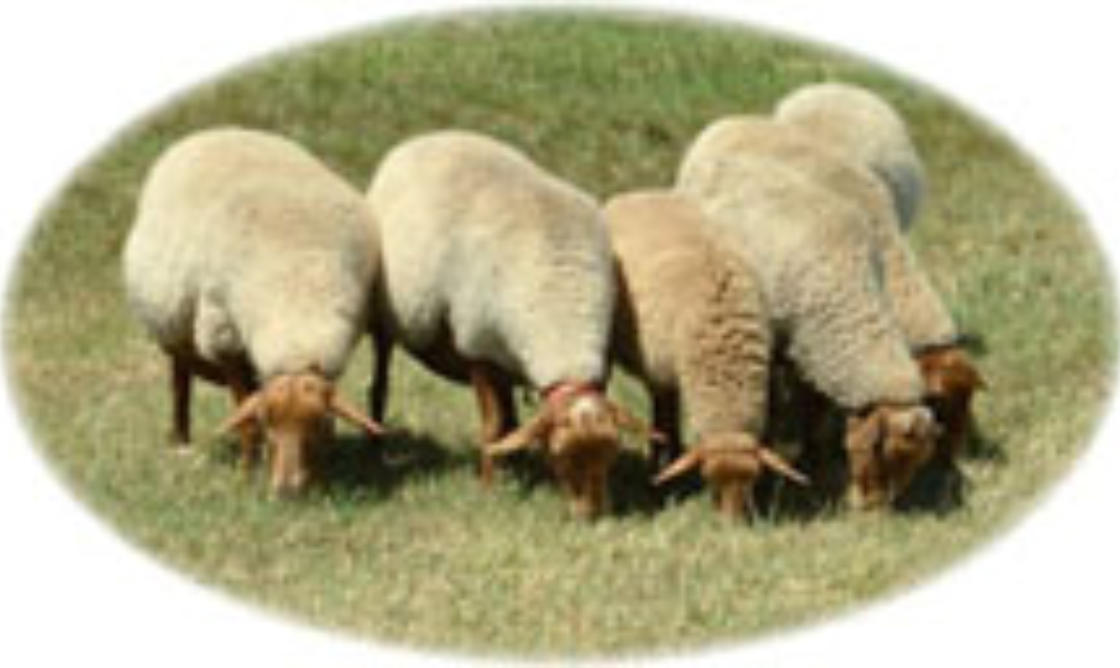
The Record of Sale is not a required form. The purpose of this form
is to notify the registrar that animals you sell prior to registration
are eligible (or not eligible) for future registration.
RECORD OF SHOW
This form should be used when submitting show results on Registered California Red Sheep. The Show Incentives Committee will determine rules and incentives for each years show incentive program. This form will be required to receive any incentives.Show Certificate application
The purpose of a show certificate is to provide you with proof of breed for show
purposes prior to the animal reaching minimum age for registration. Show certificates
may also be obtained for show wethers. Wethers are not registerable at any age.
RECORD OF SERVICE
This form should be used when a ewe or ewes are sold after being exposed to a ram. The new owner will need to have this form in order to register lambs conceived prior to their ownership of ewes.rECORD OF SALE







Copyright The California Red Sheep Registry, Inc. and/or circleofdreamers.com.
NEW MEMBER APPLICATION
New memberships include a membership book that has breed history, standdards, rules and registry records. Membership includes 2 voting family members and free non-voting memberships of any junior (22 years and under) family members. Members are entitled to reduced fees on registration, show certificates, transfers and other services. See Fee Schedule for details. Those who join in the last quarter of the year will have their membership extended to December of the following year. Upon completion of this application you will receive an invoice for services which may be paid by credit card, debit card or check.RENEWAL OF MEMBERSHIP
Renewal of membership is due on January 1st of each year. Memberships end on December 31 of that year. See Fee Schedule for details. Upon completion of this application you will receive an invoice for services which may be paid by credit card, debit cand or check.REGISTRATION APPLICATION
Ewes must be at least 6 months of age to apply for registration. Rams must be 1 year of age to be eligible. Upon completion of application(s) you will receive an invoice for services which may be paid by credit card, debit cand or check.



REGISTRATION APPLICATION
Ewes must be at least 6 months of age to apply for registration. Rams must be 1 year of age to be eligible. Upon completion of application(s) you will receive an invoice for services which may be paid by credit card, debit cand or check.


The purpose of a show certificate is to
provide you with proof of breed for show
purposes prior to the animal reaching
minimum age for registration. Show
certificates may also be obtained for show
wethers. Wethers are not registerable at
any age.
The Record of Sale is not a required
form. The purpose of this form is to
notify the registrar that animals you
sell prior to registration are eligible
(or not eligible) for future
registration.
RECORD OF SERVICE
This form should be used when a ewe or ewes are sold after being exposed to a ram. The new owner will need to have this form in order to register lambs conceived prior to their ownership of ewes.












General Information












FAQs

-Why should I register my sheep?
Maintaining a registered flock strengthens your reputation as a credible breeder and increases and protects the value of your animals. It warrantees to
your buyers that the sheep you are selling them meet breed standards and thereby makes your animals more marketable. A registered flock provides
traceability of pedigree and researchable records for buyers and breeders. In addition, especially when dealing with a rare breed like California Red
Sheep, registry records provide a pool of genetic data which can be analyzed and shared with other breeders, ultimately leading to breed preservation
and improvement.
- Why can't I register my lambs as soon as they are born?
Having been developed in the 1970’s, the California Red Sheep breed is very young in terms of genetic development. The Board of Directors has, from
its inception, been concerned with developing and sustaining production animals that breed true to the Standard of Type for California Red Sheep. By
waiting until six months of age on ewes and one year of age on rams the registrar can insure that characteristics such as size, polledness, correct
coloration etc. are properly assessed on candidates for registration.
- How can I show my sheep in a breed classes when they aren’t old enough to register?
You may apply to the registrar for a show certificate, which verifies that the animal is of California Red Sheep parentage and at the time of application
appears to meet the standards. Show certificates expire one year from the date of birth of the lamb? In 2020, the Board of Directors voted to allow
show certificates for wethers. Wether show certificates will not have expiration dates and wethers will not be eligible for registration.
- Can I register a wether?
The California Red Sheep Registry does not register wethers. As of 2020, you may apply for a wether show certificate so that you can show your wether.
- I just sheared my sheep, how long do I have to wait to take registration photos?
Up until 17 April 2010, registration photos were required to be taken in full fleece. At that time the Board voted that photographs with application may
be taken either shorn or in full fleece
- If I use a CA Red ram that does not belong to me can I register the babies?
Yes, however, effective 19 January 2014, you are required to submit a Record of Service, if you are not the owner of the ram at time of service. This form
should also be filed when a buyer purchases a ewe with a lamb in utero. This form requires that the owner of the ram sign verifying that his permission
has been given to the Registry to register sheep produced by the unions denoted on the form
- Do I need to provide a wool sample in order to register my sheep?
Effective 17 April 2010 wool samples are no longer required when registering California Red Sheep.
- Is there a weight requirement for registering California Red Sheep?
Yes, however, certified weights are no longer required and applicants no longer need to record weights on their application for registration. The
applicant does certify on the application “I certify that I have read the breed standards & registration requirements & I certify that the candidate named
above meets those requirements.” This includes the weight requirements. Current weight requirements are:
Rams: Yearling rams 160 pounds.
2 & 3 year old rams 180 pounds
Ewes: Six month ewes 70 pounds.
Each add’l month 5 pounds
Yearling ewes 100 pounds
2 year old ewes 120 pounds
3 year old ewes 130 pounds
- Why do I have to provide photographs with my application for registration?
The registrar needs to be able to verify that the candidate for registry meets the registration requirements and breed standards. Unlike breeds that
have been around for centuries, the California Red Sheep is less than 50 years old and still occasionally produces throwbacks to badgerface markings,
spots, white forward of the hornline, etc.
- Can I register a California Red Sheep over the age of three?
Registry rules prohibit registration of sheep who have turned four. However, on rare occasion the Board of Directors has entertained letters of hardship
and granted late registration for good reason.
- What is a ranch prefix?
In November 2012, the registrar reported that the Registry was getting numerous repeats on names (Scarlet, Ruby, Curly Sue, etc) and this was causing
some confusion by people looking up registration numbers for applications. Effective 23 February 2013, the Board directed the Registrar to begin
appending breeder farm/ranch initials to new animal registrations. Suggestions for prefixes are: Breeder’s personal initials, ranch name initials, or
Ranch Names. Once a prefix is assigned to a breeder that prefix cannot be used by any other breeder. A list of prefixes currently in use can be found
here..
- Do I have to use the eartags provided by the Registry when I registered my sheep?
Registry rules as of 28 April 2012 state: Each California Red Sheep, once registered, is required to be identified with its registration number.
Identification may be in the form of eartag, tattoo or microchip (location and type recorded with registry, owner must have chip reader.)
- Can I register a lamb produced through Artificial Insemination?
On the 20 of July, 1996, the Board of Directors approved the use of Artificial Insemination as an acceptable breeding practice, as long as the sample is
collected and processed by an accredited AI lab. Any member interested in using this breeding practice is to write a protocol to submit to the Registry
for prior approval. To-date no one has submitted a protocol.
- Can I have my California Red Sheep registered by inspection?
You can no longer have registrations approved by an inspector as of 2013. You may apply online or through mail-in application.
- It looks like my ram is getting horns, can he still be registered.
California Red Sheep are a polled breed. A full set of horns would eliminate him from eligibility for registration. Scurs, which the registry defines as any
partial horn growth measuring 1 (one) inch or more, also, disqualify the ram from registration. Nubs, defined as horn buds less than 1 (one) inch are
acceptable. Should you register a ram that produces horns or scurs at a later date it is your responsibility to cull the ram and notify the registry to
remove him.
- I see that I am suppose to check my ram for signs of Epididymitis when I apply for registration. What is Epididymitis and what am I looking for?
Ram Epididymitis (RE) is the major cause of reduced fertility in rams. Hard lumps in the scrotal sac is the only physical sign. Newly purchased rams
should be tested to insure that your herd is not infected.
- On my application for registration it tells me to cheek that my sheep’s teeth meet dental pad. What am I looking for?
If you look at your sheep’s mouth, it will have no teeth on top…this toothless gum area is the dental pad. Your sheep’s bottom teeth should touch that
dental pad. If the teeth protrude in front of the dental pad (long lower jaw) or if the teeth touch behind the dental pad (parrot mouth) this is a serious
conformation fault preventing the animal from adequately feeding itself and should not be registered.
- One of my California Red Sheep’s ancestors has a number preceeded by “C”, what does that mean?
From 30 November 1990 to 19 July 1992, the registry allowed the use of animals that did not meet registration requirements but had outstanding
qualities which the registry wanted to preserve. No rams were allowed to receive C (Certificate of Origin) status. The ewes were sometimes badgerface,
or had too much wool or too light weight. These animals could be used for breeding purposes only; their progeny were eligible for registry.
- Is the California Red Sheep Registry an open or closed registry?
The California Red Sheep Registry was closed on the 19 January 1992 which meant that only animals whose parents were registered California Red
Sheep or held Certificates of Origin could be registered. In November of 2012, the book was re-opened for the purpose of admitting new foundation
animals through a strictly regulated Rebuilding Program overseen by the Rebuilding Committee.
- I am not a member, can I advertise on the California Red Sheep website?
No. Classified ads on the website are limited to Members for advertising registered or registerable stock. Members may advertise free of charge, and
the ads will run for 90 days or until the webmaster is notified of sale, whichever occurs first. Members who provide ads are responsible for the accuracy
of their ads including the registration status of the animal.
- Does the California Red Sheep Registry have a junior membership?
As of Novemeber, 2013, the Registry created a committee to create rules, objectives and incentive for a Junior Membership. Junior Memberships will be
free with membership by an adult parent or guardian
- Can I pay for my membership and applications by credit card?
The Registry recently began accepting credit card payments through Paypal. Paypal transactions are subject to a 4.5% convenience fee.
Copyright The California Red Sheep Registry, Inc. and/or circleofdreamers.com.
FAQs
-Why should I register my sheep?
Maintaining a registered flock strengthens your
reputation as a credible breeder and increases and
protects the value of your animals. It warrantees to
your buyers that the sheep you are selling them meet
breed standards and thereby makes your animals
more marketable. A registered flock provides
traceability of pedigree and researchable records for
buyers and breeders. In addition, especially when
dealing with a rare breed like California Red Sheep,
registry records provide a pool of genetic data which
can be analyzed and shared with other breeders,
ultimately leading to breed preservation and
improvement.
- Why can't I register my lambs as soon as they are
born?
Having been developed in the 1970’s, the California
Red Sheep breed is very young in terms of genetic
development. The Board of Directors has, from its
inception, been concerned with developing and
sustaining production animals that breed true to the
Standard of Type for California Red Sheep. By waiting
until six months of age on ewes and one year of age
on rams the registrar can insure that characteristics
such as size, polledness, correct coloration etc. are
properly assessed on candidates for registration.
- How can I show my sheep in a breed classes when
they aren’t old enough to register?
You may apply to the registrar for a show certificate,
which verifies that the animal is of California Red
Sheep parentage and at the time of application
appears to meet the standards. Show certificates
expire one year from the date of birth of the lamb? In
2020, the Board of Directors voted to allow show
certificates for wethers. Wether show certificates will
not have expiration dates and wethers will not be
eligible for registration.
- Can I register a wether?
The California Red Sheep Registry does not register
wethers. As of 2020, you may apply for a wether show
certificate so that you can show your wether.
- I just sheared my sheep, how long do I have to wait to
take registration photos?
Up until 17 April 2010, registration photos were
required to be taken in full fleece. At that time the
Board voted that photographs with application may
be taken either shorn or in full fleece
- If I use a CA Red ram that does not belong to me can I
register the babies?
Yes, however, effective 19 January 2014, you are
required to submit a Record of Service, if you are not
the owner of the ram at time of service. This form
should also be filed when a buyer purchases a ewe
with a lamb in utero. This form requires that the owner
of the ram sign verifying that his permission has been
given to the Registry to register sheep produced by
the unions denoted on the form
- Do I need to provide a wool sample in order to
register my sheep?
Effective 17 April 2010 wool samples are no longer
required when registering California Red Sheep.
- Is there a weight requirement for registering
California Red Sheep?
Yes, however, certified weights are no longer required
and applicants no longer need to record weights on
their application for registration. The applicant does
certify on the application “I certify that I have read the
breed standards & registration requirements & I certify
that the candidate named above meets those
requirements.” This includes the weight requirements.
Current weight requirements are:
Rams: Yearling rams 160 pounds.
2 & 3 year old rams 180 pounds
Ewes: Six month ewes 70 pounds.
Each add’l month 5 pounds
Yearling ewes 100 pounds
2 year old ewes 120 pounds
3 year old ewes 130 pounds
- Why do I have to provide photographs with my
application for registration?
The registrar needs to be able to verify that the
candidate for registry meets the registration
requirements and breed standards. Unlike breeds that
have been around for centuries, the California Red
Sheep is less than 50 years old and still occasionally
produces throwbacks to badgerface markings, spots,
white forward of the hornline, etc.
- Can I register a California Red Sheep over the age of
three?
Registry rules prohibit registration of sheep who have
turned four. However, on rare occasion the Board of
Directors has entertained letters of hardship and
granted late registration for good reason.
- What is a ranch prefix?
In November 2012, the registrar reported that the
Registry was getting numerous repeats on names
(Scarlet, Ruby, Curly Sue, etc) and this was causing
some confusion by people looking up registration
numbers for applications. Effective 23 February 2013,
the Board directed the Registrar to begin appending
breeder farm/ranch initials to new animal
registrations. Suggestions for prefixes are: Breeder’s
personal initials, ranch name initials, or Ranch Names.
Once a prefix is assigned to a breeder that prefix
cannot be used by any other breeder. A list of prefixes
currently in use can be found here..
- Do I have to use the eartags provided by the Registry
when I registered my sheep?
Registry rules as of 28 April 2012 state: Each California
Red Sheep, once registered, is required to be
identified with its registration number. Identification
may be in the form of eartag, tattoo or microchip
(location and type recorded with registry, owner must
have chip reader.)
- Can I register a lamb produced through Artificial
Insemination?
On the 20 of July, 1996, the Board of Directors
approved the use of Artificial Insemination as an
acceptable breeding practice, as long as the sample is
collected and processed by an accredited AI lab. Any
member interested in using this breeding practice is
to write a protocol to submit to the Registry for prior
approval. To-date no one has submitted a protocol.
- Can I have my California Red Sheep registered by
inspection?
You can no longer have registrations approved by an
inspector as of 2013. You may apply online or through
mail-in application.
- It looks like my ram is getting horns, can he still be
registered.
California Red Sheep are a polled breed. A full set of
horns would eliminate him from eligibility for
registration. Scurs, which the registry defines as any
partial horn growth measuring 1 (one) inch or more,
also, disqualify the ram from registration. Nubs,
defined as horn buds less than 1 (one) inch are
acceptable. Should you register a ram that produces
horns or scurs at a later date it is your responsibility to
cull the ram and notify the registry to remove him.
- I see that I am suppose to check my ram for signs of
Epididymitis when I apply for registration. What is
Epididymitis and what am I looking for?
Ram Epididymitis (RE) is the major cause of reduced
fertility in rams. Hard lumps in the scrotal sac is the
only physical sign. Newly purchased rams should be
tested to insure that your herd is not infected.
- On my application for registration it tells me to cheek
that my sheep’s teeth meet dental pad. What am I
looking for?
If you look at your sheep’s mouth, it will have no teeth
on top…this toothless gum area is the dental pad. Your
sheep’s bottom teeth should touch that dental pad. If
the teeth protrude in front of the dental pad (long
lower jaw) or if the teeth touch behind the dental pad
(parrot mouth) this is a serious conformation fault
preventing the animal from adequately feeding itself
and should not be registered.
- One of my California Red Sheep’s ancestors has a
number preceeded by “C”, what does that mean?
From 30 November 1990 to 19 July 1992, the registry

OPENING
SOON
THE CALIFORNIA
RED SHEEP
STORE


Registry Information
History Standards Fee Schedule Registration Photo Tips Board of Directors ByLaws Rules
Copyright The California Red Sheep Registry, Inc. and/or circleofdreamers.com.

Registry
Information
History Standards Fee Schedule Registration Photo Tips Board of Directors ByLaws RulesSPA WEEKEND
Ex incididunt duis ullamco occaecat excepteur quis aliqua ad non, adipisicing anim ut. Dolor ut consequat amet nisi dol.

ACTIVITY WEEK
Ex incididunt duis ullamco occaecat excepteur quis aliqua ad non, adipisicing anim ut. Dolor ut consequat amet nisi dol.

SMOOTHIE WORKSHOP
Ex incididunt duis ullamco occaecat excepteur quis aliqua ad non, adipisicing anim ut. Dolor ut consequat amet nisi dol.

History of the
California Red Sheep
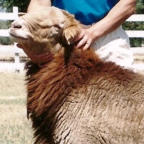
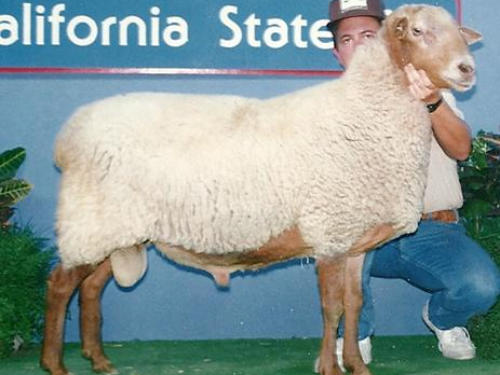
Registry #1 Boy in 1983
The history of the California Red Sheep began in the early 1970's when Dr. Glenn Spurlock in Davis, CA embarked on a Home Project (not
affiliated with UC Davis), of crossing Tunis and Barbados sheep.
Originally, Dr. Spurlock's goal was to create a larger framed, wool-less breed of sheep. His efforts to obtain the wool-less feature failed, but
the remarkable hybrid sheep caught the eyes of Aime & Paulette Soulier of Winters, California.
Through extensive efforts and selective breeding, the Souliers slowly increased the size of their flock and interested other sheep breeders
including Alice Gardner of Dixon, CA. Over the years, their combined breeding efforts helped expand the scope of the program so that today
there are more than fifty breeders throughout the US. To date, over 2,800 Reds have been enrolled in the California Red Sheep Registry
since its inception.
The wool of this distinctive young breed is prized by hand spinners and weavers alike and the meat is unequaled in
tenderness and delicate flavor. Additionally, the newly created California Red breed displayed a calm, gentle disposition,
distinctive color, resistance to many of the health and handling problems and also proved to be a successful year round
breeder.
What are they like?
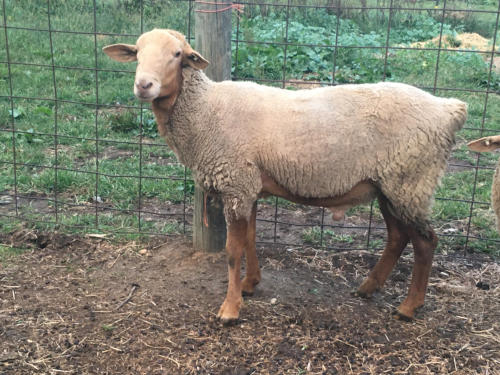
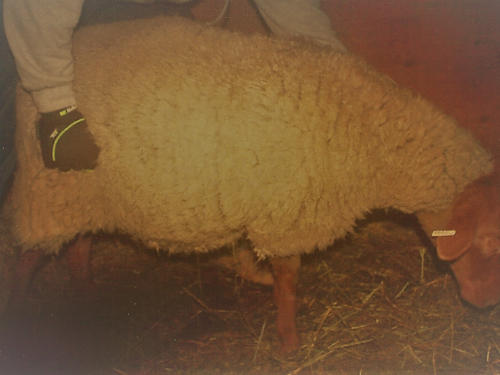
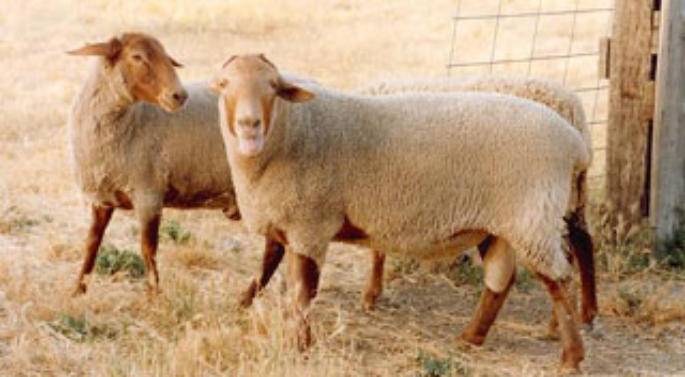
California Reds are graceful and eye catching in appearance. The rams in particular can be rather striking with manes
of red hair (as in photo) in contrast to their beige or oatmeal colored wool. The legs and head are free of wool and
instead are covered with hair ranging from gold to dark cinnamon in color. Both the ewes and rams have a bold, strong
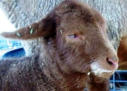
expression accented by finely chiseled muzzles. Their long and slightly pendulous ears give them a deer-like
appearance when alert and at attention.
Considered medium-sized sheep, when mature the rams weigh 225-250 pounds on average; and the ewes range from
130-150 pounds. Though alert and athletic, both rams and ewes are known for their gentle easy going temperaments and responsiveness to
quiet handling. Both sexes are naturally hornless.
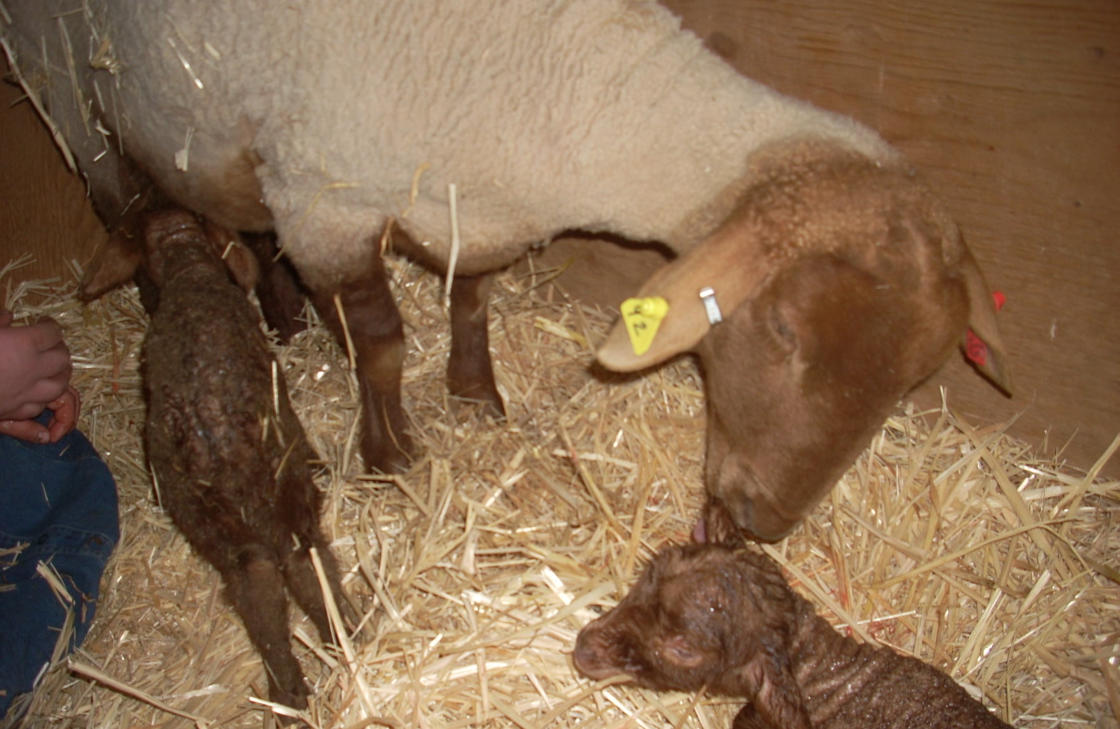
The ewes are very patient but possessive mothers that instinctively care for the needs of their young. Ewes bond well with their lambs and
can be quite defensive of them when needed. While yearlings can often give birth to single lambs, twins are not uncommon. As the ewes
mature, and with successive lambing, twins (and occasionally multiples) are usually born along with plenty of milk available to feed the
lambs. The belly and udder areas are pretty well free of wool so that even the most timid lambs are able to nurse easily.
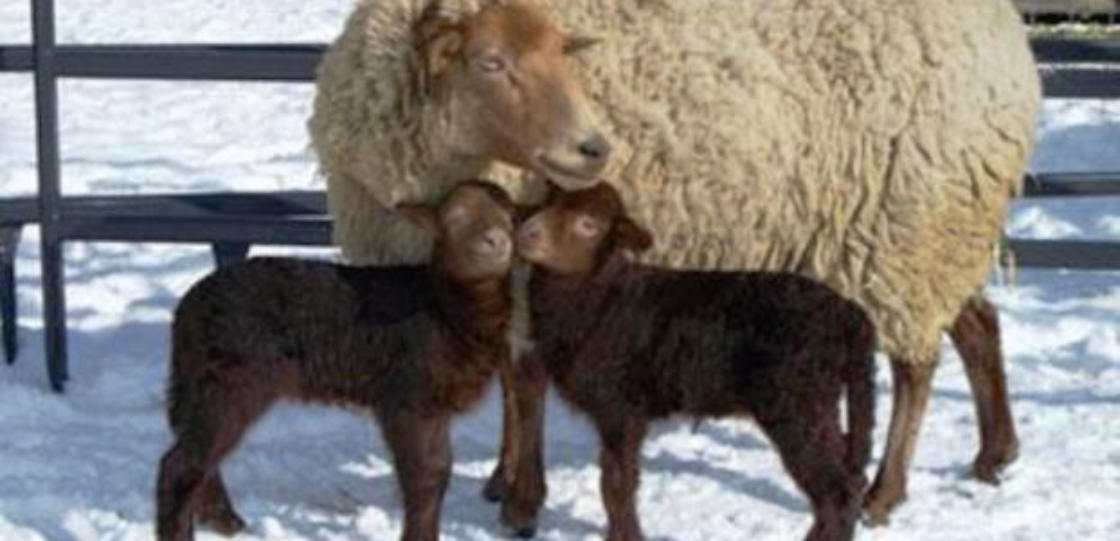
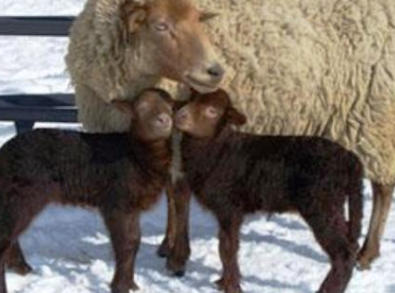
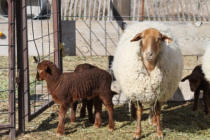
Lambs are born a solid rust or cinnamon red color. As they mature, the hair color that is retained on the legs
and head can range from gold to dark cinnamon. The wool, as it grows out on the young animal, turns to beige
or oatmeal in sharp contrast to the richly colored wool-free head and limbs. This transformation appears around
12-18 mos old or earlier depending on shearing.
The California Red is an easy keeping breed that, when fed a balanced pasture grass and/or hay diet, does not
require heavy graining to reach market weight. Depending on the region, weather conditions and type of wool
market, California Reds are usually shorn once a year, just prior to lambing. Though the breed originated in California, they have been
successfully ranged in extremely harsh weather area ranches in Canada, Colorado, Idaho and throughout the United States.
Why consider California Reds?
The desirable traits of this relatively new breed is many fold ...
•WOOL is beige or oatmeal colored with hairs, ranging from gold to dark cinnamon red, intermixed throughout. Due to the
silky feel of the wool, along with the unique visual texture of the contrasting hairs, it is no surprise that it is sought after by
hand spinners and weavers. The staple length is usually three to six inches and measures in the 50 to 60's by the Bradford
count, 30's micron count.
•TROUBLE FREE BREEDING & LAMBING --The reproductive characteristics of California California Red Sheep lamb Shear Perfection Ranch
demonstrating superior milk productionReds are also quite favorable. The rams are very active even in the hot summer
months making year round breeding an option for many sheep raisers. The quiet, gentle and dedicated mothering nature
of the ewes results in very few lambing or lamb-raising problems. Due to ample milk production, nursing lambs have very
good weight gain even though twins are normally produced.
•MEAT -- The meat from California Reds is unequaled in tenderness and taste. Along with a delicate flavor, their meat also contains
significantly less fat than that of the more common sheep breeds. High quality meat production along with year round breeding is a
winning combination for any sheep raiser, large or small.
•MILK – The milk from California Red sheep has been found to be high in milk solids and their calm demeanors make them excellent
candidates for inclusion in small/home dairy operations.


Copyright The California Red Sheep Registry, Inc. and/or circleofdreamers.com.
History of the
California Red Sheep
Registry #1 Boy in 1983
The history of the California Red Sheep began in the
early 1970's when Dr. Glenn Spurlock in Davis, CA
embarked on a Home Project (not affiliated with UC
Davis), of crossing Tunis and Barbados sheep.
Originally, Dr. Spurlock's goal was to create a larger
framed, wool-less breed of sheep. His efforts to obtain
the wool-less feature failed, but the remarkable hybrid
sheep caught the eyes of Aime & Paulette Soulier of
Winters, California.
Through extensive efforts and selective breeding, the
Souliers slowly increased the size of their flock and
interested other sheep breeders including Alice
Gardner of Dixon, CA. Over the years, their combined
breeding efforts helped expand the scope of the
program so that today there are more than fifty
breeders throughout the US. To date, over 2,800 Reds
have been enrolled in the California Red Sheep Registry
since its inception.
The wool of this distinctive young
breed is prized by hand spinners and
weavers alike and the meat is
unequaled in tenderness and delicate
flavor. Additionally, the newly created
California Red breed displayed a calm, gentle
disposition, distinctive color, resistance to many of the
health and handling problems and also proved to be a
successful year round breeder.
What are they like?
California Reds are graceful and
eye catching in appearance. The
rams in particular can be rather
striking with manes of red hair
(as in photo) in contrast to their
beige or oatmeal colored wool.
The legs and head are free of
wool and instead are covered
with hair ranging from gold to dark cinnamon in color.
Both the ewes and rams have a bold, strong expression
accented by finely chiseled muzzles. Their long and
slightly pendulous ears give them a deer-like
appearance when alert and at attention.
Considered medium-sized sheep, when mature the
rams weigh 225-250 pounds on average; and the ewes
range from 130-150 pounds. Though alert and athletic,
both rams and ewes are known for their gentle easy
going temperaments and responsiveness to quiet
handling. Both sexes are naturally hornless.
The ewes are very patient but possessive mothers that
instinctively care for the needs of their young. Ewes
bond well with their lambs and can be quite defensive
of them when needed. While yearlings can often give
birth to single lambs, twins are not uncommon. As the
ewes mature, and with successive lambing, twins (and
occasionally multiples) are usually born along with
plenty of milk available to feed the lambs. The belly and
udder areas are pretty well free of wool so that even the
most timid lambs are able to nurse easily.
Lambs are born a solid
rust or cinnamon red
color. As they mature,
the hair color that is
retained on the legs and
head can range from
gold to dark cinnamon.
The wool, as it grows out on the young animal, turns to
beige or oatmeal in sharp contrast to the richly colored
wool-free head and limbs. This transformation appears
around 12-18 mos old or earlier depending on shearing.
The California Red is an easy keeping breed that, when
fed a balanced pasture grass and/or hay diet, does not
require heavy graining to reach market weight.
Depending on the region, weather conditions and type
of wool market, California Reds are usually shorn once a
year, just prior to lambing. Though the breed originated
in California, they have been successfully ranged in
extremely harsh weather area ranches in Canada,
Colorado, Idaho and throughout the United States.
Why consider California Reds?
The desirable traits of this relatively new breed is many
fold ...
•WOOL is beige or oatmeal colored with hairs, ranging
from gold to dark cinnamon red,
intermixed throughout. Due to the
silky feel of the wool, along with the
unique visual texture of the
contrasting hairs, it is no surprise
that it is sought after by hand spinners and weavers.
The staple length is usually three to six inches and
measures in the 50 to 60's by the Bradford count, 30's
micron count.
•TROUBLE FREE BREEDING &
LAMBING --The reproductive
characteristics of California
California Red Sheep lamb Shear
Perfection Ranch demonstrating
superior milk productionReds are also quite favorable.
The rams are very active even in the hot summer
months making year round breeding an option for
many sheep raisers. The quiet, gentle and dedicated
mothering nature of the ewes results in very few
lambing or lamb-raising problems. Due to ample milk
production, nursing lambs have very good weight gain
even though twins are normally produced.
•MEAT -- The meat from California Reds is unequaled in
tenderness and taste. Along with a delicate flavor, their
meat also contains significantly less fat than that of the
more common sheep breeds. High quality meat
production along with year round breeding is a
winning combination for any sheep raiser, large or
small.
•MILK – The milk from California Red sheep has been
found to be high in milk solids and their calm
demeanors make them excellent candidates for
inclusion in small/home dairy operations.


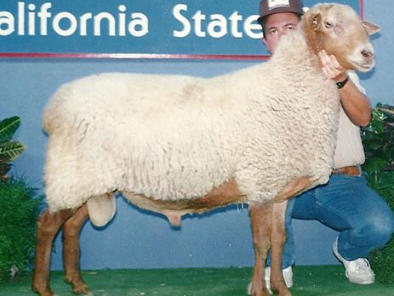
1. BODY-Medium breadth of chest with back wide and long. Viewed from the side, the top line should be straight. Hindquarters should be wide
and deep with well-muscled thighs.
2. HEAD/FACE-Head is distinctive, hornless, both with a prominent nose, wide nostrils, and a strong jaw. There should be no wool forward of the
ears.
3. MOUTH-Even well-set jaw with teeth meeting the dental pad with a firm bite.
4. LEGS-Well placed on the corners of the torso. Legs should also be covered with gold to cinnamon colored hair and no wool should be present
below knees or hocks. The bone should be adequate to carry the body weight of rams; and in ewes be adequate to support her when carrying
multiple lambs. Joints should be well developed so that the legs are reasonably straight and supportive. Pasterns should be well set up and
straight.
5. FLEECE-Wool is beige or oatmeal in color, fine to medium in handle and has a silky texture with reddish hair. Wool should not extend forward
of the horn line or below the hocks. Annual growth should average 3-6” and each animal fleece should average 4-7 lbs.
6. COLOR-Ears, muzzle, legs, and head should be covered with gold to cinnamon colored hair. Black, brown, and gray colors are unacceptable
in coloration.
7. SPOTS-A white spot on top of the head should not be penalized, but it must be small and cannot extend on to the face of the animal, in front
of the horn line. Black or white spots anywhere on the body are unacceptable.
8. RAMS-Rams should appear strong and masculine. Rams shall have two normal distended testicles of equal size and have a good
circumference. A split in the testes is undesirable. Rams often have extensive manes of red hair and this should not be penalized. California Red
rams are active breeders even in the heat of summer.
9. EWES-Ewes should cycle year-round and are virtually free of lambing problems. California Red ewes are excellent mothers and produce
enough milk to easily raise twins. Appearance should be bright and alert with feminine characteristics.
10. TAIL-Well set up, almost level with the top line.
11. BELLY-Little or no wool
12. EARS-Ears should be long and pendulous.
13. EYES-Eyes should be bright and alert with no evidence of corneal ulceration due to split eyelid or inverted eyelid. Eye color should range
from a dark yellow to dark brown.
14. FEET-Feet should be pointed straight ahead and not turn out at an angle. Split between toes should not be large or splayed. Feet should be
resistant to foot rot or scald.
15. DISPOSITION-California Reds are alert and athletic, but both rams and ewes react well to quiet treatment and are not difficult to handle.
16. MOTTLING-While spots are not desirable on the face, body or legs, mottled skin (pink with black or dark red spots) in the nasal area, inside
ears, on udders and teats, anus and on the sheath area of the ram are acceptable and may be considered desirable, as pigmentation indicates a
stronger skin, which is less subject to chaffing, cracking and sunburn.
Present members of the registry have adopted the following “standards of type” which they believe are the desirable characteristics of
the ideal California Red Sheep. The Standards of Type portrays the ideal for which every breeder should aim. As breeders we must not
be satisfied with existing animals, but from them strive to strengthen weaknesses without losing strengths. All defects are relative. For
example, a foot can be so slightly twisted that the defect is insignificant, or it could be so badly deformed that the animal should not be
registered. Defects are also of relative importance one to another. For instance, a sheep of weak conformation and relatively true to type
in all other aspects is much more serious than a sheep with a spot. As guardians of the breed, each breeder should have some idea not
only of the relative importance of defects, the aggregate importance of minor defects, but also when the extent of one or more defects
warrants not registering a candidate or pulling an already registered animal. The quality of what we produce will ultimately determine
its market value.
NOTE: ***These Standards of Type are not the registration requirements. Registration Requirements will be addressed elsewhere in this
Registry Book.
Copyright The California Red Sheep Registry, Inc. and/or circleofdreamers.com.
Present members of the registry have adopted the
following “standards of type” which they believe are the
desirable characteristics of the ideal California Red
Sheep. The Standards of Type portrays the ideal for
which every breeder should aim. As breeders we must
not be satisfied with existing animals, but from them
strive to strengthen weaknesses without losing
strengths. All defects are relative. For example, a foot
can be so slightly twisted that the defect is insignificant,
or it could be so badly deformed that the animal should
not be registered. Defects are also of relative
importance one to another. For instance, a sheep of
weak conformation and relatively true to type in all
other aspects is much more serious than a sheep with a
spot. As guardians of the breed, each breeder should
have some idea not only of the relative importance of
defects, the aggregate importance of minor defects,
but also when the extent of one or more defects
warrants not registering a candidate or pulling an
already registered animal. The quality of what we
produce will ultimately determine its market value.
NOTE: ***These Standards of Type are not the
registration requirements. Registration Requirements
will be addressed elsewhere in this Registry Book.
1. BODY-Medium breadth of chest with back wide and
long. Viewed from the side, the top line should be
straight. Hindquarters should be wide and deep with
well-muscled thighs.
2. HEAD/FACE-Head is distinctive, hornless, both with
a prominent nose, wide nostrils, and a strong jaw.
There should be no wool forward of the ears.
3. MOUTH-Even well-set jaw with teeth meeting the
dental pad with a firm bite.
4. LEGS-Well placed on the corners of the torso. Legs
should also be covered with gold to cinnamon colored
hair and no wool should be present below knees or
hocks. The bone should be adequate to carry the body
weight of rams; and in ewes be adequate to support
her when carrying multiple lambs. Joints should be
well developed so that the legs are reasonably straight
and supportive. Pasterns should be well set up and
straight.
5. FLEECE-Wool is beige or oatmeal in color, fine to
medium in handle and has a silky texture with reddish
hair. Wool should not extend forward of the horn line
or below the hocks. Annual growth should average 3-
6” and each animal fleece should average 4-7 lbs.
6. COLOR-Ears, muzzle, legs, and head should be
covered with gold to cinnamon colored hair. Black,
brown, and gray colors are unacceptable in coloration.
7. SPOTS-A white spot on top of the head should not
be penalized, but it must be small and cannot extend
on to the face of the animal, in front of the horn line.
Black or white spots anywhere on the body are
unacceptable.
8. RAMS-Rams should appear strong and masculine.
Rams shall have two normal distended testicles of
equal size and have a good circumference. A split in
the testes is undesirable. Rams often have extensive
manes of red hair and this should not be penalized.
California Red rams are active breeders even in the
heat of summer.
9. EWES-Ewes should cycle year-round and are
virtually free of lambing problems. California Red ewes
are excellent mothers and produce enough milk to
easily raise twins. Appearance should be bright and
alert with feminine characteristics.
10. TAIL-Well set up, almost level with the top line.
11. BELLY-Little or no wool
12. EARS-Ears should be long and pendulous.
13. EYES-Eyes should be bright and alert with no
evidence of corneal ulceration due to split eyelid or
inverted eyelid. Eye color should range from a dark
yellow to dark brown.
14. FEET-Feet should be pointed straight ahead and
not turn out at an angle. Split between toes should
not be large or splayed. Feet should be resistant to foot
rot or scald.
15. DISPOSITION-California Reds are alert and athletic,
but both rams and ewes react well to quiet treatment
and are not difficult to handle.
16. MOTTLING-While spots are not desirable on the
face, body or legs, mottled skin (pink with black or
dark red spots) in the nasal area, inside ears, on udders
and teats, anus and on the sheath area of the ram are
acceptable and may be considered desirable, as
pigmentation indicates a stronger skin, which is less
subject to chaffing, cracking and sunburn.
BOARD MEMBERS OF THE CALIFORNIA RED SHEEP REGISTRY
Lynda Silk (Sutter, CA)-President Heidi Caetano (Madera, CA)-Vice President Traci Virus(Hebron NE)-Recording Secretary/Treasurer Lorrie Crumpler (Newport, WA)-Board Member Lyn Brown (La Plata, NM)-Registrar Kerry Rapelje Calhan, CO)-Board Member Jamie Jackson (Cody, WY)-Board Member COMMITTEES Rebuilding Project Kerry Rapelje, Chairperson Lyn Brown Karen Lewis Mary Lee Baker Alford Lynda Silk Lorrie Crumpler Karen Dukes Heidi Caetano Kathleen Alford Show Incentives Lynda Silk, Co-Chair Traci Virus, Co-Chair Newsletter NEED VOLUNTEERS Show/Exhibit Lynda Silk, Chairperson Lyn Brown NOTE: If you would like to volunteer to be part of any of these committees, please send email to the registry.
Copyright The California Red Sheep Registry, Inc. and/or circleofdreamers.com.
BOARD MEMBERS OF THE CALIFORNIA RED
SHEEP REGISTRY
Lynda Silk (Sutter, CA)-President Heidi Caetano (Madera, CA)-Vice President Traci Virus(Hebron NE)-Recording Secretary/Treasurer Lorrie Crumpler (Newport, WA)-Board Member Lyn Brown (La Plata, NM)-Registrar Kerry Rapelje Calhan, CO)-Board Member Jamie Jackson (Cody, WY)-Board Member COMMITTEES Rebuilding Project Kerry Rapelje, Chairperson Lyn Brown Karen Lewis Mary Lee Baker Alford Lynda Silk Lorrie Crumpler Karen Dukes Heidi Caetano Kathleen Alford Show Incentives Lynda Silk, Co-Chair Traci Virus, Co-Chair Newsletter NEED VOLUNTEERS Show/Exhibit
Copyright The California Red Sheep Registry, Inc. and/or circleofdreamers.com.
Fee Schedule


Service
USA Member
Member
Outside USA
Non-Member
USA
Non-Member
Outside USA
New Membership
(includes Registry
Binder)
$20
$25
n/a
n/a
Annual Renewal
(includes updated
pages for Registry
binder by email)
$15
$15
n/a
n/a
Annual Renewal
(includes updated
pages for Registry
binder by mail)
$20
$25
n/a
n/a
Junior Membership
free with
parent/guardian
membership
free with
parent/guardian
membership
n/a
n/a
Application for
Registration Per
Animal (whether pass
or fail)
$7.50
$10.00
$15,00
$20.00
Show Certificate per
Animal (whether pass
or fail)
$5.00
$7.50
$10.00
$15,00
Show Certificate per
Animal for showing
wethered male
(wethers are not
eligible for
registration)
$5.00
$7.50
$10.00
$15,00
Transfer of
Ownership per
Animal
$3,00
$4,00
$6,00
$8,00
Transfer of
Ownership per
Animal
$3,00
$4,00
$6,00
$8,00
Change of Animals
Name (no charge if
done at time of
transfer)
$3,00
$4,00
$6,00
$8,00
Replacement
registration papers
for lost or destroyed
papers
Six
Six
Six
Six

All fees are due at the time of the request. Registry Binders, Registration Papers or “Show Purpose Only” Certificates will not me mailed/emailed until all fees are paid in full.
All fees paid by credit card are
subject to a 4.5% convenience fee.
Fee Schedule


Service
USA
Member
Member
Outside
USA
Non-
Member
USA
Non-
Member
Outside
USA
New
Membership
(includes
Registry
Binder)
$20
$25
n/a
n/a
Annual
Renewal
(includes
updated
pages for
Registry
binder by
email)
$15
$15
n/a
n/a
Annual
Renewal
(includes
updated
pages for
Registry
binder by
mail)
$20
$25
n/a
n/a
Junior
Membership
free with
parent
guardian
membership
free with
parent
guardian
membership
n/a
n/a
Application
for
Registration
Per Animal
(whether
pass or fail)
$7.50
$10.00
$15,00
$20.00
Show
Certificate
per Animal
(whether
pass or
fail)
$5.00
$7.50
$10.00
$15,00
Show
Certificate
per Animal
for
showing
wethered
male
(wethers
are not
eligible for
registratio
n)
$5.00
$7.50
$10.00
$15,00
Transfer of
Ownership
per Animal
$3,00
$4,00
$6,00
$8,00
Transfer of
Ownership
per Animal
$3,00
$4,00
$6,00
$8,00
Change of
Animals
Name (no
charge if
done at
time of
transfer)
$3,00
$4,00
$6,00
$8,00
Replacement
registration
papers for
lost or
destroyed
papers
Six
Six
Six
Six

All fees paid by
credit card are
subject to a 4.5%
convenience fee.
All fees are due at the time of the request. Registry Binders, Registration
Papers or “Show Purpose Only” Certificates will not me mailed/emailed until
all fees are paid in full.
Registration
Photo
Tips
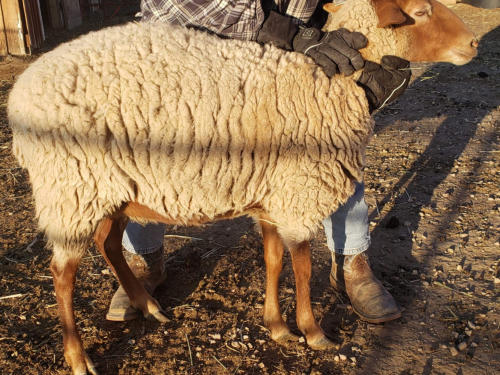
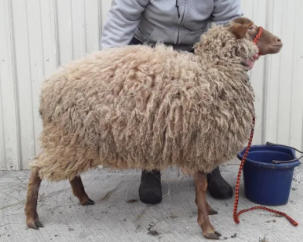
These are examples of good registration photos accompanied by suggestions to make
sure you submit satisfactory photos when completing applications.
REGISTRATION PHOTO TIPS

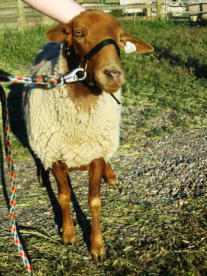
FRONT
Front view:
The front view should include the
entire animal from head to toes.
Watch that shadows do not fall over
the front of the animals. There
should be enough light and contrast
for the registrar to see that there are
no spots. Avoid taking photos in high
pastures that block the feet. The
registrar loves photos like this that
identify the animals because the ear
tag is zoom-able.
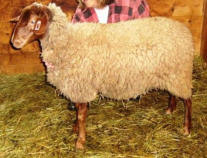
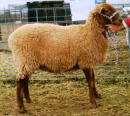
LEFT
Left side:
Again, registrar needs to see the
entire animal including heads and
toes and, as much as possible four
legs. Taking photos in barns is
challenging and most barns do not
have adequate light to take good
registration photos. The head should
be forward or facing the camera, not
turn back away from the camera.
The registrar is looking for wool
placement, clean legs and head, any
disqualifying spots, including
placement of any poll spots.
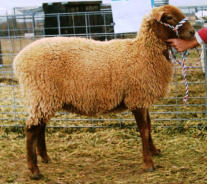
RIGHT
Right side:
Basically the same advice applies as
the left side comments. One thing
we have not mentioned is human
hand placement, handlers should try
to keep hands from blocking
portions of the animal that are being
examined. The registrar realizes that
not all candidates are halter broken
and keeping hands out of the way
can be difficult, if you need to submit
two pictures to get all of the animal
in that will be okay.
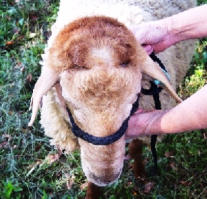
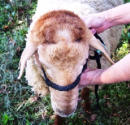
HEAD
Top of Head:
The registrar needs to be able to see
the hornline and the poll spot
placement.
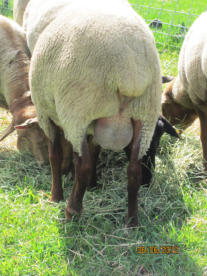
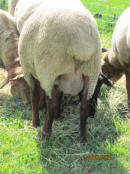
REAR
Rear view:
Group shots are okay as long as it is
obvious which animal is the subject
of the photo. Otherwise, photos
should be cropped so there is no
doubt as to which animal is the
candidate. Rear shots should include
the hips and down to the toes. Angle
is very important when
photographing ram candidates, the
registrar needs to be able to see the
scrotal area and evaluate the size
and shape.

Copyright The California Red Sheep Registry, Inc. and/or circleofdreamers.com.
Registration
Photo
Tips
These are examples of good registration photos
accompanied by suggestions to make sure you
submit satisfactory photos when completing
applications.
REGISTRATION PHOTO TIPS

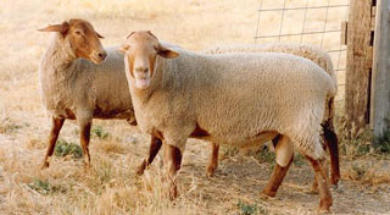
FRONT
Front view:
The front view should
include the entire
animal from head to
toes. Watch that
shadows do not fall
over the front of the
animals. There should
be enough light and
contrast for the
registrar to see that
there are no spots.
Avoid taking photos in
high pastures that
block the feet. The
registrar loves photos
like this that identify
the animals because
the ear tag is zoom-
able.
LEFT
Left side:
Again, registrar needs
to see the entire
animal including heads
and toes and, as much
as possible four legs.
Taking photos in barns
is challenging and
most barns do not
have adequate light to
take good registration
photos. The head
should be forward or
facing the camera, not
turn back away from
the camera. The
registrar is looking for
wool placement, clean
legs and head, any
disqualifying spots,
including placement of
any poll spots.
RIGHT
Right side:
Basically the same
advice applies as the
left side comments.
One thing we have not
mentioned is human
hand placement,
handlers should try to
keep hands from
blocking portions of
the animal that are
being examined. The
registrar realizes that
not all candidates are
halter broken and
keeping hands out of
the way can be
difficult, if you need to
submit two pictures to
get all of the animal in
that will be okay.
HEAD
Top of Head:
The registrar needs to
be able to see the
hornline and the poll
spot placement.
REAR
Rear view:
Group shots are okay
as long as it is obvious
which animal is the
subject of the photo.
Otherwise, photos
should be cropped so
there is no doubt as to
which animal is the
candidate. Rear shots
should include the hips
and down to the toes.
Angle is very important
when photographing
ram candidates, the
registrar needs to be
able to see the scrotal
area and evaluate the
size and shape.


CR Ram List
Ram List by registration number. This list includes name, flock number, date of birth, sire, dam, owner, breeder and birth type..


Registry
Lists
Rebuilding Rams
The Lineage Registry Ram List shows each ram (Tunis, Barbados Blackbelly and percentage crossbreds) used in the California Red Sheep Rebuilding Project.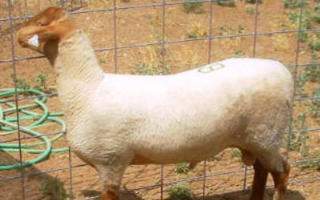
Pedigrees
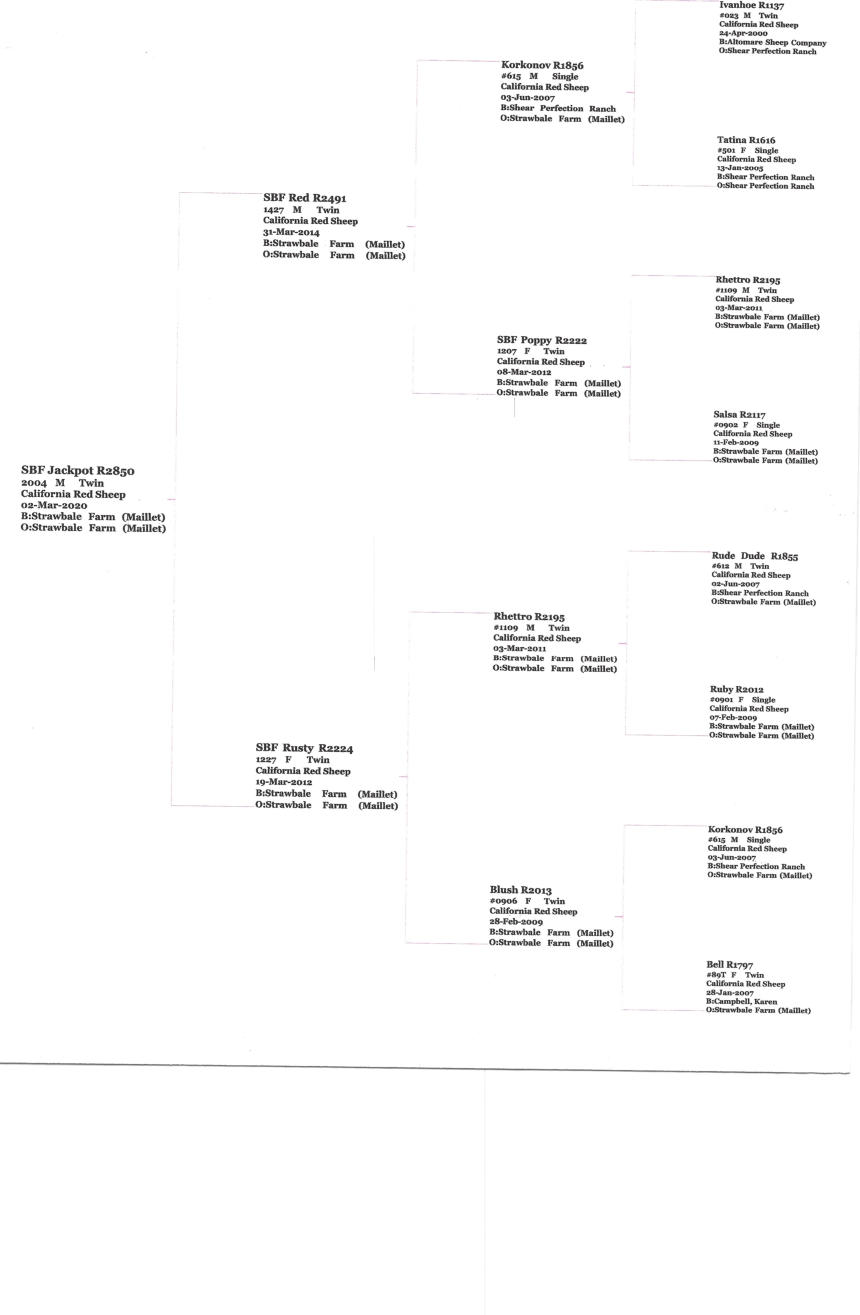
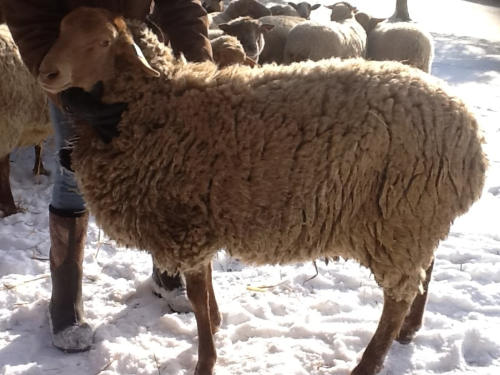
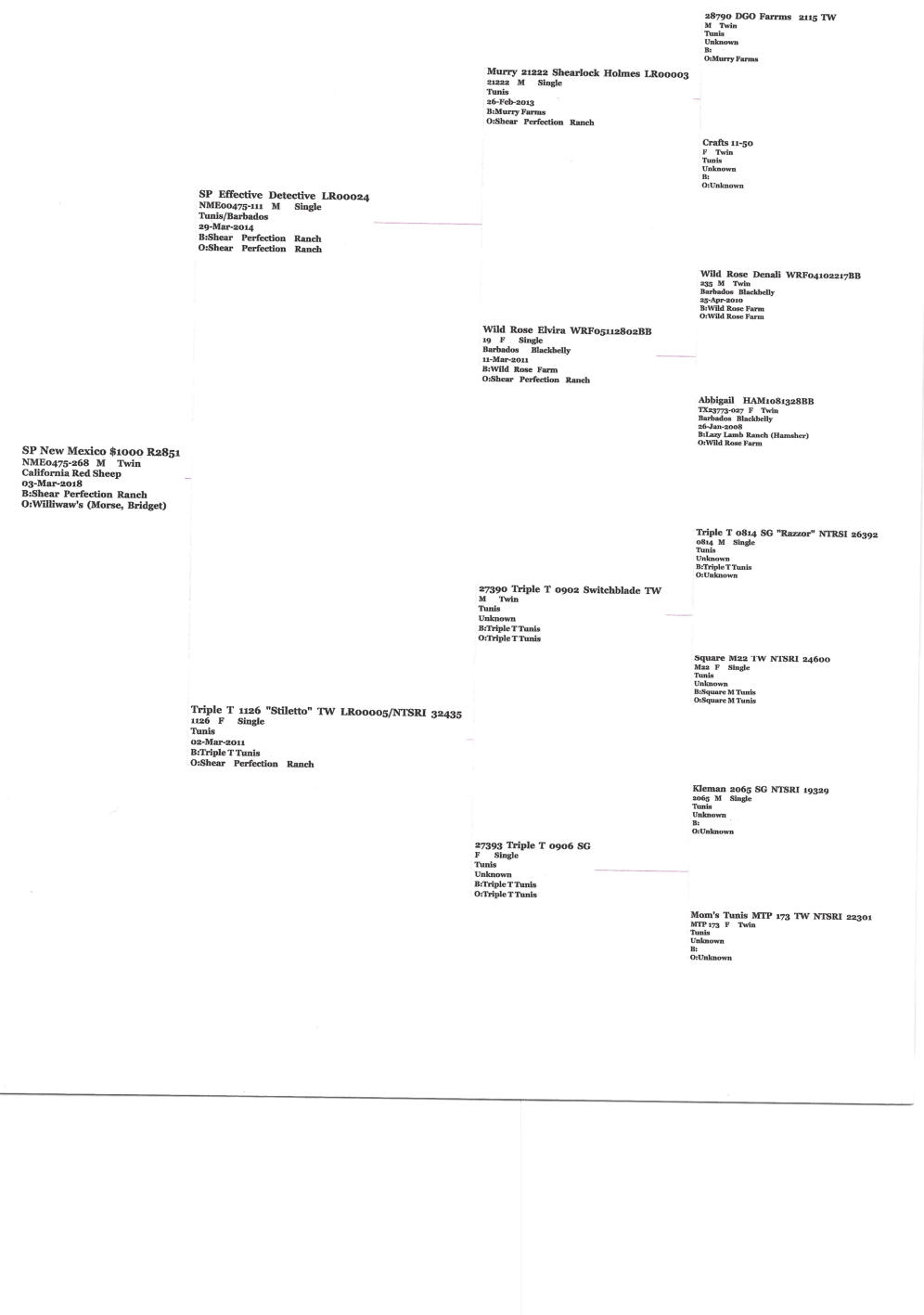
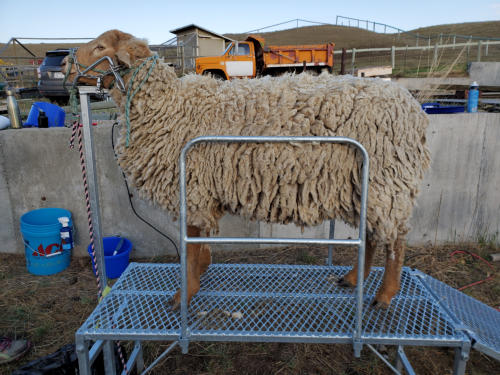
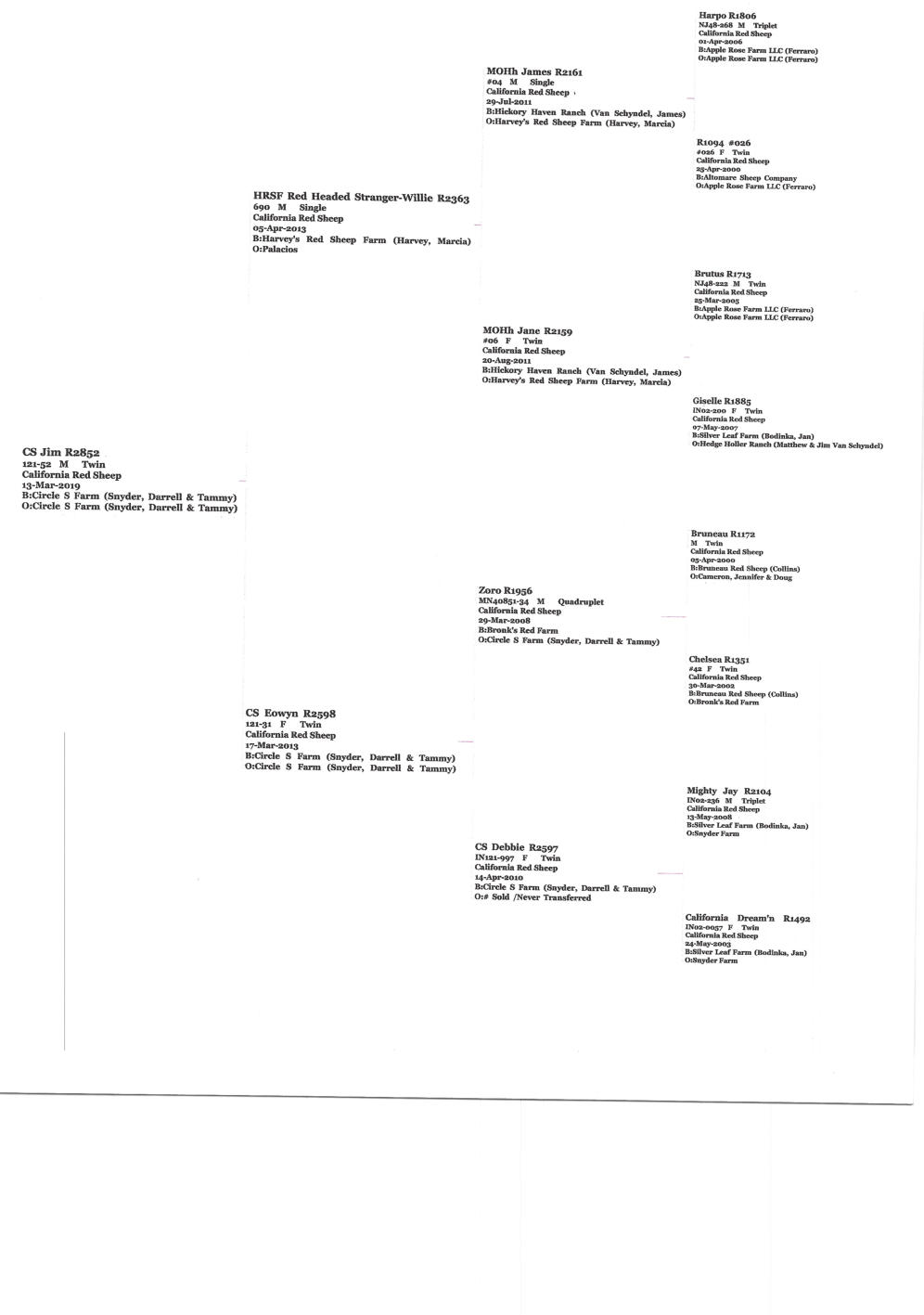
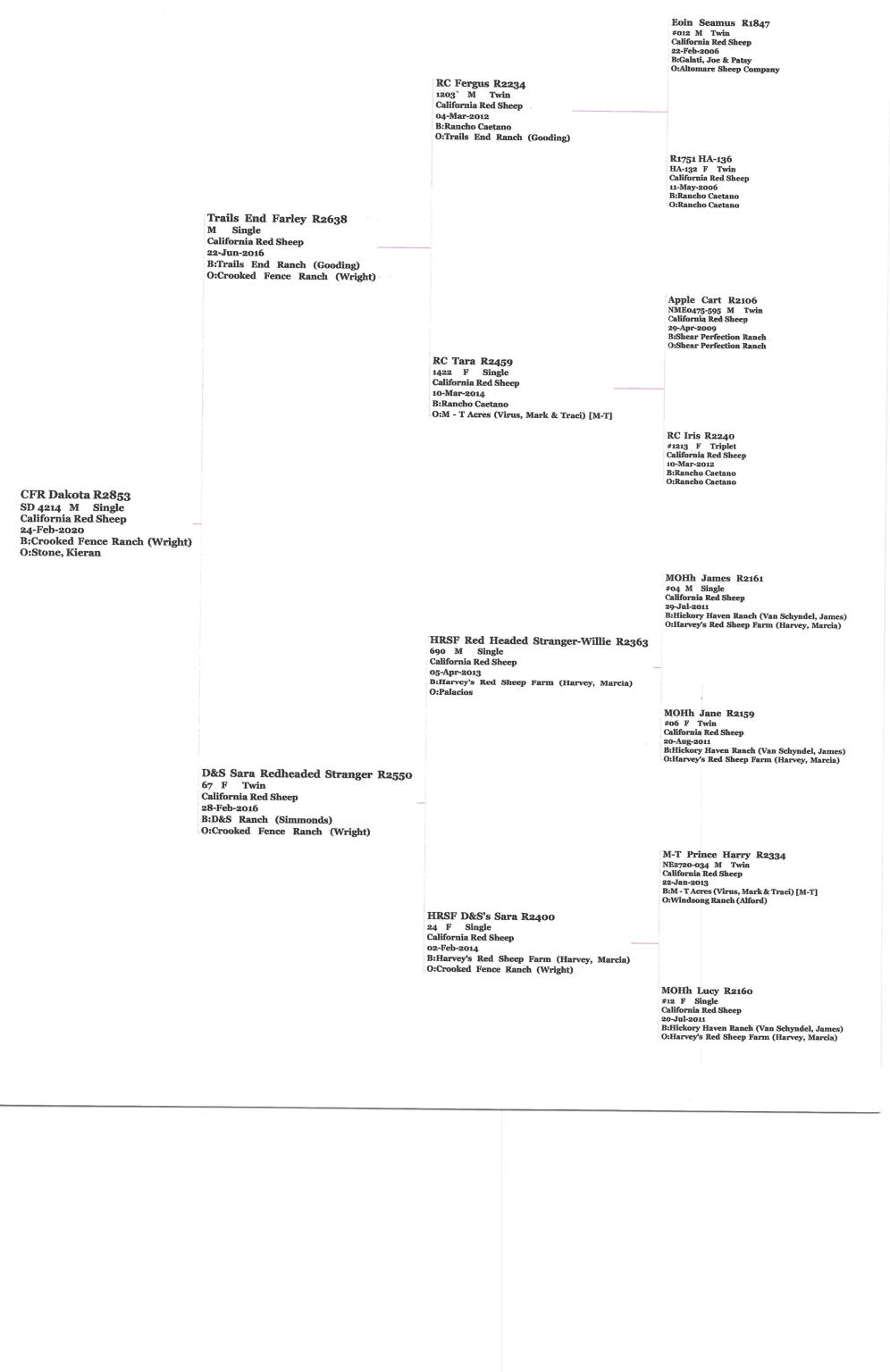
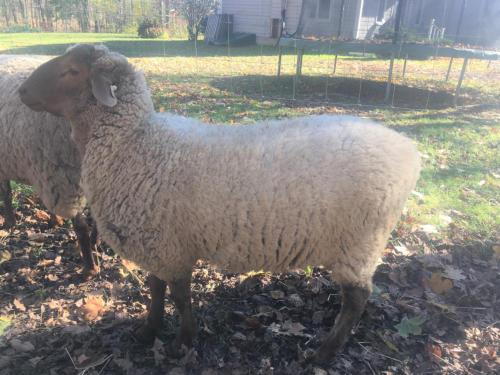
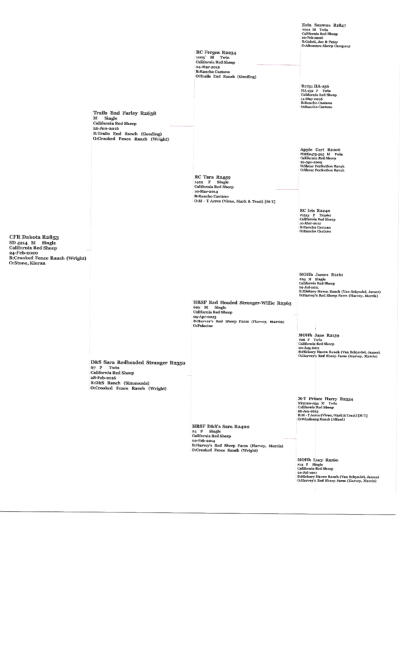
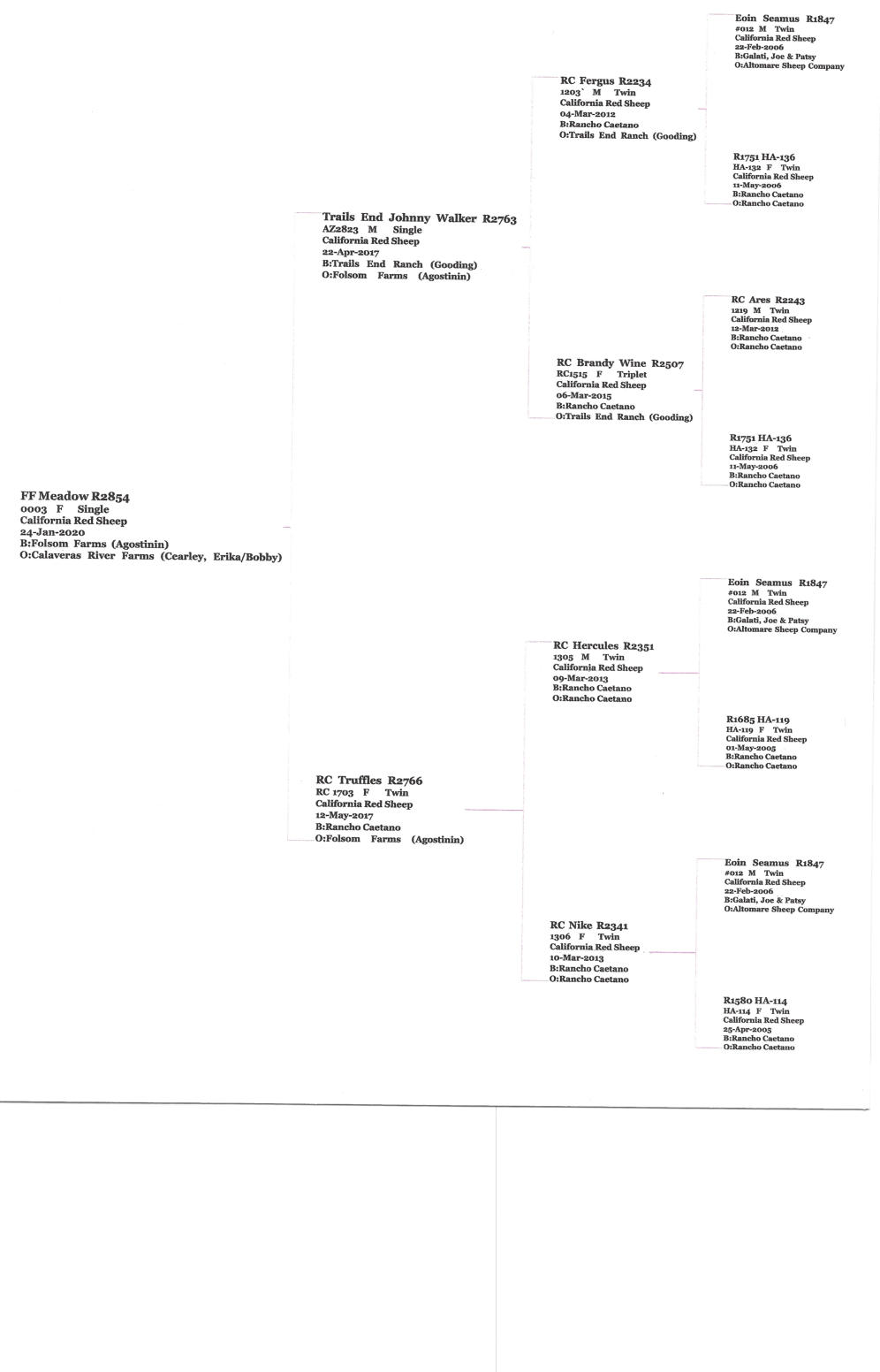
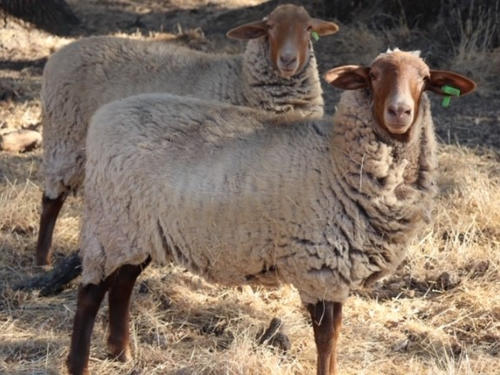
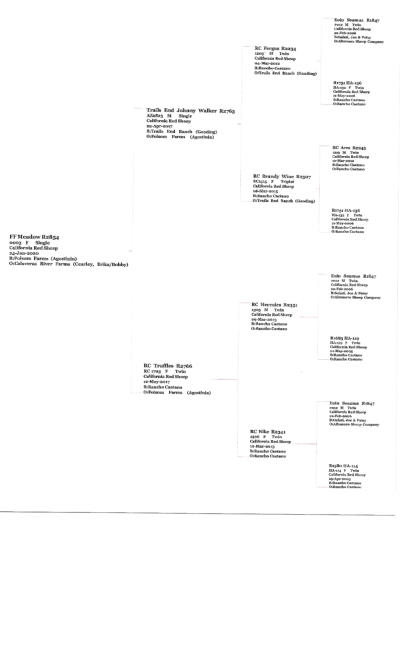
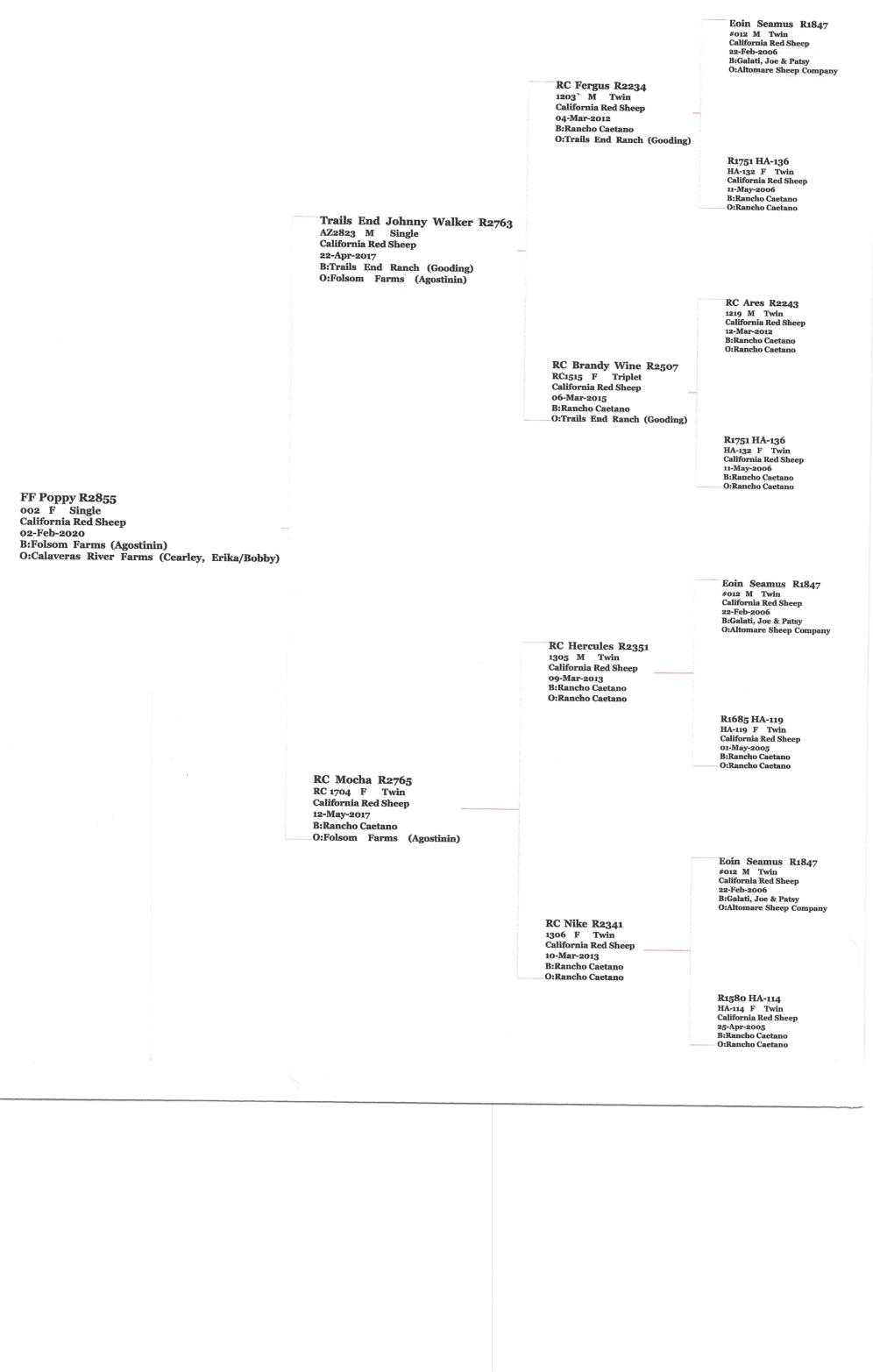
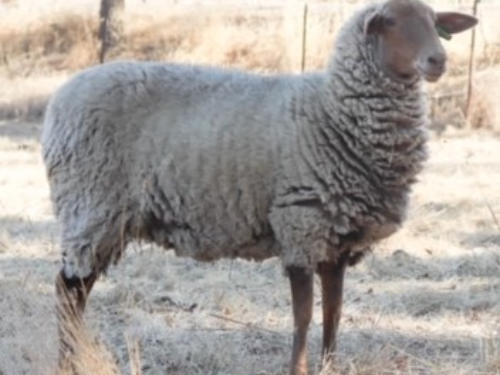
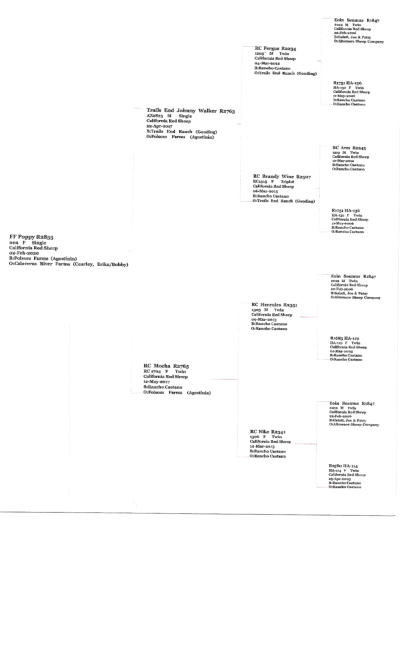
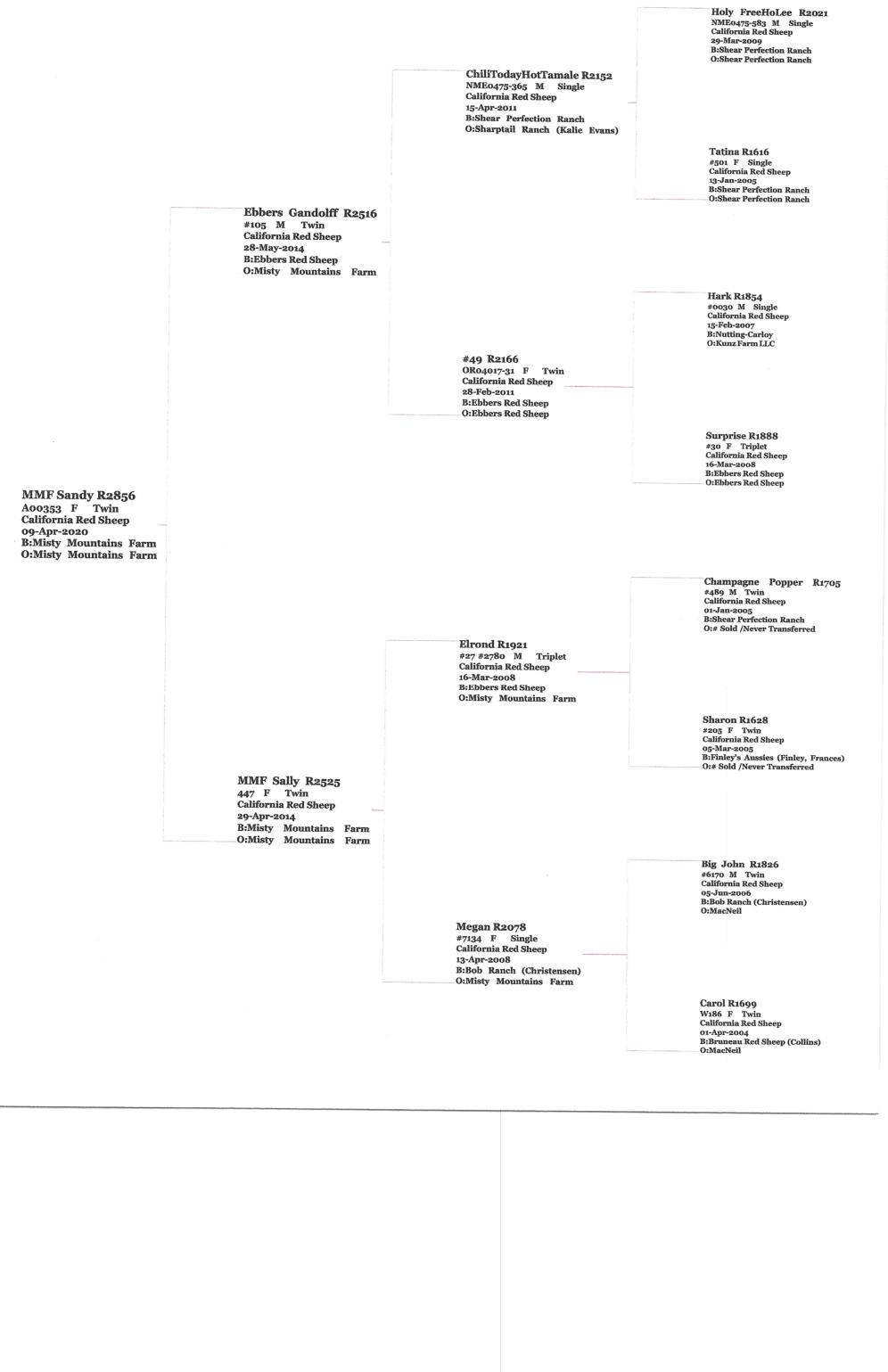
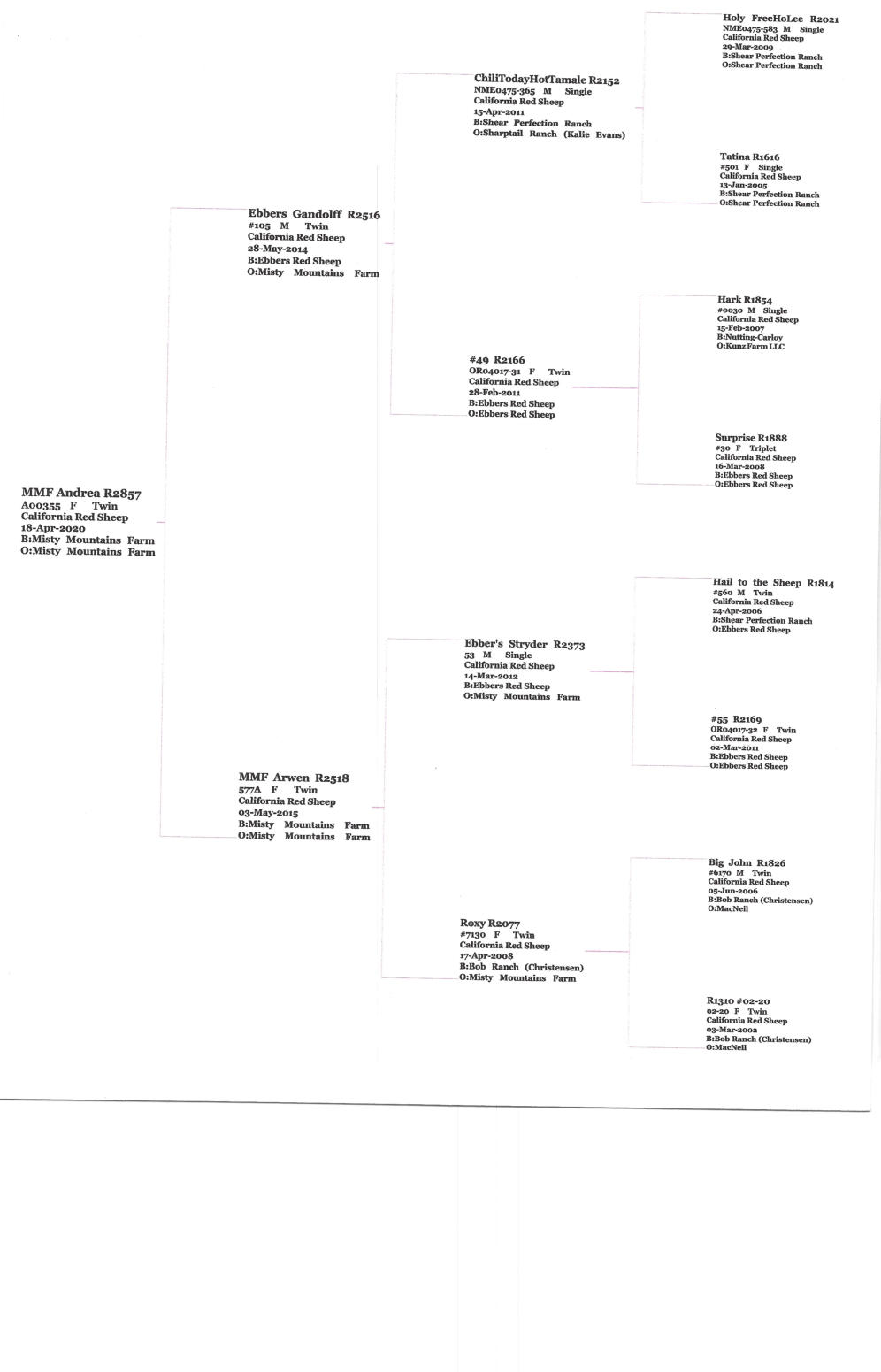
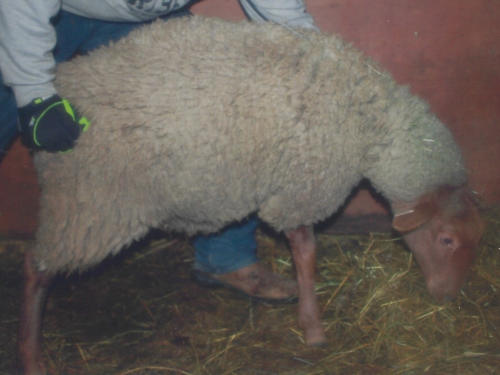
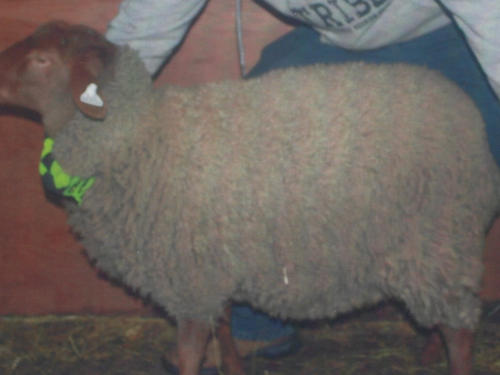
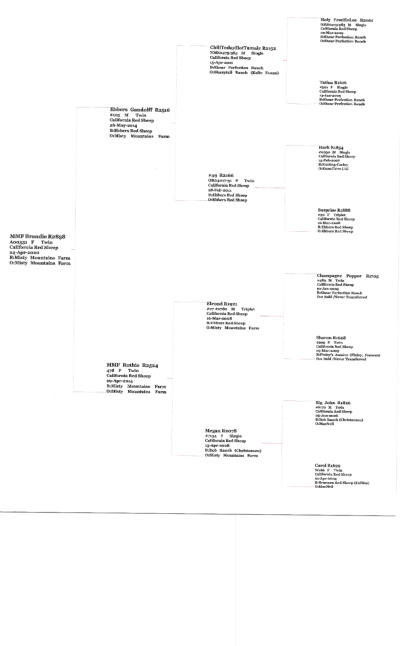
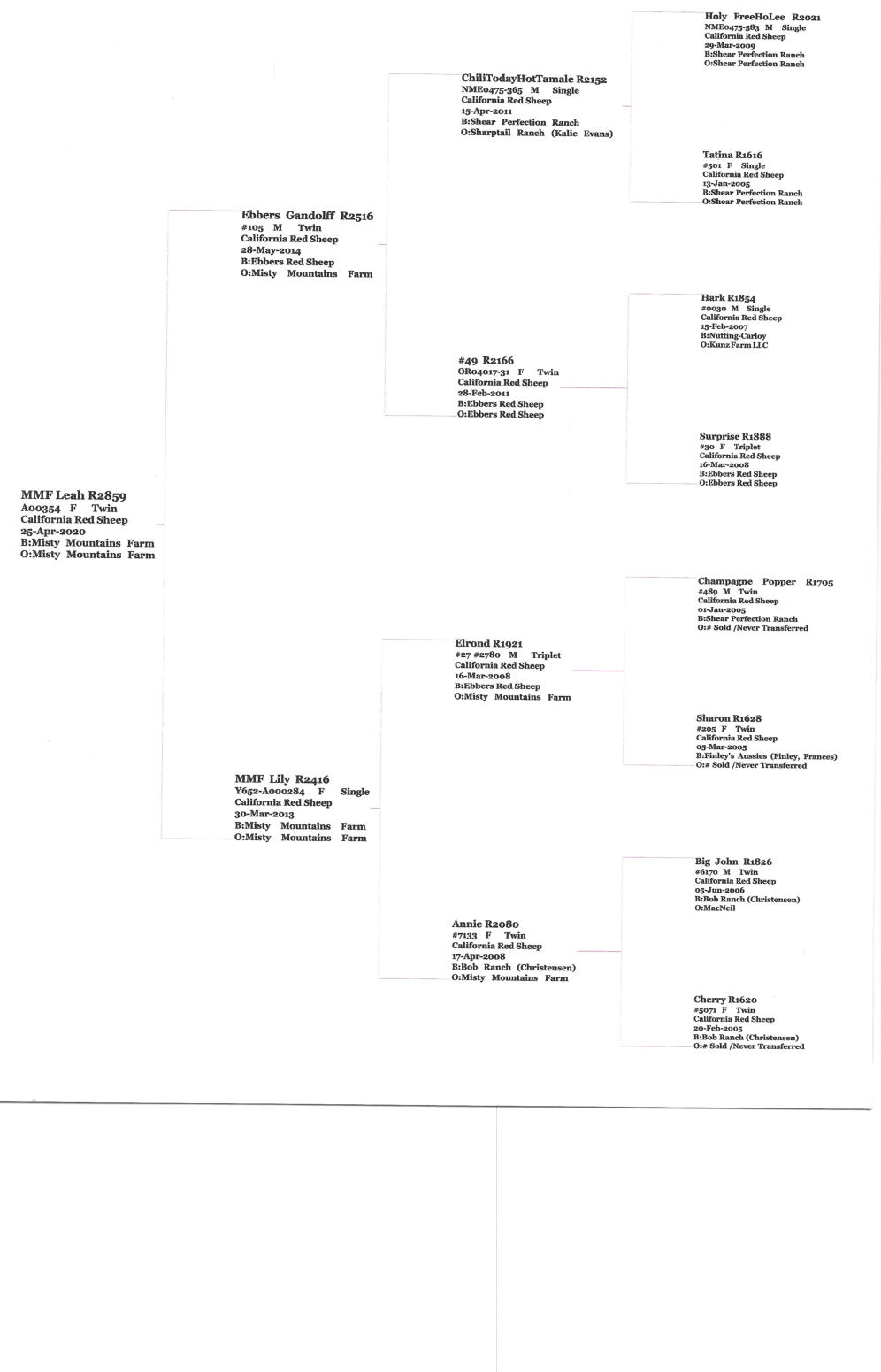
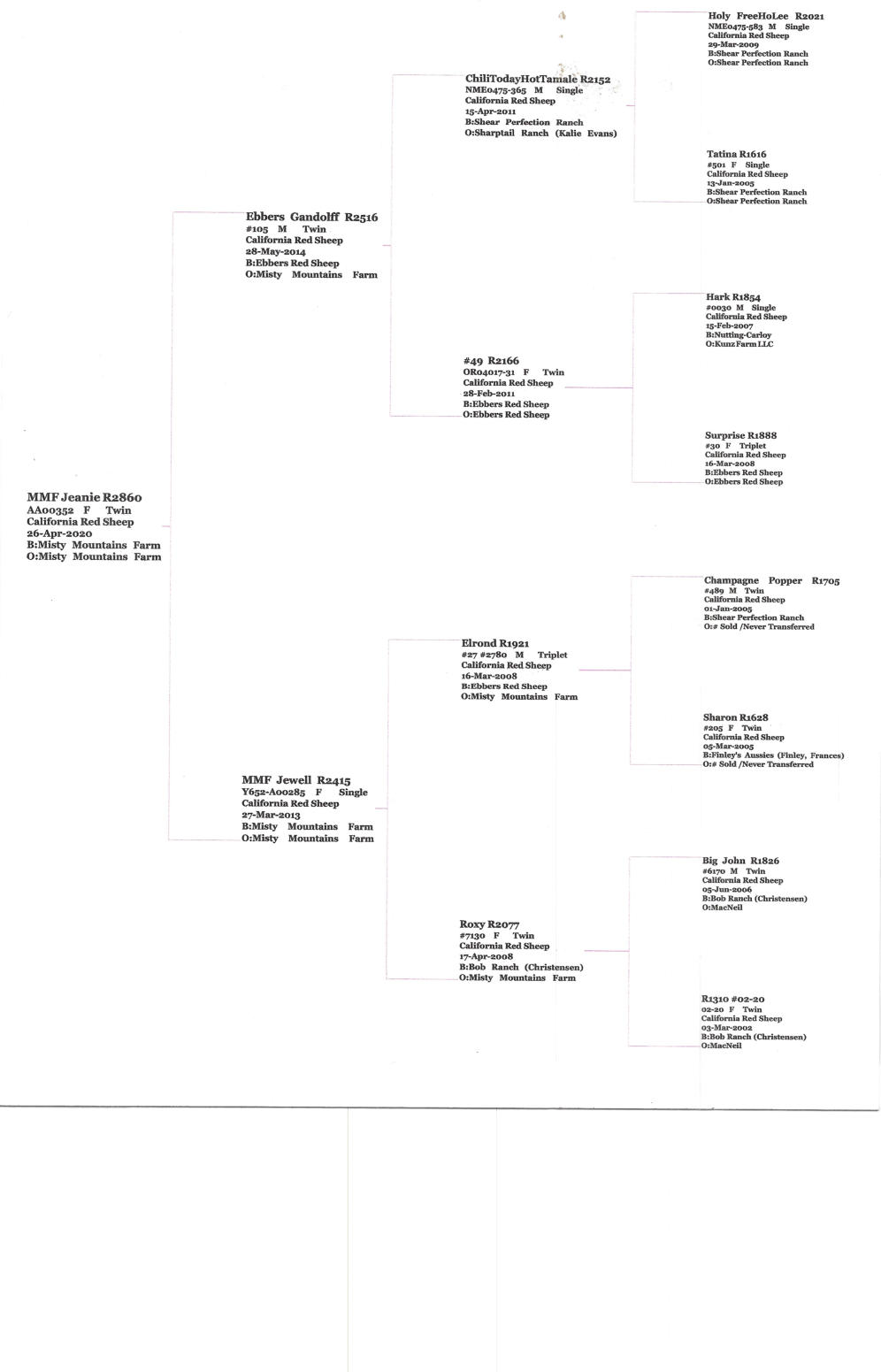
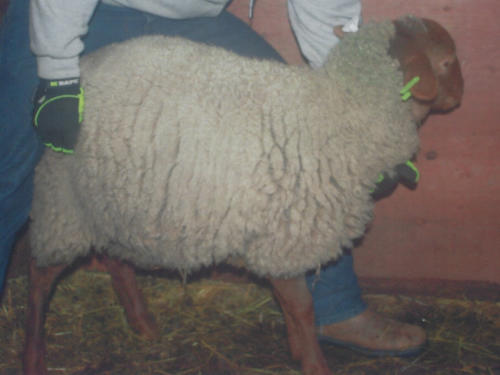
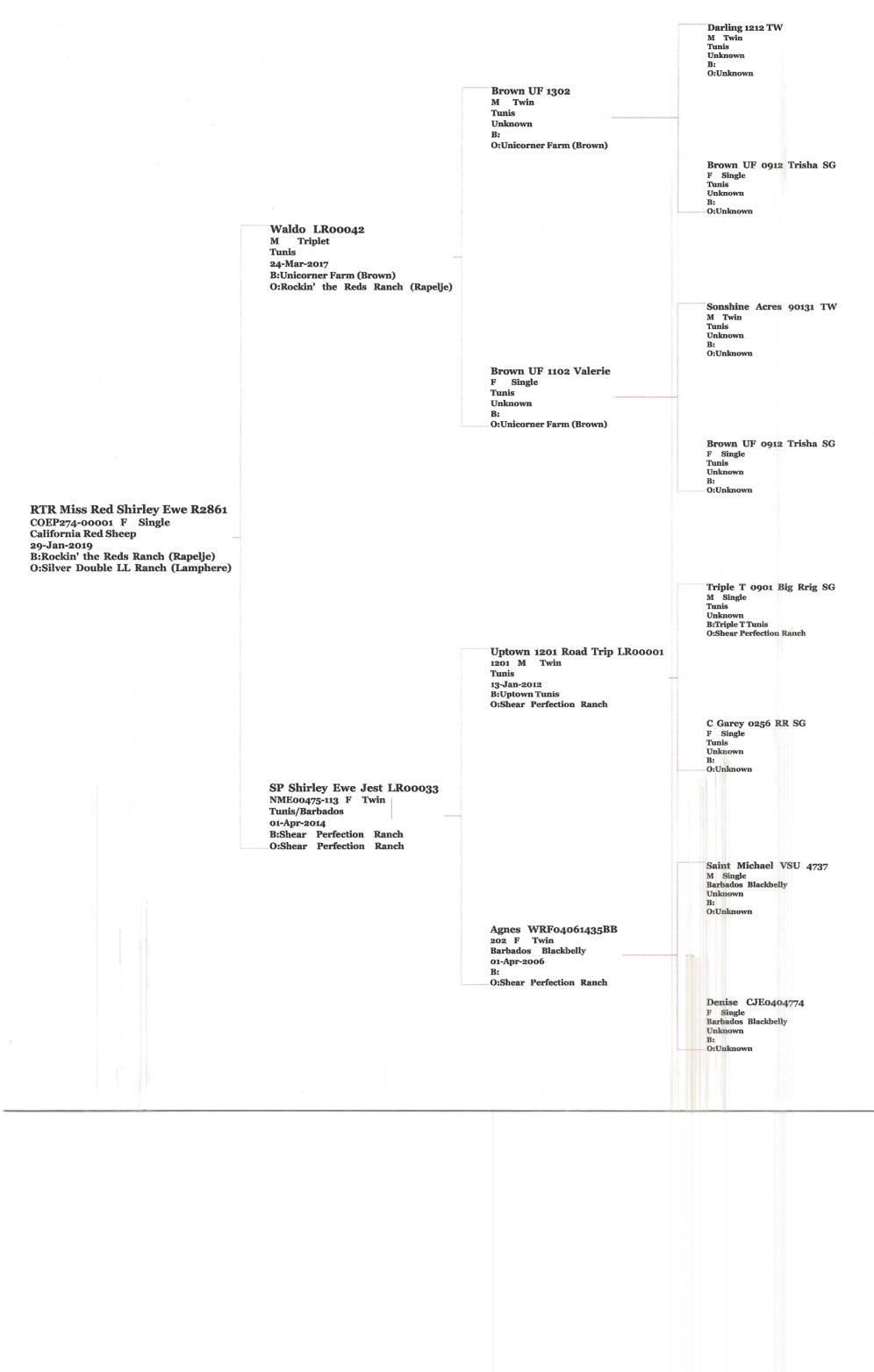
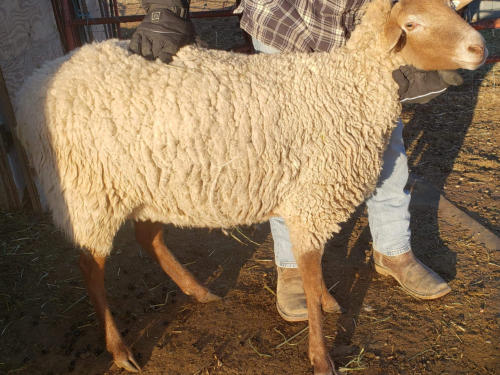
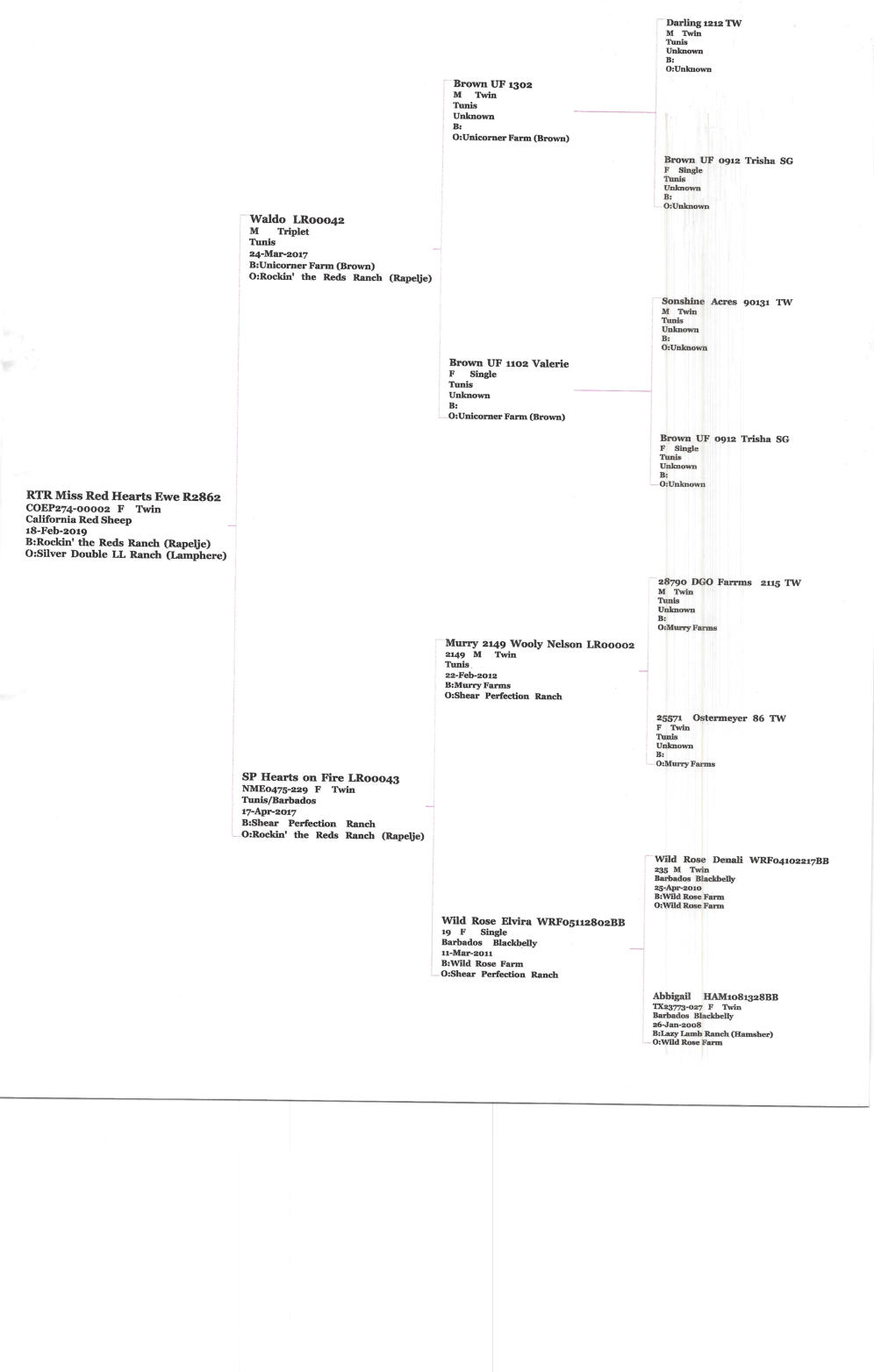
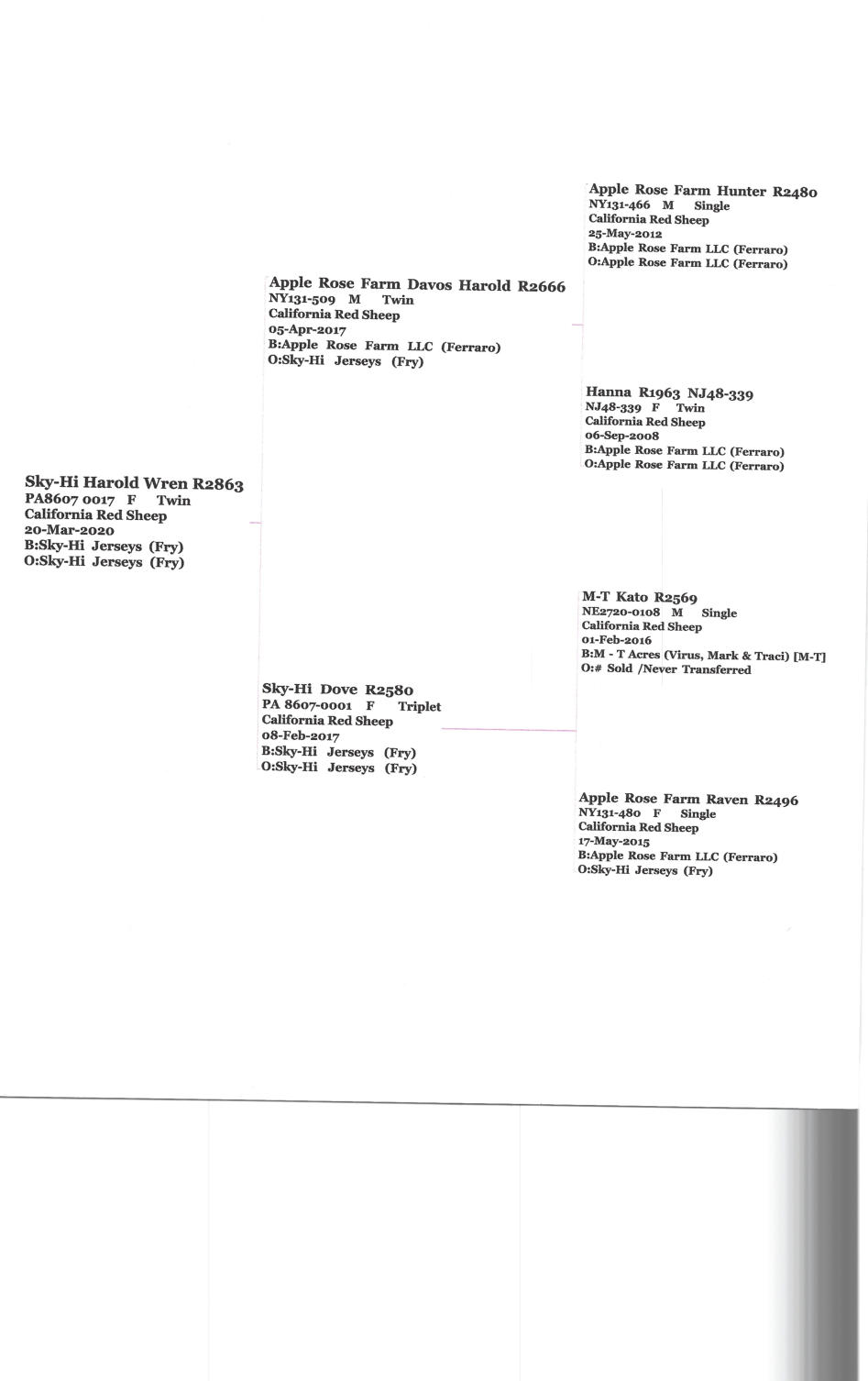
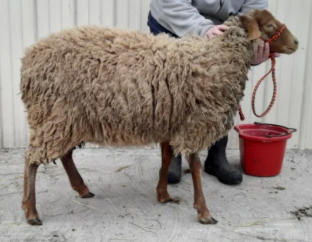
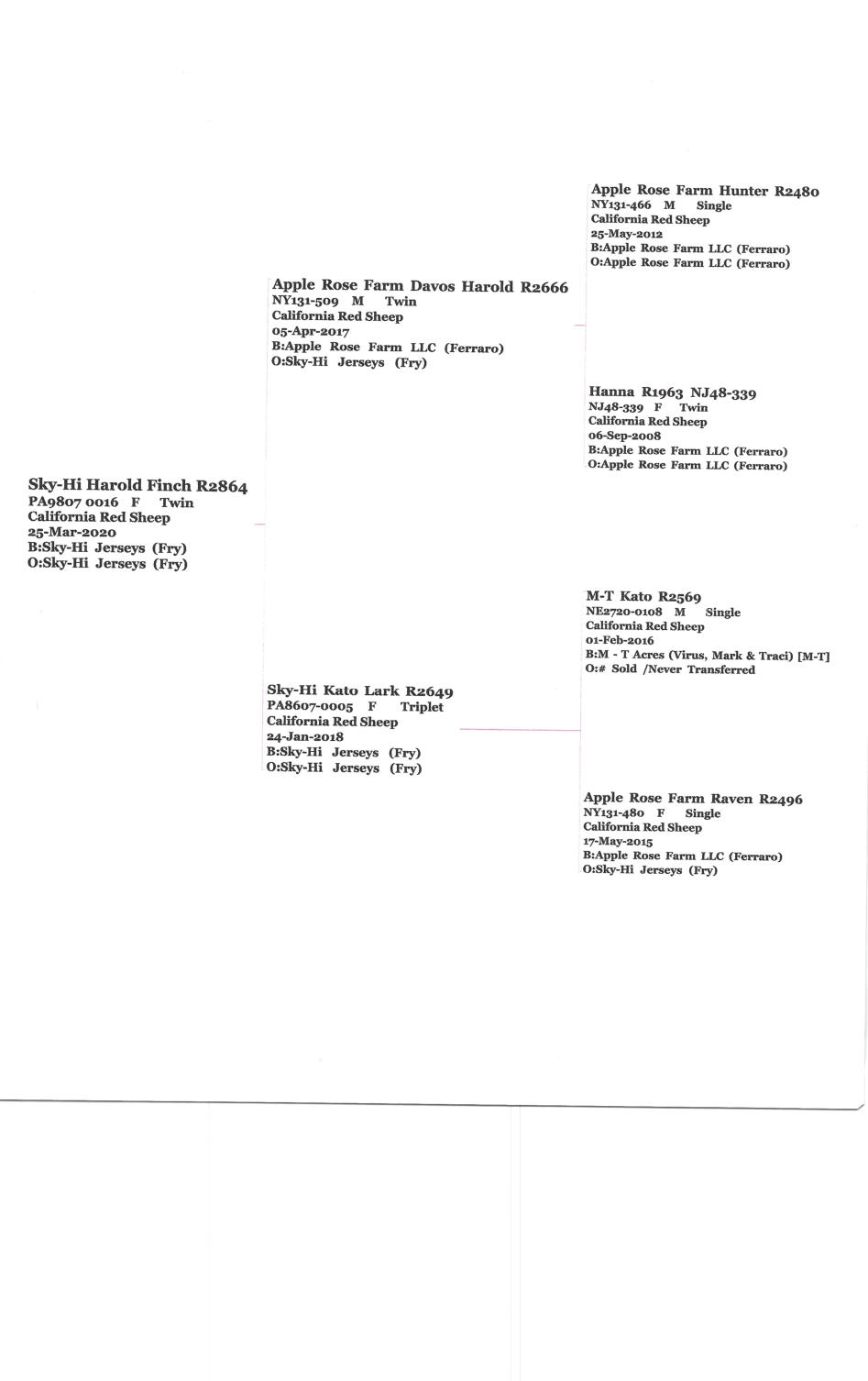
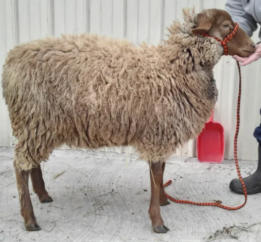
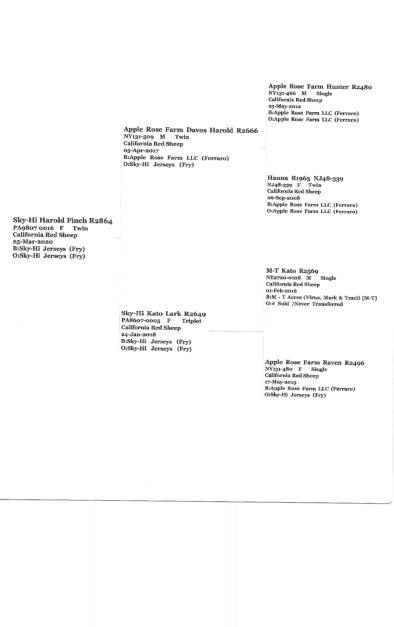
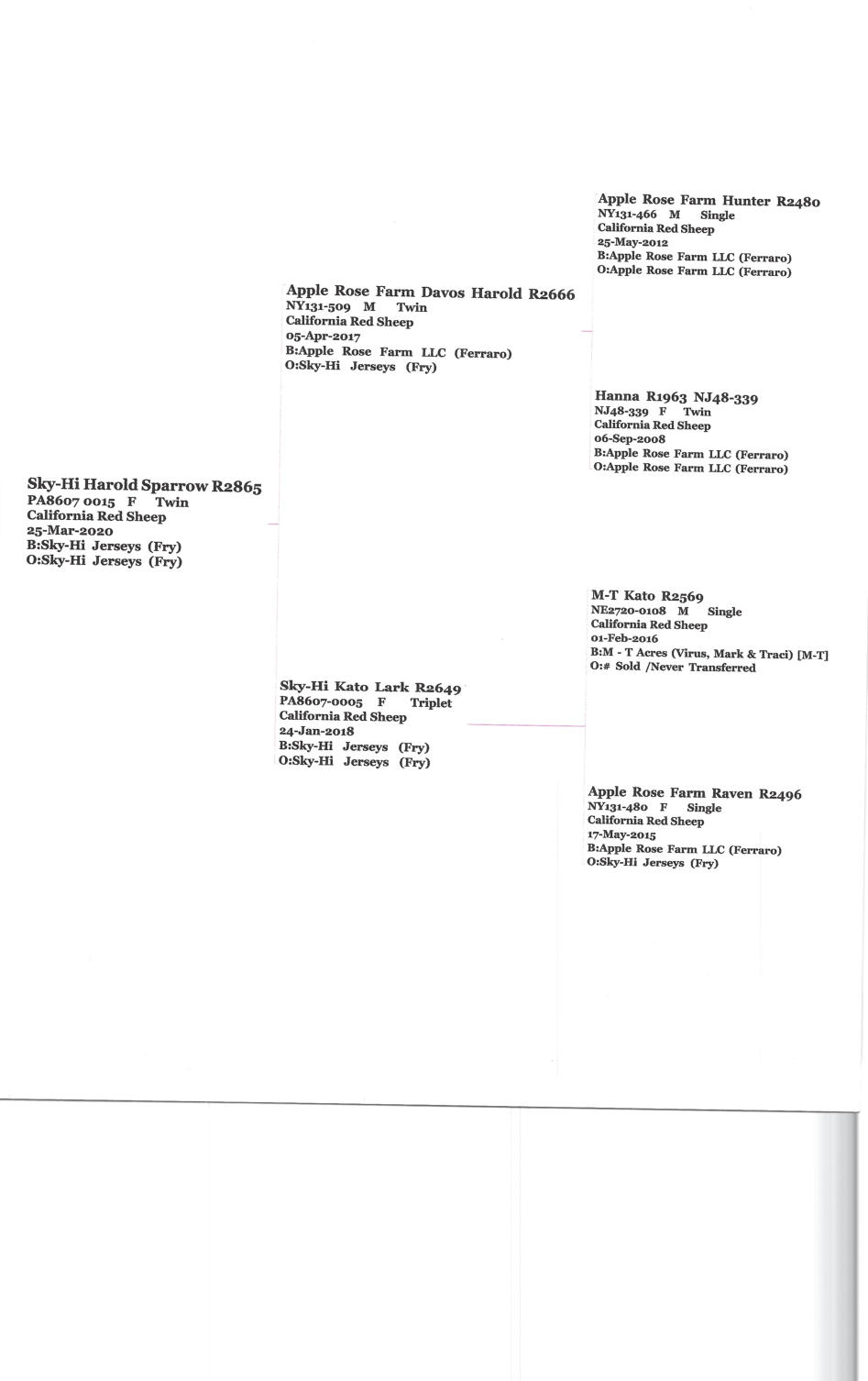
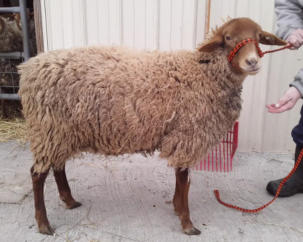
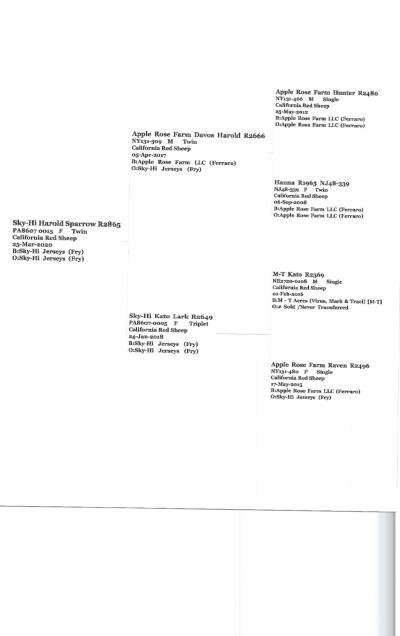
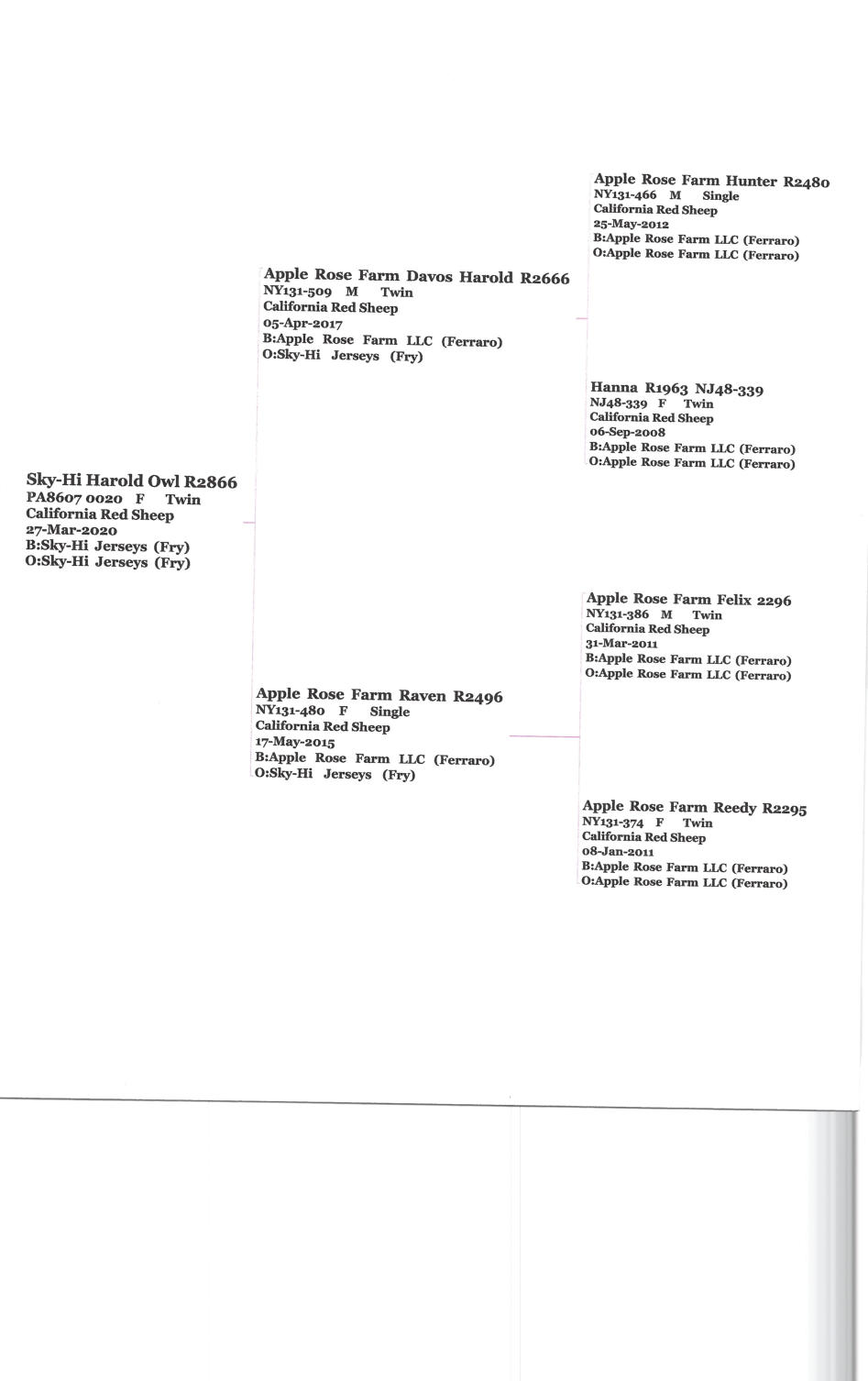
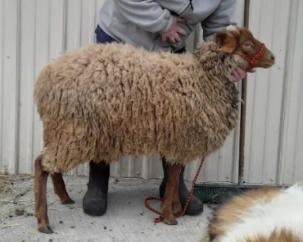
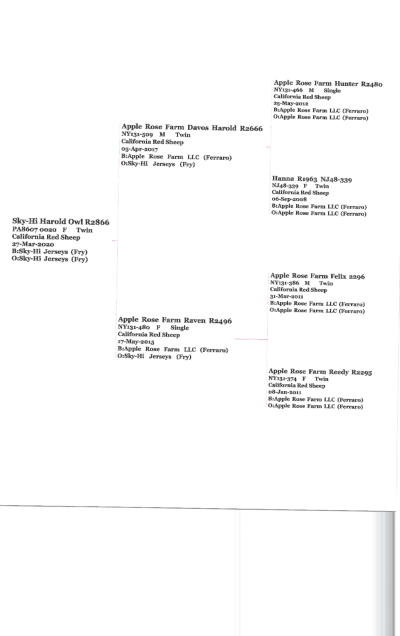
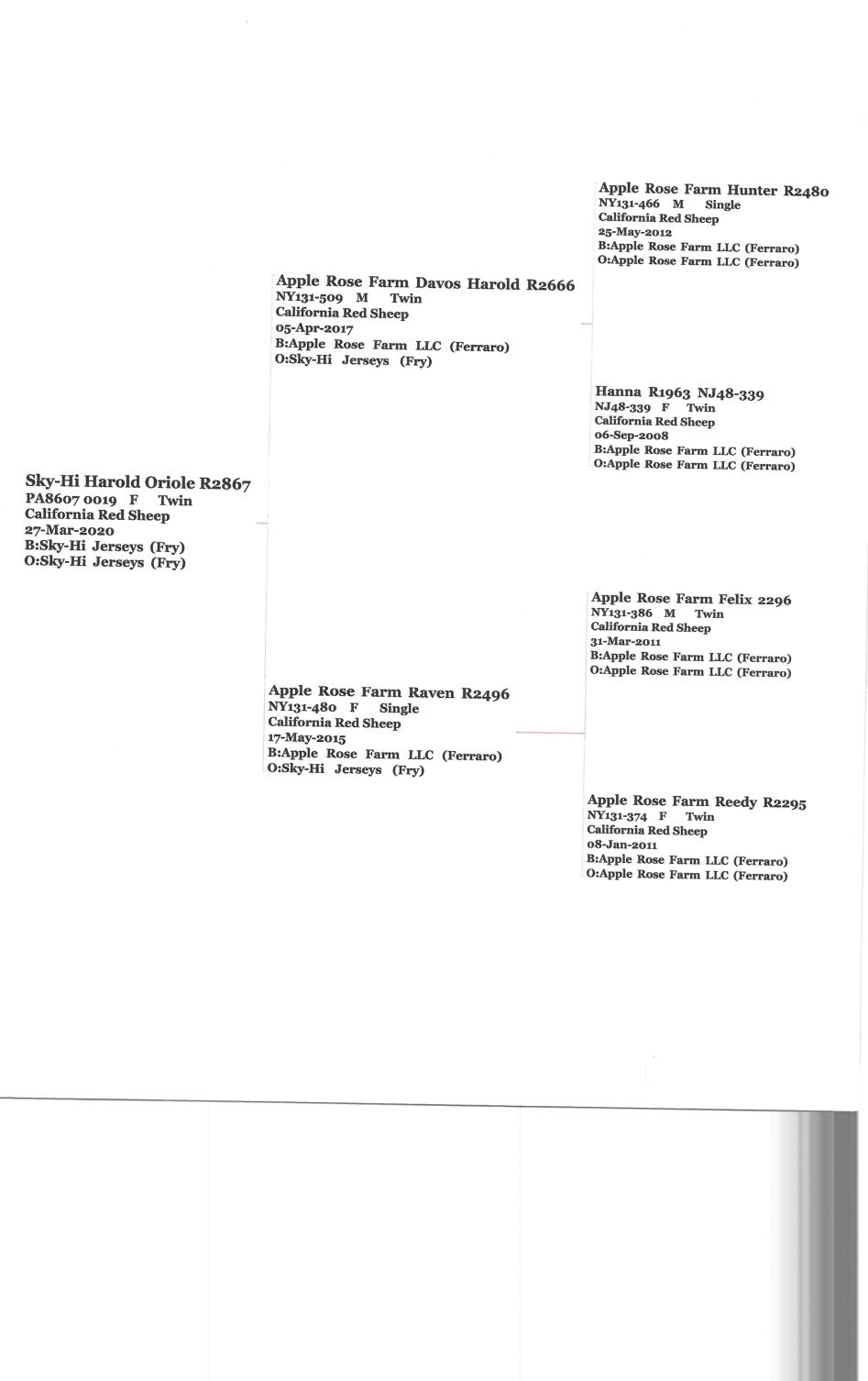
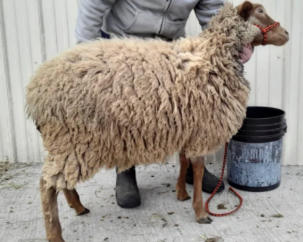
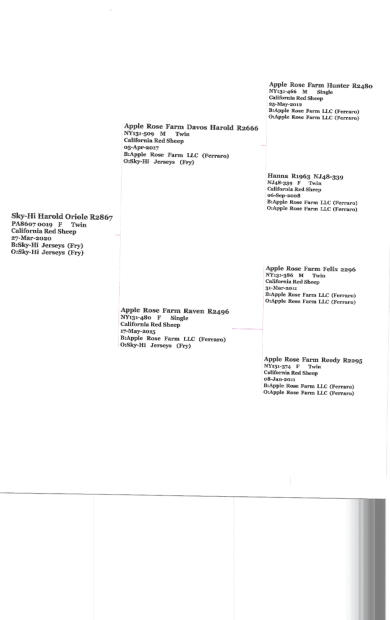
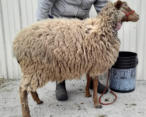
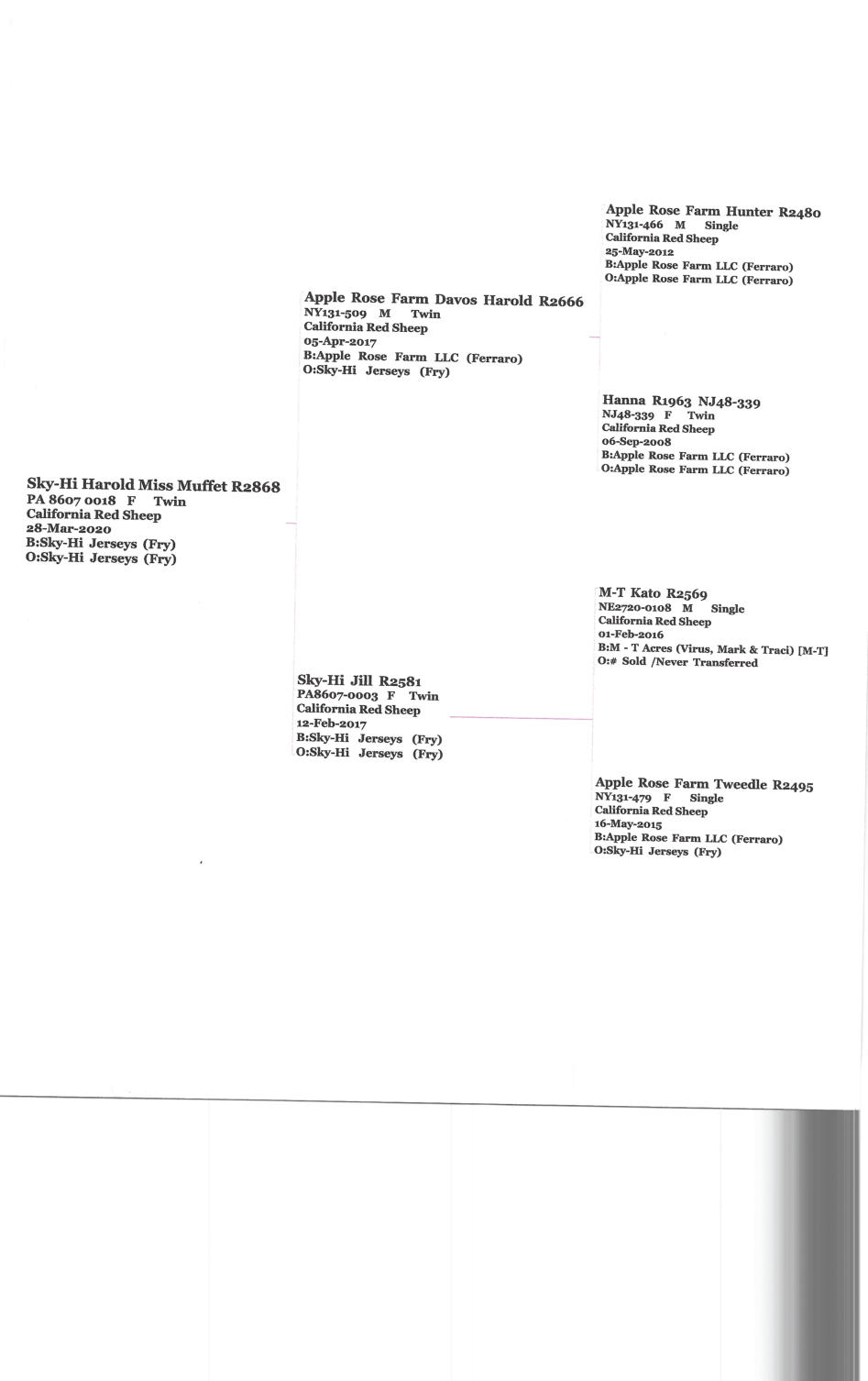
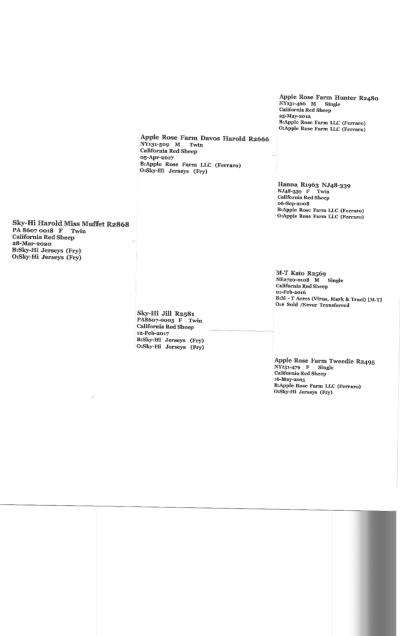
This section provides a pedigree and photo (when available) of each registered ram and ewe in the Registry.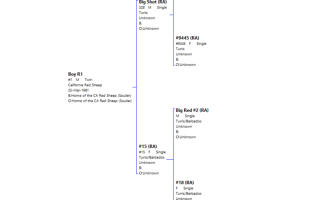
Rebuilding Ewes
The Lineage Registry Ewe List shows each ewe (Tunis, Barbados Blackbelly and percentage crossbreds) used in the California Red Sheep Rebuilding Project..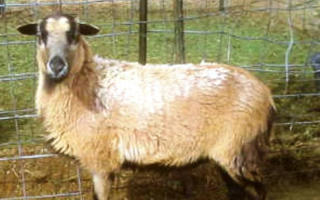






Copyright The California Red Sheep Registry, Inc. and/or circleofdreamers.com.
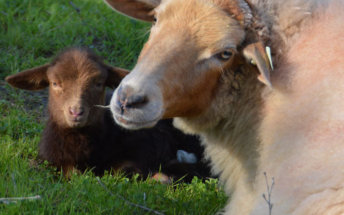

Registry
Lists
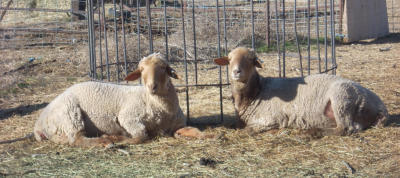
CR Ewe List
Ewe List by registration number. This list includes name, flock number, date of birth, sire, dam, owner, breeder and birth type.

CR Ram List
Ram List by registration number. This list includes name, flock number, date of birth, sire, dam, owner, breeder and birth type..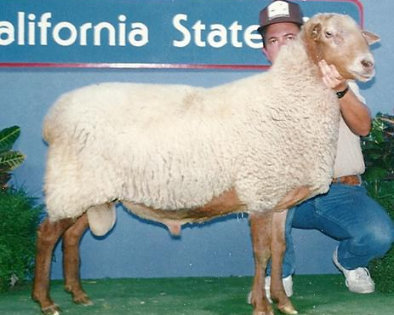

Certificate of Origin
For a 2 yr period, the registry allowed use of ewes that did not meet registration requirements but had outstanding qualities which the registry wanted to preserve. No rams were allowed .

Pedigrees
This section provides a pedigree and photo (when available) of each registered ram and ewe in the Registry.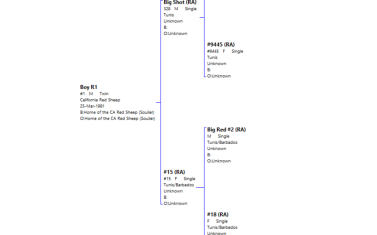

Rebuilding Rams
The Lineage Registry Ram List shows each ram (Tunis, Barbados Blackbelly and percentage crossbreds) used in the California Red Sheep Rebuilding Project.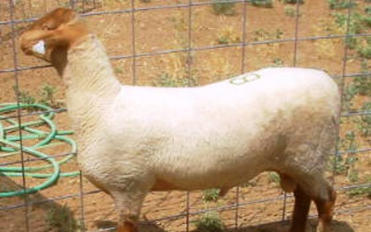

Rebuilding Ewes
The Lineage Registry Ewe List shows each ewe (Tunis, Barbados Blackbelly and percentage crossbreds) used in the California Red Sheep Rebuilding Project..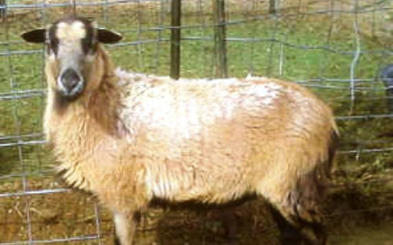

Copyright The California Red Sheep Registry, Inc. and/or circleofdreamers.com.
Reg #
Name
Reg #
Name
1
Boy
2
[#28]
3
[#21]
4
Old Lady
5
[#26]
6
#161
7
#152
8
#110
9
Ara
10
[#26A]
11
Silkie
12
Maude
13
#158
14
#156
15
Romeo
16
Eileen
17
#32
18
Bo-D
19
Fifi
21
Poppy
22
4YT
23
Beauty
25
Garnet
26
Kim
28
#147
30
Don Juan
31
#134
32
Red
33
Tiffany
34
Soulie
35
L'Aiglon
36
Yvonne
37
Bridget
38
Maggie
39
Iris
40
Champ
41
Ginger
42
Shakey
43
Dodie
44
Rosary
45
Doris
46
Forty Six
47
Pinkie
48
Ophelia
49
#188
50
Aida
51
#178
52
#181
53
#189
55
#192
56
#164
57
#171
58
Gladys
59
Dyke
60
#175
61
Pretty
62
Sabrina
63
Sophie
Reg #
Name
64
Michele
65
Helen
66
#24
67
#191
68
Sherri's Becky
69
Lincolnway #8723
70
Melanie
71
Chloie
72
Mary
73
Juanita
74
Sophie (R74)
75
Booger
76
Canterbury
77
Dolly
78
Nellie
79
Valerie
80
Fancy
81
Ramses III
82
Penelope
83
Ariel
84
R84 #204
85
R85 #208
86
Millicent
87
Hannah
88
R88 #203
89
Sammy
90
R90 #9
91
Rosie
92
R92 #4GT
93
Rambo
94
Senor Rameses
95
Jazzmin
96
Sherri's Kay
97
R97 #41
98
Ethel
99
R99 #210
100
Rose
101
Curly
102
Stella
103
Sal
104
Reggie
105
Evander
106
Alice
107
Rufus
108
Nora
109
Rima
110
Sarah
111
Sugar Plum
112
Elsie
126
Rusty
127
Anastasia
128
Lady
129
Cooper
130
R130 #43
131
Torn Ear
132
R132 #16
133
Wing Ears
134
R134 #18
135
Little Babe
Reg #
Name
136
Chelsea
137
R137 #10
138
R138 #9
139
Spice
140
Cinnamon
151
Shary Selter
152
Buddy
153
Lincolnway 8754
154
Lincolnway 8736
155
Lincolnway 8738
156
Olivia
157
R157 #911
158
Hope
159
Tinkerbell
160
Deanna
161
Pauline
162
Kitty
163
Sweetie
164
Bonita
165
Nancy
166
R166 #908
167
Dude
168
Honey
169
Delilah
170
Tigger
171
Hulk
172
Brenda
173
Hiawatha
174
Elizabeth
175
Meryl
176
Carmen
177
Karen
178
Ocie
179
Michele
180
Sarah
181
Cutie
182
Veronica
183
Flossie
184
Lizzie
185
Kate
186
R186 #21
187
Clove
189
Nutmeg
190
Holly
192
Sherri's Honey
193
Sugar
194
R194 #222
195
Lucy
196
Sheila
197
Candy
198
R198 #226
201
Drew
203
Bo-Peep
204
Sweet Pea
205
Daphne
206
Strawberry
207
Ginger
208
Buffie
209
Pricilla
1Reg #
Name
210
R210 #76YT
213
R213 #81YT
214
Beulah
215
Wynonna
216
R216 #79YT
217
Rhett
218
Atara
219
R219 #82
230
R230 #78
231
Sannarie
234
Rhonda
235
Slight Chance
236
Sweet Alyssum
237
Val
238
Solie
239
Victoria
240
Ginger
241
Tracy
243
Dos Equis
245
Poopsie
246
Carol
247
Claire
248
Rose
249
Violet
250
May-B
251
Heather
253
Georgia
254
Phina
256
Isabel
257
Ella
259
Aphrodite
260
Sylvia
261
Jill
263
Josie
264
Donnah
265
M'Lady
267
Mo
268
R268 #004
269
Sequoia
270
Mimi
271
Fancy
273
Simon II
274
Simone
275
Red Head
276
Red Sonja
278
Sir Lorbanie
279
Gomez
280
Louise
283
Emma
284
Samantha
285
Joan
287
Sally
289
Maria
290
Margaret
291
Daisy
293
Annie
294
Pete
295
Red Cloud
296
Marigold
297
Gloria
298
Delyte
301
Montana
302
Rosarita
304
Betty
305
Sharon
306
Shirley
307
Elaine
308
Duke
309
R309 #228
310
Sweetie Pie
312
My Sugar
314
Evie
315
Pawnee
316
R316 #121
317
Lady Godiva
318
Shawnee
319
R319 #165
320
Meribel
321
Tuddi
324
R324 #104
325
Tracy
326
Sioux
327
Rose
328
Paulette
329
Amelia
340
Hopi
341
Sierra
342
C-Zar
345
Fawn
346
Penny
347
Little Ruby
348
Buckthorn
349
R349 #9923
350
R350 #9926
351
R351 #77
352
Roja
353
Lady Azzarah
354
Peggy
356
Amy
357
Larry
358
Mike
359
TC
360
Just Ask Alice
(JAA)
361
Rachel
364
Carol
365
Rita
367
Fajita
368
Marshmellow
368B
Paulamie
369
Jonquil
370
Abby
371
Jethro
372
R372 #9918
374
Red Feather
375
Twenty Two Ewe
376
Rojo
378
Bambay
379
Cayenne






















Pedigrees will be added to this website slowly. We will add in reverse order with the most current pedigrees being added first. Eventually we will
have pedigrees all the way back to the first animals registered with the Registry.
Copyright The California Red Sheep Registry, Inc. and/or circleofdreamers.com.
Reg #
Name
380
R380 #9919
381
Harriet
382
R382 #9920
384
Shameless
385
R385 #103 YT
386
R386 #36 BT
387
June
389
Sherri's Amy
390
Amber
391
Holly
394
Sherri's Flobo
395
Grace
396
Lydia
397
Athena
398
Andromeda
399
Delilah
400
R400 #247
401
R401 #222
402
Sweetie
403
R403 #225
404
R404 #207
405
R405 #208
406
Tuesday
407
Jill
408
Polly
409
Bambay
410
Wilma
411
Marie
412
Vanessa
413
Trina
415
Lucy
416
Eve
417
Bertha
418
Myra
419
Zola
420
Agatha
421
Abby
423
Allegra
425
Amanda
426
Amber R426
427
R427 #002
428
Dede
429
Zeith
430
Sherri's Becky
431
Pansy
432
Rosemary
435
Torch
436
Amber
437
Sagebrush
438
R438 #231
439
Gypsy Rose
440
Cherokee
442
R442 #231
Reg #
Name
443
R443 #233
445
Hillary
446
Daisy
447
Hera
448
Harmonia
450
Gidget
451
Niddy Noddy
452
Sharon
453
Jan
454
Trudy
455
Beatrice
456
Bachelor
457
Rosebud
458
Double O'Seven
459
Beau
460
Lowell
461
Touch of Gold
462
CJ
463
Gene
464
Isadora
465
Bear
466
Elouise
467
Bambette
468
Katy
469
Dawn
470
Missy
471
Pearl
472
Lady Tirzah
473
Merle
474
Mia
475
Fancy Dan
476
Morning Glory
477
Bambee
478
Cranberry
479
Ginger
480
Annie
481
Cloud 9
482
Miss Ginger
483
R483 #3592
484
Simone
485
Red Juana
486
Sophia
487
R487 #60
488
Lita
489
Mon Ami
490
Selena
491
Mindy
492
Melody
493
Kahina
494
Rhaspberry
495
Eleanor
497
Cybil
498
Cherie
Reg #
Name
499
Zowie
500
Venus
501
Monica
502
Mia
503
Lucia
504
Sasha
505
Loni
506
Lorna
507
Linette
508
Lois
509
Jane
510
Dorothy
512
Delta Dixie
513
Ms. Marcy
514
Honey
516
Abby's Girl
517
Isadora
518
Cannonball
519
R519 #235
520
Claudette
521
Felicity
523
Phoebe
524
Chi Chi
526
Peaches & Cream
527
Daphne
528
Lyla
529
Bunny
530
R530 #2263
531
Leo
532
Margarita
534
Ram-bo
536
Lilly
537
Moose
538
Tincie
539
Little Moose
540
Elk
541
Belinda
542
Barbara
543
Sundance
546
Butch
547
Leia
548
Cheyenne
549
Tara
550
Bibi
561
R561 #4102
562
April
563
Spring
564
Red Sonya
567
May
568
Heidi
569
Peg
570
Butte
571
Delta Margaret
Reg #
Name
572
Delta Maddie
573
Rachel
574
R574 #0012
575
R575 #22793B
576
R576 #2933A
577
R577 #2193
578
R578 #2934B
579
R579 #2935
580
R580 #2213A
581
R581 #2153
582
R582 #2931A
583
R583 #2273A
584
R584 #2183A
585
Buckwheat
586
Jose Cuervo
587
Dobie Duke
588
Joey
589
Maxwell
590
Harley
591
Mattie
592
Jean
593
Lucy
594
Sunny
595
Wendy
596
Devon
597
Coreen
598
AJ
599
Brandy
600
Jocelyn
601
Charlotte
602
Jessica
603
Marcella
604
Selma
605
Shaina
606
Alma
607
Aliza
608
Rosetta
609
Moira
610
Lissa
611
Salena
612
Arthur
Pendragon
613
Delta Sarah
614
Gigi
615
Yum Yum
616
Abigail
617
Sassy
618
Shelly
619
Madison
620
Roja
621
Angel
622
Sierra
623
Camari
Reg #
Name
624
Savannah
625
Willow
626
Summer
627
R627 #2154
628
R628 #407
629
Fortensia R629
630
Pita
631
Leah
632
R632 #465
633
Marielle
634
R634 #424
635
R635 #426
636
R636 #428
637
Silhouette
638
R638 #437
639
R639 #440
640
Thumbelina
641
Aurora
642
R642 #HA-11
643
Sylvia
644
Dahlia
645
IRS
646
R646 #452
647
R647 #453
648
Freida
649
Colette
650
R650 #462
651
R651 #463
652
Snafu
653
Baa-cynda
654
Red Moon
655
Angelica
656
R656 #237
657
R657 #240
658
R658 #239
659
Faramir
660
Targon
661
Thengel
662
Tonya
663
Midori
664
R664 #109
665
Garth
666
Shawna
667
Kelsey
668
Primrose
669
Kayco
670
Kaila
671
Alicia
672
Mariette
673
Victoria
674
Micky
675
Harry
676
Dolly




Copyright The California Red Sheep Registry, Inc. and/or circleofdreamers.com.
Reg #
Name
677
Curly Sue
678
Barney
679
Princess
680
Paula
681
Babet
682
Aimee
683
Curly Sue
684
Naomi
685
Ms Shawnee
686
Tacos
687
Toasted Oats
688
Cinnamon
689
Bucklite
690
Delta
Indefatigable
691
Goliath
692
P-JAA
693
Eddy
694
Petty
695
Zane-I
696
Zia-I
697
Valentine
698
Keeper
699
Adobe
700
Doc
701
Elsa
702
Taffy
703
Hattie
704
Fatima
705
Acacia
706
Belicia
707
Calandra
708
Dana
709
Wilhelmina
710
Yuri
711
Willow
712
Gerda
713
Marnie
714
Caroline
715
Cleo
716
Cupid
717
Cala
718
Baton Rouge
719
Mariette
720
Ike
721
Rufus
722
Smokey
723
Scratches
724
Calypso
725
Callie
726
Jasmine
727
Chantel
728
Mango
Reg #
Name
729
Pixie
730
Buffy
731
Tangie
732
Delta Lazy Kate
733
Delta Candy
734
Delta Sugar
735
Delta Mimi
736
Delta Betsy
737
Delta Cami
738
Delta Marigold
739
Delta Evie
740
Delta Bree
741
Delta Carole
742
Di
743
Bobbin
744
R744 #HA-15
745
Atlanta
746
Mona
747
R747 #516
748
Luett
749
Cora
750
Masi
751
Alouette
752
Monique
753
R753 #531
754
R754 #532
755
R755 #533
756
R756 #534
757
R757 #535
758
R758 #554
759
Rose II
760
Rhumba
761
Leahsi
762
Sitt
763
Ginger
764
Rosy
765
Paprika
766
Lucy
767
Valerie
768
R768 #27
769
Mouse
770
Ami
771
Sam
772
ASPen
773
R773 #564
774
Sahlia
775
Louisa
776
Rumor
777
Brushpopper
778
Moses
779
R779 #524
780
Chance
781
TuRah
Reg #
Name
782
Millie
783
Millisent
784
R784 #621
785
R785 #609
786
R786 #602
787
Lyonis
788
Daytime Delite
789
Dynastar
790
Deja Vu
791
Shadow
792
Silva
793
Dusty Rose
794
Rose Petal
795
Uno
796
Delta Holly
797
Delta Peggy
798
Delta Valentine
799
Delta Cassie
1 800
Rhicki
801
Rhye
802
Rhamie
803
Rh City
804
Rh Jam
805
Dhee
806
Bike
807
Harrah
808
Rhoe
809
Rholl
810
Rhona
811
Rheah
812
Lettah
813
Kiss
814
Silk
815
Rh Elle
816
Amphitrite
817
R817 #HA-26
818
Artemis
819
Delaro
820
Dottie
821
Pretty Girl
822
Sienna
823
R823 #624
824
Apple
825
Fefie
826
Finrod
827
Bell R827
828
Flavia
829
Doreen
830
Helen
831
Marcia
832
Taffy
833
Mamie
834
Ulani
Reg #
Name
835
Lola
836
R836 #21
837
R837 #23
838
R838 #25
839
R839 #26
840
R840 #2164
841
R841 #2214A
842
R842 #296
843
R843 #2286
844
R844 #1236A
845
R845 #2165
846
R846 #2235
847
R847 #21795
848
R848 #396A
849
R849 #6213A
850
R850 #96213B
851
R851 #2136A
852
R852 #316
853
R853 #896
854
Spud
855
Wanda
856
Bunny
857
Cool Carl
858
Cool Lambo
859
Cool Alie
860
Cool Arla
861
Cool Alma
862
Cool Ada
863
Cool Aggie
864
Cool Abbie
865
Cool Alexie
866
Cool Alice
867
Cool Alicia
868
Cool Annie
869
Cool Amy
870
Cool Amour
871
Cool Amanda
872
Cool Adora
873
Cool Atha
874
Cool Ameda
875
Cool Alhambra
876
Cool Adippy
877
Cool Arta
878
Cool Aoogie
879
Rocky
880
Sugar
881
Spice
882
Taos
883
Meghan
884
Trini
885
Cowgirl
886
Adobe Rose
887
Desert Rose
Reg #
Name
888
Boy Howdy
889
Bubba
890
R890 #1297
891
Elisa
892
Ella
893
Evergreen
894
Empress
895
Erythrina
896
Eugenia
897
Evita
898
Tickle Me
899
R899 #715
900
R900 #718
901
R901 #720
902
R902 #721
903
Moma Rosa
904
R904 #726
905
R905 #731
906
R906 E734
907
R907 #736
908
R908 #740
909
R909 #742
910
R910 #744
911
R911 #747
912
R912 #748
913
R913 #752
914
Astarte
915
Alida
916
R916 #HA-36
917
R917 #HA-37
918
R918 #HA-38
919
Elaine
920
Bandit
921
R921 #1797
922
R922 #1897
923
R923 #2197
924
Brutus
925
R925 #41
926
Idaho
927
Abraham
928
Hope
929
Cool Barbara
930
R930 #242
931
R931 #61
932
R932 #76
933
Frosty
934
R934 #2G
935
R935 #3G
936
Mary Ann
937
Ebony
938
Ivory
939
Polly
940
Fluzie

Copyright The California Red Sheep Registry, Inc. and/or circleofdreamers.com.
Reg #
Name
941
Zinger
942
Jukebox Junkie
943
Rebecca Lynn
944
Diamond Rio
945
Shania
946
Second Chance
947
Jitterbug
948
Monday
949
Sunflower
950
Sunrise
951
Sunberry
952
Rhapsody
953
Go Go Dancer
954
Moondance
955
Moonshine
956
Wednesday
957
Cha Cha
958
London
959
Sunscreen
960
Limbo
961
R961 #805
962
R962 #808
963
R963 #810
964
R964 #811
965
R965 #812
966
R966 #814
967
R967 #815
968
R968 #816
969
R969 #821
970
R970 #822
971
R971 #825
972
R972 #826
973
R973 #836
974
R974 #837
975
R975 #838
976
Tsipora
977
R977 #842
978
R978 #844
979
Enchantment
980
R980 #849
981
Holly D
982
R982 #854
983
Adidas
984
Sarah
985
Alturas
986
Ruth
987
R987 #1998
988
R988
989
Baby
990
R990 #0298
991
R991 #0998
992
R992 #2297
993
R993 #2797
Reg #
Name
994
R994 #2897
995
R995 #3097
996
Sunday
997
Duchess
998
Rosey
999
Cynthia
1000
Heidi
1001
Hilda
1002
Aphrodite
1003
Andromeda
1004
Alex
1005
Moses Jr.
1006
R1006 #823
1007
R1007 #58
1008
R1008 #59
1009
R1009 #2
1010
R1010 #0019
1011
Nippy
1012
R1012 #5H
1013
R1013 #0021
1014
R1014 #0001
1015
R1015 #0003
1016
R1016 #0004
1017
R1017 #6
1018
R1018 #6H
1019
R1019 #8H
1020
R1020 #0009
1021
R1021 #0007
1022
Kool
1023
Rachael
1024
Sweet Caroline
1025
R1025 #902
1026
R1026 #903
1027
R1027 #904
1028
R1028 #905
1029
R1029 #907
1030
R1030 #HA-54
1031
R1031 #HA-56
1032
R1032 #HA-60
1033
R1033 #902
1034
R1034 #903
1035
R1035 #904
1036
Miss Molly
1037
R1037 #910
1038
R1038 #912
1039
R1039 #913
1040
R1040 #914
1041
R1041 #918
1042
R1042 #920
1043
R1043 #921
1044
Mose's Mattah
1045
R1045 #924
1046
R1046 #926
1047
Shiphrah
Reg #
Name
1048
Martha
1049
R1049 #930
1050
R1050 #931
1051
R1051 #932
1052
R1052 #933
1053
M&M
1054
California Poppy
1055
R1055 #939
1056
R1056 #940
1057
R1057 #942
1058
R1058 #947
1059
R1059 #948
1060
R1060 #952
1061
R1061 #954
1062
R1062 #958
1063
Lady Polgara
1064
Calypso
1065
Margo
1066
Tia
1067
Mia
1068
Two O'Clock Rose
1069
Red Rover
1070
IRA
1071
Rhedd
1072
Beau Red
1073
Merlin
1074
Baabette
1075
Fergie
1076
Cara
1077
Lola
1078
Babe
1079
R1079
1080
R1080 #HA-66
1081
R1081 #HA-68
1082
R1082 #HA-70
1083
R1083 #V003
1084
R1084 #d002
1085
R1085 #005
1086
R1086 #010
1087
R1087 #011
1088
R1088 #012
1089
Arizona
1090
R1090 #018
1091
R1091 #021
1092
R1092 #024
1093
R1093 #025
1094
R1094 #026
1095
R1095 #028
1096
Laurel
1097
R1097 #036
1098
R1098 #038
1099
California
1100
R1100 #052
Reg #
Name
1101
R1101 #053
1102
Big Red
1103
R1103
1104
Rama Lama Ding
Dong
1105
Tank
1106
Bayou Sorrel
1107
Ester
1108
Sheba
1109
R1109 #801
1110
R1110 #802
1111
R1111
1112
R1112
1113
R1113
1114
R1114
1115
R1115
1116
R1116
1117
R1117
1118
R1118
1119
R1119
1120
R1120
1121
R1121
1122
R1122
1123
R1123
1124
R1124
1125
Blanche
1126
R1126
1127
R1127
1128
R1128
1129
R1129
1130
R1130
1131
Mr. Red
1132
R1132
1133
R1133
1134
Tabasco
1135
Shane
1136
Summer
1137
Ivanhoe
1138
R1138
1139
Jess
1140
R1140
1141
R1141
1142
I.O. Ewe
1143
R1143
1144
R1144
1145
R1145
1146
R1146
1147
R1147
1148
R1148
1149
R1149
1150
R1150
1151
Delia
1152
R1152
Reg #
Name
1153
Arachne
1154
Ivory
1155
Ruth
1156
Ann Hathaway
1157
Firecracker
1158
R1158
1159
R1159
1160
Split Ear
1161
R1161
1162
R1162
1163
Thumper
1164
Spotlight
1165
Rheed
1166
R1166 #1700
1167
R1167
1167
R1167
1169
R1169
1170
R1170
1171
R1171
1172
Bruneau
1173
R1173
1174
Jon Paul
1175
Henretta
1176
Mable
1177
Sonja
1178
Ferrari
1179
Dayna
1180
Scarlet
1181
R1181
1182
R1182
1183
R1183
1184
R1184
1185
R1185
1186
R1186
1187
R1187
1188
R1188
1189
R1189
1190
R1190
1191
R1191
1192
R1192
1193
Betty
1194
Wilma
1195
Lynn
1196
Humvie
1197
Butterfly
1198
R1198
1199
R1199
1200
R1200
1201
R1201
1202
Curly Sue
1203
Nancy
1204
R1204
1205
Ashley
Copyright The California Red Sheep Registry, Inc. and/or circleofdreamers.com.
Reg #
Name
1206
Omack
1207
Crip
1208
Don
1209
Carol
1210
Tripper
1211
R1211
1212
MacCalaster
1213
Arizona
1214
Felice Noel
1215
R1215
1216
R1216
1216
R1216 [unnamed]
1217
Rommel
1218
Diablo Rojo
1219
Wanda
1220
Midori
1221
R1221
1222
R1222
1223
R1223
1224
Bonnie
1225
Chachi
1226
Wirbelwind
1227
Tazman
1228
Thibodeaux
1229
Tawnia
1230
Tequila
1231
Rhegina
1232
Phoenix
1233
Hope
1234
Rainbo
1235
Kokopelli
1236
Legend
1237
Ec-Ho
1238
Ewe Who
1239
Liberty
1240
Ewe
Canduwheat
1241
Freeway
1242
Cardinal
1243
Sunnybrook
1244
Dikeney
1245
Jaina
1246
Amber
1247
Piggy
1248
Susie Q
1249
Neil
1250
Goodnight
Sweetheart
1251
Runaround Sue
1252
Clio
1253
Celena
1254
Sh-Boom
1255
Juanita Calle
Reg #
Name
1256
Angel Eyes
1257
Ooby Dooby
1258
Shoo Bop
1259
Guadalupe
1260
Marquita
1261
Whispering Bells
1262
Earth Angel
1263
Loco-Motion
1264
R1264
1265
Yakety Yak
1266
Angel Baby
1267
Maybe Baby
1268
Only Eyes
1269
Shimmy Shimmy
Ko-Ko Bop
1270
Lonely Girl
1271
Mahogony
1272
San Juan
1273
Tsaritsa
1274
Firestarter
1275
Elena
1276
Sadie
1277
Tank Ewe
1278
Lessley
1279
Ropy
1280
Rosa Nelia
1281
R1281
1282
Voyager
1283
Pixx
1284
Milly
1285
Abby
1286
How's Bayou
1287
Hocus-Pocus
1288
Charisma
1289
Disrupter
1290
Excalibur
1291
Masterpiece
1292
Medalist
1293
Zubber Dude
1294
Wrinkles
1295
R1295
1296
R1296
1297
R1297
1298
R1298
1299
R1299
1300
R1300
1301
R1301
1302
R1302
1303
Wednesday's Boy
1304
Bosco
1305
Carolita
1306
Scarlett
1307
R1307
1308
R1308
Reg #
Name
1309
R1309
1310
R1310
1311
R1311
1312
Dome
1313
R1313
1314
Colin
1315
Kelsie
1316
Cinnamon
1317
Donald
1318
Hannah
1319
Trip
1320
Louise
1321
Nefertari
1322
Ramses
1323
Sandia
1324
Maria Calle
1325
San Antonio
1326
Diablo Dos
1327
Tax
1328
Dreamcatcher
1329
Red Pepper
1330
Saffron
1331
Happy-Go-Lucky
1332
Moon's Melody
1333
Star-Spot
1334
Slick
1335
Cajun Country
1336
Gunner
1337
Land Rover
1338
Harvester
1339
Bradley
1340
Lilliput
1341
Phoebe
1342
Diablo Suerte
1343
Rockin Red's
Reddi
1344
Vivian
1345
Rusty
1346
R1346
1347
Dillard
1348
R1348
1349
R1349
1350
Tuscarora
1351
Chelsea
1352
Ida
1353
R1353
1354
R1354
1355
R1355
1356
R1356
1357
R1357
1358
R1358
1359
Miss Ida
1360
Pretty Lady
Reg #
Name
1361
Bella
1362
Elsa
1363
R1363
1364
R1364
1365
R1365
1366
R1366
1367
R1367
1368
R1368
1369
R1369
1370
R1370
1371
R1371
1372
R1372
1373
R1373
1374
R1374
1375
R1375
1376
R1376
1377
R1377
1378
R1378
1379
R1379
1380
R1380
1381
R1391
1382
R1382
1383
Betty
1384
Hay Day
1385
Swiss Miss
1386
Antonia
1387
Anastasia
1388
R1388
1389
R1389
1390
R1390
1391
Dayna's Girl
1392
Hershey
1393
Shanty
1394
Drew
1395
R1395
1396
R1396
1397
R1397
1398
Patrick
1399
R1399
1400
R1400
1401
R1401
1402
R1402
1403
R1403
1404
R1404
1405
Lena Calle
1406
Magdalena Calle
1407
Salina Calle
1408
Angelina Calle
1409
Robin
1410
Gazelle
1411
Charioteer
1412
Gold Rush
1413
Bubinga
Reg #
Name
1414
Mr. Baajangles
1415
Alexandria
1416
Kya
1417
Treat
1418
Morticia
1419
R1419
1420
Aussie
1421
R1421
1422
R1422
1423
R1423
1424
R1424
1425
R1425
1426
R1426
1427
R1427
1428
R1428
1429
R1429
1430
R1430
1431
R1431
1432
Jane Garden
Maggie
1433
Jane Garden
Balaro R1433
1434
Jay
1435
Mr. Washington
1436
Zelda
1437
Amarosa
1438
R1438
1439
R1439
1440
R1440
1441
R1441
1442
Bambino
1443
Ruby
1444
Miss Happy
1445
Crispy Cream
1446
R1446
1447
Lucky Ewe
1448
Miss Floppy
1449
Apple Seed
1450
Jasper
1451
Ancho
1452
Cayenne
1453
Happy
1454
Maude
1455
Janice
1456
Vivian
1457
Eweliette
1458
Annatizzy
1459
Princess
1460
Rosie
1461
Winter
1462
Fall
1463
Raspberry
1464
Strawberry

Copyright The California Red Sheep Registry, Inc. and/or circleofdreamers.com.
Reg #
Name
1465
Rhubarb
1466
Rose 2
1467
R1467
1468
R1468
1469
R1469
1470
R1470
1471
Sissy
1472
Alley
1473
Flo
1474
Tally
1475
Peaches 2
1476
Kiya
1477
Barbie
1478
Diablo Picante
1479
Jan
1480
U
1481
Ary
1482
R1482
1483
R1483
1484
R1484
1485
R1485
1486
Allie McCeal
1487
Dinah
1488
Sassn' Back
1489
Sherry
1490
Jolly Rogers
1491
Ginger Rogers
1492
California
Dream'n
1493
Shoestrings
1494
Eyeful
1495
Flashpoint
1495
Lana
1497
R1497
1498
Red
1499
R1499
1500
R1500
1501
R1501
1502
R1502
1503
Crystal
1504
R1504
1505
R1505
1506
Jade
1507
R1507
1508
R1508
1509
R1509
1510
R1510
1511
Isabella
1512
Guinness
1513
Melanie
1514
Marissa
1515
BeeBaaBaaLuLu
1516
Apple Blossom
Reg #
Name
1517
Hot-Tah Molly
1518
Bruneau Boy
1519
Rufus
1520
Shegopoof
1521
Premier
1522
Sequel
1523
Troika
1524
Ivana
1525
Ewe Welcome
1525
Godiva
1527
Nina Calle
1528
Anita Calle
1529
Olivia Calle
1530
Josephina Calle
1531
Isabella Calle
1532
Sofia Calle
1533
Carmen Calle
1534
Consuela Calle
1535
Sylvia Calle
1536
Juanice Calle
1537
Margarita Calle
1538
Myelina Calle
1539
San Marcos
1540
R1540
1541
Demeter
1542
Pandora
1543
Meridith
1544
R1544
1545
Tansy
1546
R1540
1547
Bridgette
1548
Judy
1549
Sweetie Girl
1550
Curly Bear
1551
Rose
1552
Straight Shooter
1553
Friend
1554
R1554
1555
Silly
1556
Flick
1557
Fly
1558
Lurch
1559
Ginger
1560
Ron Stoppable
1561
Ada
1562
Jenny
1563
Avalon
1564
R1564
1565
R1565
1566
KittyHawk
1567
Eric
1568
Wilma
1569
Harvey
1570
Henrietta
Reg #
Name
1571
Peppermint
1572
Patty
1573
Red Bell
1574
Diablo Caliente
1575
Stella
1576
Apollo
1577
Midas
1578
Jack Lemmon
1579
R1579
1580
R1580
1581
R1581
1582
Tsunami
1583
Gwenivere
1584
Camelot
1585
Ka-Ching
1586
Lady of the Lake
1587
Tatiana
1588
Anastasia
1589
Chardonay
1590
Lyones
1591
Soda
1592
Cindy D
1593
Olivia
1594
Baa Da Bing
1595
Ewe Too?
1596
Ewenique
1597
Ewe Betcha
1598
MadAboutEwe
1599
Rita Calle
1600
Socorro Calle
1601
Santa Fe Calle
1602
Flora Calle
1603
Lupe Calle
1604
Dora Calle
1605
Seneca Calle
1606
Gloretta Calle
1607
Rosita Calle
1608
Alisa Calle
1609
Della Calle
1610
Odella Calle
1611
Victoria Calle
1612
Rena Calle
1613
Calina Calle
1614
Ana Maria Calle
1615
First Noel
1615
Jess' Magic
1616
Tatina
1617
Gonna Getcha
1618
Little Janet
1619
Pinky
1620
Cherry
1621
Summer
1622
Choco
Reg #
Name
1623
Patty
1624
Bonnie
1625
Spring
1626
Windy
1627
Willow
1628
Sharon
1629
Peggy
1630
Shaw
1631
Scotch
1632
Peekabaa Street
1633
Coral
1634
Rerun
1635
Daala
1636
Storm
1637
Chinook
1638
Rhadio
1639
Angelina Woolie
1640
Apple Dumpling
1641
Sandra Woollock
1642
Missy
1643
Baby
1644
Hi-Jinx
1645
EweKnowWho
1646
Zoey
1647
Amy
1648
Nell
1649
Rosie
1650
Latte
1651
Tippy
1652
Cappucino
1653
Fred
1654
Finn-Again
1655
Red Hot Chili
Pepper
1656
Irish Rover
1657
Red Chieftain
1658
Red Is Lucky
1659
Red-C
1660
Pay-Day
1661
FlamingHo
1662
Rosamia
1663
Rosarita
1664
Yellow 24
1665
Yellow 51
1666
Corona
1667
Yellow 53
1668
Yellow 54
1669
Yellow 55
1670
Rosamunda
1671
Rosaemelita
1672
Randy
1673
R1673
1674
R1674
Reg #
Name
1675
R1675
1676
R1676
1677
R1677
1678
Amazing Grace
1679
Dorcas
1680
Hanna
1681
R1681
1682
R1682
1683
Jayne
1684
R1684
1685
R1685
1686
Liz
1687
R1687
1688
R1688
1689
R1689
1690
R1690
1691
R1691
1692
R1692
1693
Red Delicious
1694
Ewegenia
1695
Baabra
1696
Ewetopia
1697
Helen Rheddy
1698
Wobbles
1699
Carol
1700
Hailey
1701
Boise
1702
Bogart
1703
Sonja
1704
Eliot Ness
1705
Champagne
Popper
1706
The Grateful Red
1707
Paul
1708
Rip
1709
Accord Diablo
1710
King
1711
Tempyst
1712
Oliver
1713
Brutus
1714
Mortimer
1715
Pretty Baby
1716
Gabrella Calle
1716
San Rafael
1717
San Diego
1719
Leticia Calle
1720
Corena Calle
1721
Esperanza Calle
1722
Cleo Calle
1723
Antrell Calle
1724
Ella Weiz
1725
Little Miss
Superbowl
Copyright The California Red Sheep Registry, Inc. and/or circleofdreamers.com.
Reg #
Name
1726
Sleepy
1727
Finley's #219
1728
Finley's #220
1729
Finley's #224
1730
Buttercup RPR
1731
Pansie RPR
1732
Daisey RPR
1733
Rose RPR
1734
Peonnie RPR
1735
Lily RPR
1736
Heather RPR
1737
Bluebonnet RPR
1738
Trinity
1739
Xena
1740
Ladyhawk
1741
Sugar Daddy
1742
Annie
1743
Lady
1744
R1744
1745
R1745
1746
R1746
1747
R1747
1748
R1748
1749
R1749
1750
R1750
1751
R1751
1752
R1752
1753
Ambrosia
1754
Violet
1755
Sybil
1756
Number 2
1757
Hippee
1758
Brutus
1759
Long John
1760
Joy
1761
Julia Roberts
1762
Little Cow
1763
Goliath
1764
Saffron
1765
Finley's Linda
1766
Finley's Sue
1767
Finley's Alley
1768
Finley's Seven
1769
Finley's Choc
1770
Finley's Straw
1771
Finley's Jet
1772
Baby 2
1773
Jesus
1774
Clifford
1775
Joker
1776
Ranger
1777
Pebbles
1778
Bam Bam
1779
Abigail
1780
Tammy
1782
R1782
1783
Zetta
Reg #
Name
1784
Tina
1785
Rhexx Ronin
1786
Jetsetter
1787
Entertainer
1788
Mr. Mel
Washington
1789
Crater Lake
1790
W2 Dorinda
1791
W2 Alexix
1792
W2 Liane
1793
San Luis
1794
San Angelo
1795
Cayenne
1796
Chili
1797
Bell
1798
Rose
1799
Thorn
1800
R1800 #2104
1801
R1801
1802
R1802
1803
R1803
1804
R1804 #0606
1805
Davey
1806
Harpo
1807
Chico
1808
R1808
1809
R1809
1810
R1810
1811
Lam Escapie
1812
Angelfire
1813
Speed
1814
Hail to the Sheep
1816
Tizona
1817
Gay Blade
1818
Victory Lane
1819
Mia Lamb
1820
Thunderbird
1821
Ski Baany
1822
Blue Bell
1823
Gretchen
1824
Daisy Mae
1825
R1825
1826
Big John
1827
R1827 #87
1828
R1828
1829
Th' Devil Ewe Say
1830
Gracia
1831
Here's to Ewe
1833
Jewel
1834
Baaloo
1835
Domino
1836
TriBelle Valentine
1837
TriBelle Valentino
1838
TriBelle Diamond
1839
TriBelle Ruby
1840
TriBelle
Butterscotch
Reg #
Name
1841
Rambunctious
1842
Rudy
1843
R1843
1844
R1844
1845
R1845
1846
R1846
1847
Eoin Seamus
1848
Ginger
1849
Freckles
1850
Mayflower
1851
Harriette
1852
Debra
1853
Lucy
1854
Hark
1855
Rude Dude
1856
Korkonov
1857
Tom
1858
R1858
1859
Jesse
1860
Rosco
1861
Tundra
1862
Jerry
1863
Rambler
1864
Finley's Sweets
1865
Finley's Willow
1866
Gentleman
1867
Zyla
1868
Dancer
1869
Curious Georgette
1870
Jayrah
1871
Mighty Mite
1872
Colleen
1873
Miss McCeal
1874
Happy Dancer
1875
Reba
1876
Rhedd Ginger
1877
J-Jay
1878
Cardinal
1879
Spiced Wine
1880
Moira
1882
Dora Lee
1883
Red Skye
1884
Daydreaming
1885
Giselle
1886
Michala
1887
Shy
1888
Surprise
1889
R1889
1890
R1890
1891
R1891
1892
R1892
1893
R1893
1894
R1894
1895
R1895
1896
R1896
1897
R1897
1898
R1898
1Reg #
Name
899
R1899
1900
Sampson
1901
R1901
1902
R1902
1903
R1903
1904
Diablo Soleado
1905
R1905
1906
R1906
1907
R1907
1908
R1908
1909
R1909
1910
R1910
1911
R1911
1912
R1912
1913
R1913
1914
R1914
1915
R1915
1916
R1916
1917
R1917
1918
R1918
1919
Red Knight
1920
R1920
1921
Elrond
1921
R1921
1922
Rahrah
1923
Rosie
1924
Tara
1925
Daisy
1926
Violet
1927
Idaho Rose
1928
Paige
1929
Chantilly
1930
One Hot Popper
1931
Cindi
1932
R1932
1933
R1933
1934
R1934
1935
R1935
1936
Dolly
1937
Honey Baby
1938
Emma
1939
Fair Maiden
1940
Dream Weaver
1941
Sway
1942
Tsarevna
1943
Tailgater
1944
Lynx
1945
Jess; 2 Impress
Ewe
1946
Jess' Prime Time
1947
Jess' A Breeze
1948
Jess' Another
Monday
1949
Jess' A Replay
1950
Bambi
1951
NC Red
1952
Carina
Reg #
Name
1953
Bozie
1954
GRF Paprika
1955
Sandi
1956
Zoro
1957
Foxglove
1958
Jess' Humor Me
1959
Red Popper
1960
Ralph
1961
Emma
1962
Olive
1963
Hanna
1964
Theresa
1965
Duncan
1966
Harry
1967
Lewis
1968
Clark
1969
Buttercup
1970
Valerie
1971
Princess
1972
Inigo
1973
R1973
1974
R1974
1975
R1975
1976
R1976
1977
R1977
1978
R1978
1979
R1979
1980
#1480
1981
#508
1982
Patrick
1983
Gibralter
1984
Diego
1985
Dante
1986
Silk's Red
Cinnamon
1987
Silk's Red Pop
Tart
1988
Silk's Red
Sammie
1989
Troll
1990
Weaver
1991
Aidan
1992
Debs
1993
Ellen
1994
Adrian
1996
R1996
1997
R1997
1998
Rouble
1999
Splash N Go
2000 Herbie Husker
2001
Heidi Fleece
2002 Nika
2003 Ava Sundance
Copyright The California Red Sheep Registry, Inc. and/or circleofdreamers.com.
Reg #
Name
2004Expect the Gold
2005
Baangles
2006 GRF Luci
2007 R2007
2008 R2008
2009
R2009
2010
R2010
2011
R2011
2012
Ruby
2013
Blush
2014
Expressive-Ness
2015
Monica Eweinsky
2016
Arson-Ness
2017
Curly Simon
2018
Jess' A Minute
2019
Sigourney Weaver
2020
Fleecewool Mack
2021
Holy FreeHoLee
2022
Sam the Chamois
2023
Cyclone
2024
R2024
2025
No Tanks Little
Red
2026
Bess
2027
Make My Day
2028
Sipapu
2029
Mayhem
2030
Heather
2031
Sallie Mae
2032
Jen's Jet
2033
Mabel
2034
Charlett
2035
Millie
2036
Red Grandpa's Girl
2037
Windy's Wild Won
2038
Abby
2039
Wildfire
2040 Silk's Red
Crewella
2041
Silk's Red Fergie
2042
Silk's Red Prince
Charles
2043
Peggy Sue
2044 Polly Ana
2045
Penny Lane
2046
Peppermint Patty
2047
Adrian
2048 Shirley
2049
Terri
2050
Cookie
2051
Chip
2052
Chunk
2053
Piper
2054
Tweet
2055
Sparrow
2056 Finch
Reg #
Name
2057
Petro
2058
Diesel
2059
Silk's Red Capt'n
Hook
2060
LaVern
2061
Hereford
2062
Honore de Balzac
2063
R2063
2064
R2064
2065
R2065
2066
Bozie Jr.
2067
Little Caesar
2068
Miss Tilly
2069
Georgia
2070
Rita
2071
Pearl Ram
2072
Premonition
2073
Day Ja Ewe
2074
Fabrege
2075
Katie
2076
Madeline
2077
Roxy
2078
Megan
2079
Dottie
2080
Annie
2081
Reddy
2082
Deer
2083
Daisy
2084 R2084
2085
R2085
2086
R2086
2087 Red Hot Again
2088
Jay II
2089
Tincker Bell
2090 Heidi
2091
Senta
2092
RoseAnn
2093
Tamale
2094
Pearl
2095
Scarlet
2096
James Bond
2097
Slightly Mindy
2098
Our Victoria
2099
Marilyn Manson
2100
Tobago
2101
Trinidad
2102
X-Quiz-It
2103
Run The Credits
2104
Mighty Jay
2105
Cooler
2106
Apple Cart
2107
Road Racer
2108
Jess' About
Perfect
2109
Hot Shot
2110
SDR Molly
Reg #
Name
2111
SDR Red Eye
Flight
2112
SDR Pizzo Puzzer
2113
Appealing
2114
Cinnamon
2115
Antiquity
2116
Shiraz
2117
Salsa
2118
Charlie Rose
2119
Chassie
2120
Ruthie
2121
Beckie
2122
Sierra Mist
2123
Owen
2124
Colleen
2125
Kathleen
2126
Maureen
2127
Maria Fea
2128
0026-NC1250037
2129
0031-NC12500037
2130
M-T Teresa
Scanlamb
2130
Teresa Scanlamb
2131
Calliope/PG2
2132
Venus/PG2
2133
Hestia/Lucky
2134
Eos/Blonde
2135
Paco
2136
Jolliet Jake
2137
Sherlock
2138
Watson
2139
Rohan
2140
KM Ranch
Snickerdoodle
2141
Silk's Red Little
Dewece Coupe
2142
Silk's Redneck
Ewe
2143
Samantha Sooner
2144
Adorabull's
Yosemite
2145
Popper's Charlie
2146
Ruby Red
2147
Wildflower
2148
Riddly
2149
GRF Buster
2150
Colonel Klink
2151
W-Iceman
2152
ChiliTodayHotTamale
2153
Ozzy
2154
MOHH Swoozie
2155
MOHh Katie
2156
MOHh Poppy
2157
MOHh Nichole
2158
MOHh Bette
2159
MOHh Jane
Reg #
Name
2160
MOHh Lucy
2161
MOHH James
2162
Ace
2163
Tiger Lilly
2164
Red Velvet
2165
R2165
2166
R2166
2167
R2167
2168
R2168
2169
R2169
2170
R2170
2171
R2171
2172
R2172
2173
Ctekosa
2174
Jess' A Scarlet
Harlot
2175
Woolsey Vonn
2176
Goldie
2177
Ness' Big Thing
2178
Ness' Top Model
2179
Ole' Ole' Ole' Ole'
2180
Cool Whip
2181
Cat Baallou
2182
Abigail
2183
Abby
2184
Big Lady
2185
Za Za
2186
In The Spotlight
2187
Berta
2188
Baa Ram Ewe
2189
Juanita
2190
Kimber
2191
Mysterio
2192
Sun Runner
2193
Red Ragtop
2194
Barolo
2195
Rhettro
2196
Spice
2197
Merlot
2198
Emerald
2199
Chewy R2199
2200
SDR Frosty R2200
2201
Ewe Be Tankful
2202
Tanks for the
Memories R2202
2203
MC West Coast
Chops
2204
M-T Tank Ewe Too
2205
DS Akahana
2206
DS Tourmaline
2207
DS RC's Red Jewel
2208
DS Frosty's Lamb
2209
DMD James Bond
2210
Jane Garden #0711
2211
Jane Garden
#1012#930
Reg #
Name
2212
Jane Garden
#1712#937
2213
Jane Garden
#2012#940
2214
Jane Garden
#2112#941
2215
Jane Garden
#2410#599
2216
Jane Garden
#3311#832
2217
Jane Garden Rosie
2218
Jane Garden
#0911#0608
2219
Jane Garden
#1611#0615
2220
SBF Spark
2221
SBF Flame
2223
SBF Patt
2224
SBF Rusty
2225
SBF Roux
2226
SBF Jade
2227
Apple Rose Farms
Harold
2228
SMF #218NC0027
2229
SMF #198NC0038
2230
SMF #215NC0042
2231
KM Ranch Chip
2232
KM Ranch Cookie
2233
MC Tray
2234
RC Fergus
2235
RC Minerva
2236
RC Madera
2237
RC Diana
2238
RC Muses
2239
RC Lucy
2240
RC Iris
2241
RC Hebe
2242
RC 1218
2243
RC Ares
2244
RC #1220
2245
RC #1210
2246
RC #1217
2247
RC#1221
2248
SP Red Ragtop
2249
Hayes #14
2250
Hayes #15
2251
M-T Anteros
2252
GRF Deb
2253
GRF Dharma
2254
GRF Dot
2255
ASC #208
2256
ASC #206
2257
ASC #204
2258
ASC #203
2259
ASC #202
2260
MC Dance with
the Devil

Copyright The California Red Sheep Registry, Inc. and/or circleofdreamers.com.
Reg #
Name
2004Expect the Gold
2005
Baangles
2006 GRF Luci
2007 R2007
2008 R2008
2009
R2009
2010
R2010
2011
R2011
2012
Ruby
2013
Blush
2014
Expressive-Ness
2015
Monica Eweinsky
2016
Arson-Ness
2017
Curly Simon
2018
Jess' A Minute
2019
Sigourney Weaver
2020
Fleecewool Mack
2021
Holy FreeHoLee
2022
Sam the Chamois
2023
Cyclone
2024
R2024
2025
No Tanks Little
Red
2026
Bess
2027
Make My Day
2028
Sipapu
2029
Mayhem
2030
Heather
2031
Sallie Mae
2032
Jen's Jet
2033
Mabel
2034
Charlett
2035
Millie
2036
Red Grandpa's Girl
2037
Windy's Wild Won
2038
Abby
2039
Wildfire
2040 Silk's Red
Crewella
2041
Silk's Red Fergie
2042
Silk's Red Prince
Charles
2043
Peggy Sue
2044 Polly Ana
2045
Penny Lane
2046
Peppermint Patty
2047
Adrian
2048 Shirley
2049
Terri
2050
Cookie
2051
Chip
2052
Chunk
2053
Piper
2054
Tweet
2055
Sparrow
2056 Finch
Reg #
Name
2057
Petro
2058
Diesel
2059
Silk's Red Capt'n
Hook
2060
LaVern
2061
Hereford
2062
Honore de Balzac
2063
R2063
2064
R2064
2065
R2065
2066
Bozie Jr.
2067
Little Caesar
2068
Miss Tilly
2069
Georgia
2070
Rita
2071
Pearl Ram
2072
Premonition
2073
Day Ja Ewe
2074
Fabrege
2075
Katie
2076
Madeline
2077
Roxy
2078
Megan
2079
Dottie
2080
Annie
2081
Reddy
2082
Deer
2083
Daisy
2084 R2084
2085
R2085
2086
R2086
2087 Red Hot Again
2088
Jay II
2089
Tincker Bell
2090 Heidi
2091
Senta
2092
RoseAnn
2093
Tamale
2094
Pearl
2095
Scarlet
2096
James Bond
2097
Slightly Mindy
2098
Our Victoria
2099
Marilyn Manson
2100
Tobago
2101
Trinidad
2102
X-Quiz-It
2103
Run The Credits
2104
Mighty Jay
2105
Cooler
2106
Apple Cart
2107
Road Racer
2108
Jess' About
Perfect
2109
Hot Shot
2110
SDR Molly
Reg #
Name
2111
SDR Red Eye
Flight
2112
SDR Pizzo Puzzer
2113
Appealing
2114
Cinnamon
2115
Antiquity
2116
Shiraz
2117
Salsa
2118
Charlie Rose
2119
Chassie
2120
Ruthie
2121
Beckie
2122
Sierra Mist
2123
Owen
2124
Colleen
2125
Kathleen
2126
Maureen
2127
Maria Fea
2128
0026-NC1250037
2129
0031-NC12500037
2130
M-T Teresa
Scanlamb
2130
Teresa Scanlamb
2131
Calliope/PG2
2132
Venus/PG2
2133
Hestia/Lucky
2134
Eos/Blonde
2135
Paco
2136
Jolliet Jake
2137
Sherlock
2138
Watson
2139
Rohan
2140
KM Ranch
Snickerdoodle
2141
Silk's Red Little
Dewece Coupe
2142
Silk's Redneck
Ewe
2143
Samantha Sooner
2144
Adorabull's
Yosemite
2145
Popper's Charlie
2146
Ruby Red
2147
Wildflower
2148
Riddly
2149
GRF Buster
2150
Colonel Klink
2151
W-Iceman
2152
ChiliTodayHotTamale
2153
Ozzy
2154
MOHH Swoozie
2155
MOHh Katie
2156
MOHh Poppy
2157
MOHh Nichole
2158
MOHh Bette
2159
MOHh Jane
Reg #
Name
2160
MOHh Lucy
2161
MOHH James
2162
Ace
2163
Tiger Lilly
2164
Red Velvet
2165
R2165
2166
R2166
2167
R2167
2168
R2168
2169
R2169
2170
R2170
2171
R2171
2172
R2172
2173
Ctekosa
2174
Jess' A Scarlet
Harlot
2175
Woolsey Vonn
2176
Goldie
2177
Ness' Big Thing
2178
Ness' Top Model
2179
Ole' Ole' Ole' Ole'
2180
Cool Whip
2181
Cat Baallou
2182
Abigail
2183
Abby
2184
Big Lady
2185
Za Za
2186
In The Spotlight
2187
Berta
2188
Baa Ram Ewe
2189
Juanita
2190
Kimber
2191
Mysterio
2192
Sun Runner
2193
Red Ragtop
2194
Barolo
2195
Rhettro
2196
Spice
2197
Merlot
2198
Emerald
2199
Chewy R2199
2200
SDR Frosty R2200
2201
Ewe Be Tankful
2202
Tanks for the
Memories R2202
2203
MC West Coast
Chops
2204
M-T Tank Ewe Too
2205
DS Akahana
2206
DS Tourmaline
2207
DS RC's Red Jewel
2208
DS Frosty's Lamb
2209
DMD James Bond
2210
Jane Garden #0711
2211
Jane Garden
#1012#930
Reg #
Name
2212
Jane Garden
#1712#937
2213
Jane Garden
#2012#940
2214
Jane Garden
#2112#941
2215
Jane Garden
#2410#599
2216
Jane Garden
#3311#832
2217
Jane Garden Rosie
2218
Jane Garden
#0911#0608
2219
Jane Garden
#1611#0615
2220
SBF Spark
2221
SBF Flame
2223
SBF Patt
2224
SBF Rusty
2225
SBF Roux
2226
SBF Jade
2227
Apple Rose Farms
Harold
2228
SMF #218NC0027
2229
SMF #198NC0038
2230
SMF #215NC0042
2231
KM Ranch Chip
2232
KM Ranch Cookie
2233
MC Tray
2234
RC Fergus
2235
RC Minerva
2236
RC Madera
2237
RC Diana
2238
RC Muses
2239
RC Lucy
2240
RC Iris
2241
RC Hebe
2242
RC 1218
2243
RC Ares
2244
RC #1220
2245
RC #1210
2246
RC #1217
2247
RC#1221
2248
SP Red Ragtop
2249
Hayes #14
2250
Hayes #15
2251
M-T Anteros
2252
GRF Deb
2253
GRF Dharma
2254
GRF Dot
2255
ASC #208
2256
ASC #206
2257
ASC #204
2258
ASC #203
2259
ASC #202
2260
MC Dance with
the Devil
Copyright The California Red Sheep Registry, Inc. and/or circleofdreamers.com.
Reg #
Name
2261
Silk's Little Red
Riding Hood
2262
Silk's Red Spindle
2263
SP Baby Take a
Baa
2264
SP Maylin
2265
SP Go Daddy Girl
2266
SP Hat Dancer
2267
Silk's Ring of Fire
2268
SP Quickbaa
McGraw
2269
ACR #140
2270
ACR Fancy Nancy
2271
SP Double Dog
Dare Ewe
2272
SP Woollinaire
2273
MC Rocky
2274
MC Bunny
2275
SHF Twoflower
2276
SHF Carrot
2277
SHF Cheery
Longbottom
2278
SHF Alba
2279
RC The Zohan
2280
Ebbers Tootsie
Roll
2281
Ebbers Red
Licorice
2282
Ebbers Lolli Pop
2283
Ebbers Laffy Taffy
2284
Ebbers Barbi Ewe
2285
M-T No Way
2286
Hayes #24
2287
Hayes #22
2288
Williwaw's Poppy
2289
Williwaw's Clover
2290
SHF Miss Annie
2291
CS Lucy
2292
SHF Red Sonja
2293
SHF Sheena
2294
SP Krugerrand
2295
Apple Rose Farm
Reedy
2296
Apple Rose Farm
Felix
2297
Apple Rose Farm
Chirp
2298
Apple Rose Farm
Jasper
2299
Apple Rose Farm
Hawk
2300
Apple Rose Farm
Jose
2301
ASC #302
2302
ASC #304
2303
ASC #305
2305
ASC #308
Reg #
Name
2306
ASC #310
2307
LM Colorado Red
2308
LM Alaska
2309
MP Magic Trick
2310
SDR Irish Red
2311
MC Prancer
2312
MC Ellie May
2313
SBF Pink
2314
SBF Cherry
2315
SBF Violet
2316
SBF Bean
2317
SDR Hercules
2318
SP Ram & Eggs
2319
RdlP Maximus
2320
TCR Minute Maid
2321
TCR RU4OU2
2322
XC Belle
2323
XC Holly
2324
XC Jasmine
2325
XC Mistletoe
2326
XC Wendy
2327
DD Molly
2328
DD Annie
2329
DD Calypso
2330
DD Yellow Cat
2331
DD Birch
2332
DD Ewe Fill Up My
Senses
2333
DD Ramdude
2334
M-T Prince Harry
2335
M-T Little Chief
Sundance
2336
SP Jess' How I Roll
2337
SP Tortilla Mia
2338
SP Rising Star
2339
SP Golden Road
2340
SP Ewe First
2341
RC Nike
2342
RC 1307
2343
RC Persophone
2344
RC1310
2345
RC Ginny
2346
RC Rhea
2347
RC 1320
2348
M-T Miss Perfect
2349
RC 1301
2350
RC 1304
2351
RC 1305
2352
XC 10-Yellow
2353
TCR Tropicana
2354
DS Fred
2355
SP Bless Ewe
2356
SP Firebird
2357
SP Shoot the
Breeze
2358
SP Pajarito
2359
SP Hot Shotlate
Reg #
Name
2360
Silk's Cool Pop
2361
Silk's Chatty Cathy
2362
Silk's Redneck
Surprise
2363
HRSF Red Headed
Stranger-Willie
2364
Bronk's Buttercup
2365
Bronk's Sparticus
2366
Ebber's Amanda
2367
Ebber's Angela
2368
MMF Josie
2369
Ebber's Lucy
2370
Ebber's Nicki
2371
MMF Rosa
2372
MMF Silvia
2373
Ebber's Stryder
2374 Hayes' Laverne
2375
Hayes' Shirley
2376
Hayes' Tim the
Enchanter
2377
Hayes' Hayes
2378
Ebber's #42
2379
Ebbers #44
2380
Ebber's #63
2381
SDR Lightning
2382
SDR Me Lucky
Charm
2383
SDR Angelfire's
Legacy
2384
SP Ewe Tsar
Sizzling
2385
SP Eye Candy
2386
Silk's 120
2387
Ebbers Lobelia
2388
Ebber's Garnet
2389
SP Wild Thing
2390
M-T Strawberry
Moon
2391
M-T Unalatani
2392
MC Mae-Josepth
2393
MC Lauren
2394
MC Mary-Liz
2395
MC Christine
2396
MC Eliza
2397
MC Jane
2398
MC Izabel
2399
HRSF D&S's Lillie
2400 HRSF D&S's Sara
2401
HRSF D&S's
Maggie
2402
HRSF Crimson
Spot
2403
SP Big Daddy
2404 MC Jaws R2404
2405
Bronk's Pansy
2406
Bronk's Daffodil
2407
<>M Radley R2407
Reg #
Name
2408
<>M Honeydue
2409
<>M Sienna
2410
<>M Copper
2411
<>M Callie
2412
<>M Barbara
2413
MMF Dora
2414
MMF Emma
2415
MMF Jewell
2416
MMF Lily
2417
MMF Nancy
2418
MMF Nora
2419
MMF Greta
2420
SP Jess' Go With It
2421
TCR Major
2422
TCR Bouidnot
2423
Silk's Cocoa Rose
2424
Silk's Detourah
2425
Silk's Foxie Loxie
2426
Silk's Sabanna
2427
GRF Margo
2428
GRF Michele
2429
GRF Mabel
2430
Ebber's Chloe
2431
Ebber's Abby
2432
Ebber's Nutmeg
2433
Williwaw's Red
2434
Williwaw's Sweet
Lily
2435
XC Cayenne
2436
XC Cinnamon
2437
XC Ginger
2438
XC Nutmeg
2439
XC Spice
2440 Bronk's Mars
2441
ACR 172
2442
ACR 175
2443
ACR 181
2444 ACR 185
2445
ACR 187
2446
ACR 196
2447
ACR Royal
CuteNess
2448
ACR 200
2449
ACR 202
2450
RC Leto
2451
RC1403
2452
RC1404
2453
RC Calypso
2454
RC Freya
2455
RC 1413
2456
RC Fauna/Bridgett
2457
RC 1416
2458
RC Molly
2459 RC Tara
2460
RC Enyo
2461
RC 1434
Reg #
Name
2462
SP Tank Our
Troops
2463
SP Itsa Girl Thing
2464
SP Shoot for the
Stars
2465
ASC 401
2466
ASC 402
2467
ASC 404
2468
ASC 408
2469
ASC 410
2470
ASC 412
2471
Bronk's
Sandawood
2472
Bronk's Ginsing
2473
SP Ewe Tsar
Blushing
2474
Ebber's Zircon
Balar
2475
Silk's Diamond
Dollar
2476
XC Rusty
2477
Apple Rose Farm
Montanna
2478
Apple Rose Farm
Cat
2479
Apple Rose Farm
Twiggy
2480
Apple Rose Farm
Hunter
2481
M-T No Tank Me
2482
M-T Ewe'r a
Princess
2483
M-T Athena
2484
MC Valentina
2485
MC Dasher
2486
MC Julie
2487
MC Hetty
2488
MC Sarah
2489
MC Alyssa
2490
Blake Ranch Kit
Kat
2491
SBF Red
2492
SBF Lill
2493
SP Encore
Performance
2494
SP Kitty Kitty
Bang Bang
2495
Apple Rose Farm
Tweedle
2496
Apple Rose Farm
Raven
2497
MOHh KaCy
2498
MVP Beatrice
2499
MVP Bardot
2500
ACR California
Poppy
2501
MC Devin
Copyright The California Red Sheep Registry, Inc. and/or circleofdreamers.com.
Reg #
Name
2502
Hayes Dane
2503
SP Red Flintstone
2504
SP Chester
Copperpot
2505
RC Eirene
2506
RC Gala
2507
RC Brandy Wine
2508
RC Diva
2509
RC Penny
2510
RC Hekate
2511
RC1533
2512
Star Killer Lucas
2513
RdlP Elizabeth
2514
XC Puffs
2515
Star Killer Fluffy
2516
Ebbers Gandolff
2517
MMF Ariel
2518
MMF Arwen
2519
MMF Elsie
2527
SP Go In Fleece
2530
TD Big Jim
2531
Ebber's Jade
2532
Ebbers Asphodel
2533
Mystic Rose
Crystal
2534
Ebber's Topaz
2535
Ebbers Arien
2536
LFF Friendly
2537
LFF Shyly
2538
Silk's Baby Jade
2539
Silk's Cadberry
2540
TCR Crimson
Clover
2541
MC Sally
2542
MC Gladys
2543
MC Lois
2544
MC Agnes
2545
MC Ruth
2546
SHF Stella Blue
2547
SHF Loose Lucy
2548
M-T Let Us Give
Tanks
2549
D&S Nichole's
Red-Headed Stranger
2550
D&S Sara
Redheaded Stranger
2551
D&S Bettes
Redheaded Stranger
2552
MVP Chloe
2553
MVP Persimmon
2554
MVP Clementine
2555
MVP Deena
2556
MVP Dharma
2557
LFF HollieWood
101
2558
RC Carmen
2559
RC Rosie
Reg #
Name
2560
CS Leise
2561
CS Sam
2562
CS Aragorn
2563
ASC 601
2564
Silk's 168
2565
Silk's 170
2566
Silk's 178
2567
XC Millie
2568
XC Emeline
2569
M-T Kato
2570
RC 1601
2571
RC 1616
2572
RC 1617
2573
RC 1620
2574
RC 1621
2575
RC 1626
2576
RC 1630
2577
RC Girl Friend
2578
RC Venus
2579
XC Matilda
2580
Sky-Hi Dove
2581
Sky-Hi Jill
2582
Mystic Rose Billy
The Kid
2583
D&S Kalo R2583
2584
D&S Sara's May
2585
D&S Sara's June
2586
Calico Acres Wild
Rose
2587
SHF Viola Lee
2588
Apple Rose Farm
Clover
2589
Apple Rose Farm
Rosie
2590
Apple Rose Farm
Dotty
2591
SHF Cerise
2592
Jane Garden Ella
2593
Jane Garden Fawn
2594
Mystic Rose
Brandybuck
2595
Mystic Rose Pearl
2596
Ebber's Her
Wooliness
2597
CS Debbie
2598
CS Eowyn
2599
MVP Evelyn
2600
MVP Etienne
2601
South Fork C
Breeze
2602
MC Blanco
2603
MC Lady Ba Ba
2604
SHF Corinna
2605
ACR 209
2606
ACR 210
2607
ACR 211
2608
ACR 214
Reg #
Name
2609
ACR 223
2610
ACR 224
2611
M-T Mary Margret
2612
M-T Diamond in
the Rough
2613
D&S Borg Werner
2614
Ebbers Snowball
2615
Mystic Rose Sue
2616
Mystic Rose Lilly
2617
Mystic Rose Dolly
2618
Mystic Rose Abby
2619
Mystic Rose Jane
2620
Mystic Rose Tabby
2621
Crumpler Tawny
2622
Crumpler Sally
2623
Mystic Rose Lola
2624
MC Juan Marshall
2625
CS Arowyn
2626
CS Anna
2627
CS Elsa
2628
CS Jonsey
2629
CS Indy
2630
RSF Wyoming
Frankincense13
2631
Williwaw's Juniper
2632
Williwaw's
Rosemary
2633
Williwaw's Beauty
2634
Williwaw's Anna
2635
Williwaw's Elsa
2636
Williwaw's Gold
2637
Rowlett Farm's
Tumbleweed R2637
2638
Trails End Farley
2639
RC Muses 2
2640
RC Selene 2
2641
RC Clio
2642
RC 1709 R
2643
RC 1733
2644
Silk's Bambi
2645
Silk's Paiton
2646
Silk's Thumper
2647
ACR Cheyenne
2648
Sky-Hi Kato
Hummingbird
2649
Sky-Hi Kato Lark
2650
Apple Rose Farm
Austin
2651
LSR Ginger
2652
LSR Ruby
2653
ACR Thelonius
2654
ACR Dodge
2655
M-T Margaret
2656
M-T Dora R2656
2657
Mystic Rose Salvia
2658
Mystic Rose
Amaranth
Reg #
Name
2659
Mystic Rose Tiger
Crystal
2660
Mystic Rose Poppy
2661
Mystic Rose
Marigold R2661
2662
Mystic Rose Linder
2663
Mystic Rose
Gypsum
2664
Mystic Rose Pansy
2665
Mystic Rose Beryl
2666
Apple Rose Farm
Davos Harold
2667
Apple Rose Farm
Hodor
2668
Apple Rose Farm
Samwell R2668
2669
Apple Rose Farm
Gilly
2670
Apple Rose Farm
Lizzy
2671
Apple Rose Farm
Ygritte
2672
Apple Rose Farm
Osha
2673
Apple Rose Farm
Jojen
2674
Apple Rose Farm
Branch
2675
Hayes Mr. Right
2676
SDR PBR King
Crimson
2677
SP Ravishing In
Red
2678
RC 1808
2679
RC 1809
2680
RC 1811
2681
RC Asia
2682
RC Belisama
2683
RC 1823
2684
RC Lucy 2
2685
RC Stella R2685
2686
SP Tickle Me
Pinkerton
2687
SP Mister Red
2688
D&S Willamina
2689
M-T Aleah Ewe'ters
2690
M-T Alexandra
De'Ewessehan R2690
2691
M-T Ellsinore
Shawnee R2691
2692
M-T Ewe're a Big
Girl R2692
2693
M-T Pedals
Around the Rose
2694
M-T Poker Face
2696
LFF Tomuch
ToDue
Reg #
Name
2697
SP Napoleon
2698
RC 1804
2699
RC1805
2700
RC 1806
2701
ACR Carrot Top
2702
ACR Sputnik
Kaputnik
2703
M-T Precious Opal
2704
Trails End Red
Mercedes
2705
MC 18-Butte
2706
MC 18 Colusa
2707
MC 18 Inyo
2708
MC 18 Marin
2709
MC 18 Shasta
2710
MC 18 Solano
2711
MC 18 Sutter
2712
MC 18 Yuba
2713
MC 18 Placer
2714
MC 18 Yolo
2715
MC Woolly Bear
2716
D&S Jorgette
2717
D&S Jane R2717
2718
SP Chicks Dig Me
2719
M-T Laura Bell
2720
M-T Mario
Ram'atali
2721
RC Buttercup
2722
RC Daisy
2723
Rowlett Farm's
That's Amore
2724
Rowlett Farm's
Windy
2725
ff Paddy
2726
Mystic Rose Lady
Madeline
2727
Mystic Rose Belle
Star
2728
Mystic Rose Pearl
Heart
2729
Mystic Rose
Sonora Carver
2730
Mystic Rose Annie
Oakley
2731
Mystic Rose Mary
Fiels
2732
LFF Sukari
2733
LFF Tulaire
2734
RC Captain
Ramway Peachfuzz
2735
Mystic Rose
Belladonna
2736
Mystic Rose
Bolger
2737
Mystic Rose
Feldspar
2738
Mystic Rose Opal
Copyright The California Red Sheep Registry, Inc. and/or circleofdreamers.com.
Reg #
Name
2739
M-T Emma Swaan
2740
SP Cut to the
Chase
2741
SP Baayonce"
2742
RdlP Dodge
2743
ACR Lolliepop
2744
ACR Addie
2745
RC Triton
2746
M-T Mini Pearl
2747
SSR Rosa
2748
Silk's Tulip
2749
Silk's Violet
2750
ACR Uno In A
Million
2751
ACR Magnolia
Show Me Gold
2752
Apple Rose Farm
460
2753
Apple Rose Farm
461 R2753
2754
M-T Ewe'Cinda
2755
Silk's Juiles R2755
2756
Silk's Regal Ruby
2757
SP Sparks Will Fly
2758
Silk's Jemma
2759
ACR 250
2760
ACR Manny
2761
ACR Chewy
2762
Sky-Hi Harold
Piper
2763
Trails End Johnny
Walker
2764
RC Cali Girl
2765
RC Mocha R2765
2766
RC Truffles6
2767
RC Aura
2768
RC 1903
2769
RC 1905
2770
RC Juno
2771
RC Kamira
2777
Ebbers Bullwinkle
2778
Mc Cupid
2779
MC19 Pablo
2790
Stone's Izzy
2791
Stone's Pearl
2792
RC 1922
2793
RC 1910
2794
SHF Martin
2795
Silk's Cowgirl Up
Faith
2796
Crumpler Ruby
2797
Crumpler Maggie
2798
Silk's Redneck
Reba
2799
Silk's Two Step
Tanya
Reg #
Name
2800
ACR 246
2801
ACR 252
2802
ACR 253
2803
ACR 270
2804 ACR 272
2805
ACR 254
2806
Sky-Hi Daisy
2807
SHF Porsche
2808
SHF Mini
2809
Sky-Hi Remy
2810
CS Allie
2811
CS Jessica
2812
RTR Wolverine
2813
Silk's June Bug
2814
Silk's Clementine
2815
CFR Farley's
Bettes
2816
CFR Nichole Last
Boy
2817
RTR Waldo's
Hearts on Fire
2818
Mystic Rose Malva
Headstrong
2819
Mystic Rose
Sapphire
2820
Mystic Rose
Estella
2821
Mystic Rose Linder
Blue
2822
Mystic Rose Kip
2824
Mystic Rose
Rhodacrusite
2825
Mystic Rose Tanta
2826
SP Feather
Lockshear
2827
M-T Chubby
Checker
2828
ACR Levi
2829
Calico Acres
Victory
2830
Calico Acres
Liberty
2831
ACR Hallie
2832
ACR Dallas
2833
Mystic Rose
Helenite
2834
MC 20 Mint
2835
MC 20 Sorrel
2836
MC 20 Nettle
2837
MC 20 Poppy
2838
MC 20
Peppermint
2839
MC 20 Nutmeg
2840 MC 20 Sage
2841
MC 20 Rosemary
2842
RC Makers Mark
2843
Hayes Ted
Reg #
Name
2844 Hayes #0053
2845
SBF Sueprize
2846
SBF Eleven
2847
SBF Thirteen
2848
SBF Spring
2849
SBF Ruby 2
2850
SBF Jackpot
2851
SP New Mexico
$1000
2852
CS Jim
2853
CFR Dakota
2854
FF Meadow
2855
FF Poppy
2856
MMF Sandy
2857
MMF Andrea
2858
MMF Brandie
2859
MMF Leah
2860
MMF Jeanie
2861 RTR Miss Red
Shirley Ewe
2862 RTR Miss Red
Hearts Ewe
2863
Sky-Hi Harold
Wren
2864
Sky-Hi Harold
Finch
2865
Sky-Hi Harold
Sparrow
2866
Sky-Hi Harold Owl
2867
Sky-Hi Harold
Oriole
2868
Sky-Hi Harold Miss
Muffet


Reg #
Name
2739
M-T Emma Swaan
2740
SP Cut to the Chase
2741
SP Baayonce"
2742
RdlP Dodge
2743
ACR Lolliepop
2744
ACR Addie
2745
RC Triton
2746
M-T Mini Pearl
2747
SSR Rosa
2748
Silk's Tulip
2749
Silk's Violet
2750
ACR Uno In A Million
2751
ACR Magnolia Show Me Gold
2752
Apple Rose Farm 460
2753
Apple Rose Farm 461 R2753
2754
M-T Ewe'Cinda
2755
Silk's Juiles R2755
2756
Silk's Regal Ruby
2757
SP Sparks Will Fly
2758
Silk's Jemma
2759
ACR 250
2760
ACR Manny
2761
ACR Chewy
2762
Sky-Hi Harold Piper
2763
Trails End Johnny Walker
2764
RC Cali Girl
2765
RC Mocha R2765
2766
RC Truffles6
2767
RC Aura
2768
RC 1903
2769
RC 1905
2770
RC Juno
2771
RC Kamira
2777
Ebbers Bullwinkle
2778
Mc Cupid
2779
MC19 Pablo
2790
Stone's Izzy
2791
Stone's Pearl
2792
RC 1922
2793
RC 1910
2794
SHF Martin
2795
Silk's Cowgirl Up Faith
2796
Crumpler Ruby
2797
Crumpler Maggie
2798
Silk's Redneck Reba
2799
Silk's Two Step Tanya
2800
ACR 246
2801
ACR 252
2802
ACR 253
2803
ACR 270
2804 ACR 272
2805
ACR 254
2806
Sky-Hi Daisy
2807
SHF Porsche
2808
SHF Mini
2809
Sky-Hi Remy
2810
CS Allie
2811
CS Jessica
2812
RTR Wolverine
2813
Silk's June Bug
2814
Silk's Clementine
2815
CFR Farley's Bettes
2816
CFR Nichole Last Boy
2817
RTR Waldo's Hearts on Fire
2818
Mystic Rose Malva Headstrong
2819
Mystic Rose Sapphire
2820
Mystic Rose Estella
2821
Mystic Rose Linder Blue
2822
Mystic Rose Kip
2824
Mystic Rose Rhodacrusite
2825
Mystic Rose Tanta
2826
SP Feather Lockshear
2827
M-T Chubby Checker
2828
ACR Levi
2829
Calico Acres Victory
2830
Calico Acres Liberty
2831
ACR Hallie
2832
ACR Dallas
2833
Mystic Rose Helenite
2834
MC 20 Mint
2835
MC 20 Sorrel
2836
MC 20 Nettle
2837
MC 20 Poppy
2838
MC 20 Peppermint
2839
MC 20 Nutmeg
2840 MC 20 Sage
2841
MC 20 Rosemary
2842
RC Makers Mark
2843
Hayes Ted
2844 Hayes #0053
2845
SBF Sueprize
2846
SBF Eleven
2847
SBF Thirteen
2848
SBF Spring
2849
SBF Ruby 2
2850
SBF Jackpot
2851
SP New Mexico $1000
2852
CS Jim
2853
CFR Dakota
2854
FF Meadow
2855
FF Poppy
2856
MMF Sandy
2857
MMF Andrea
2858
MMF Brandie
2859
MMF Leah
2860
MMF Jeanie
2861 RTR Miss Red Shirley Ewe
2862 RTR Miss Red Hearts Ewe
2863
Sky-Hi Harold Wren
2864
Sky-Hi Harold Finch
2865
Sky-Hi Harold Sparrow
2866
Sky-Hi Harold Owl
2867
Sky-Hi Harold Oriole
2868
Sky-Hi Harold Miss Muffet
















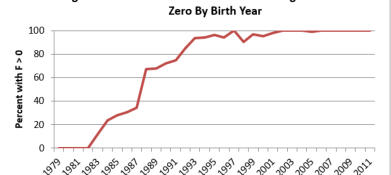

Rebuilding
Project












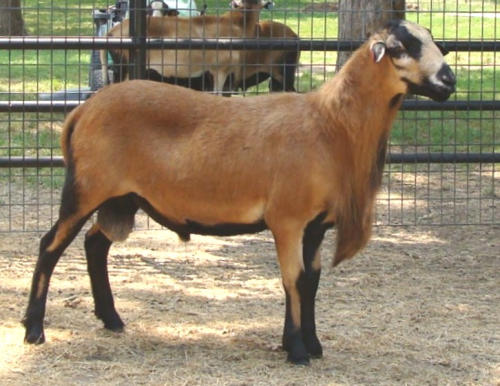
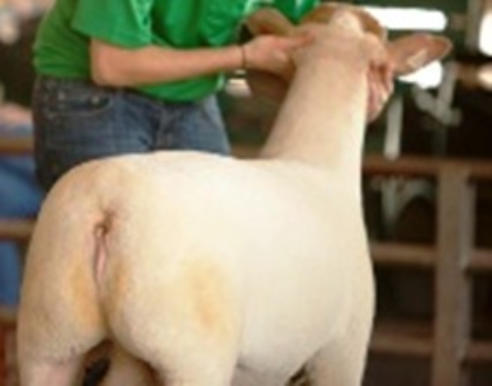
Rebuilding Project Overview
In March of 2012, The California Red Sheep Registry, Inc. contacted the National Animal Germplasm Program
for an assessment of the status of their breed. The assessment concluded that “Over the long term with no
changes in breed wide mating strategies the observed trend will continue eventually resulting in a substantial
decrease in performance due to inbreeding depression.”
Since the California Red Sheep is not a heritage breed (having been developed in the 1970’s), Dr. Blackburn
offered the following recommendation: “the California Red Association to re-open its herd book and allow the
registration of newly formed California Reds (Tunis x (Tunis X Blackbelly Barbados)). This strategy can drive
inbreeding levels back to zero, depending on how widely breeders use the new composite animals.” And, Dr.
Blackburn further concluded, “Not only does this allow inbreeding to be controlled it allows breeders to take
advantage of the hybrid vigor generated.”
For these reasons, the California Red Sheep Registry Board of Directors on November 3, 2012 voted as follows:
“The registry is re-opened for the purpose of permitting registration of new foundation stock through a
‘California Red Sheep Rebuilding Program’. A committee is established to oversee the ‘California Red Sheep
Rebuilding Program’ and to establish protocol and help to vote on approval of new registry candidates and
develop forms tracking this program.”
If you would like to participate in this program, please complete the Intent to Participate in California Red
Sheep Rebuilding Project form.
Copyright The California Red Sheep Registry, Inc. and/or circleofdreamers.com.
Rebuilding Project
Overview
In March of 2012, The California Red Sheep
Registry, Inc. contacted the National
Animal Germplasm Program for an
assessment of the status of their breed.
The assessment concluded that “Over the
long term with no changes in breed wide
mating strategies the observed trend will
continue eventually resulting in a
substantial decrease in performance due
to inbreeding depression.”
Since the California Red Sheep is not a
heritage breed (having been developed in
the 1970’s), Dr. Blackburn offered the
following recommendation: “the
California Red Association to re-open its
herd book and allow the registration of
newly formed California Reds (Tunis x
(Tunis X Blackbelly Barbados)). This
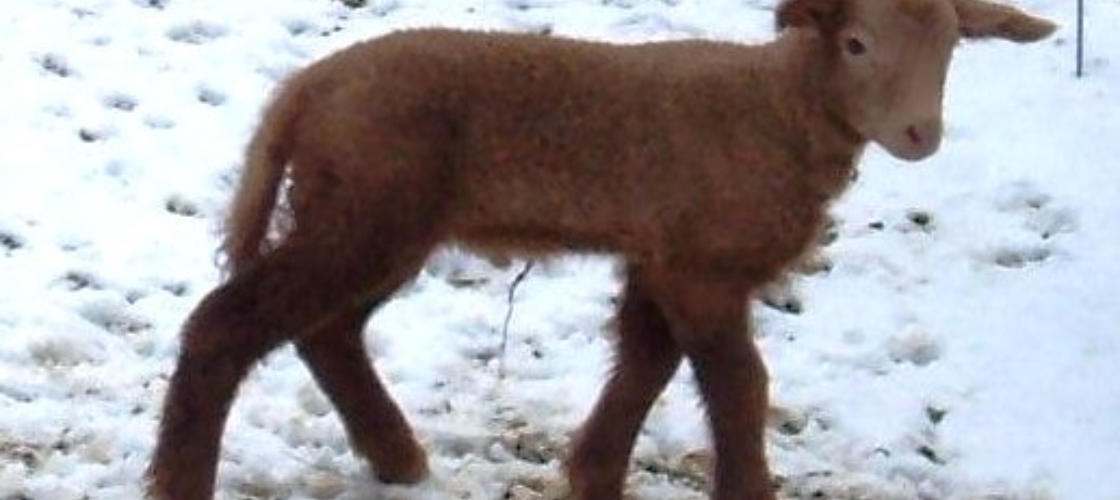
California
Red Sheep
Rebuilding
Plan
Rebuilding Plan for California Red Sheep Breed
1. Registry will be re-opened to accept new foundation stock bloodlines approved by the Rebuilding Committee.
2. A California Red Sheep Lineage Registry, separate and apart from the main registry, will be established to record the Tunis,
Barbados Blackbelly and first crosses used to establish new foundation lines for the breed.
3. New foundation lines must meet all California Red Sheep breed standards and be 62.5% to 75% Tunis and 25% to 37.5%
Barbados Blackbelly (polled). American Barbados are not acceptable bloodlines for this program. Any Tunis or Barbados
Blackbelly animals being used in this program must be registered with the California Red Sheep Lineage Registry prior to
being used to establish new California Red Sheep foundation stock.
4. Tunis sheep used in this program must be registered with the National Tunis Sheep Registry, Inc.
a. In addition:
i. Tunis sheep used in this program must not have dewlaps.
5. Barbados Blackbelly sheep used in this program must be registered with the Barbados Blackbelly Sheep Association
International in the Barbados Blackbelly (polled) book.
a. In addition:
i. Barbados Blackbelly sheep used in this program must be devoid of wattles.
ii. Barbados Blackbelly sheep used in this program should not have white.
6. (Optional) Those participating in this rebuilding program should be cognizant that both Tunis and Barbados Blackbelly
breeds are rare and animals used in this program should be used for 2-3 years and then returned to a breeder in their own
breed. Be respectful of the fact that these animals are needed by their respective breeds.
7. Participation in the Rebuilding Plan is limited to CA Red Sheep breeders in good standing for the past two years. However, a
CA Red Sheep breeder may sponsor an independent non-member, provided that member joins the CA Red Sheep Registry
while in the rebuilding program. The sponsor would be required to verify in-person all applications for registration.
Members of the California Red Sheep Registry participating in this program must submit five photos and a copy of the breed
registration papers for any Tunis or Barbados Blackbelly used in this rebuilding program for the animal to be included in the
Lineage registry. Both parents must be in the Lineage Registry for a First Cross animal to qualify for application. First cross
animals do not have to meet the breed standards of any of the breeds involved.
8. Members of the California Red Sheep Registry participating in this program will submit an annual breeding report listing
the ewes covered and indicating the covering ram.
9. Members of the California Red Sheep Registry participating in this program will submit an annual lambing report which
includes flock numbers, genders, birth type (single, twin, triplet, etc), birth weight and color descriptions with 1-3 photos of
each lamb.
10. Once a member has a candidate that meets the California Red Sheep Registry Standards and falls into the breed
percentages outlined in line 3 above, they may submit an application for registry following the regular registration
requirements for mail in registry.
11. This program can be temporary or permanent. The Board of Directors of the California Red Sheep Registry will review this
program every five years beginning with 2017 to evaluate progress and assess need for continuation or changes to this
program.
Copyright The California Red Sheep Registry, Inc. and/or circleofdreamers.com.

California
Red Sheep
Rebuilding
Plan
Rebuilding Plan for
California Red Sheep
Breed
1. Registry will be re-opened to accept new
foundation stock bloodlines approved by the
Rebuilding Committee.
2. A California Red Sheep Lineage Registry,
separate and apart from the main registry, will
be established to record the Tunis, Barbados
Blackbelly and first crosses used to establish
new foundation lines for the breed.
3. New foundation lines must meet all
California Red Sheep breed standards and be
62.5% to 75% Tunis and 25% to 37.5% Barbados
Blackbelly (polled). American Barbados are not
acceptable bloodlines for this program. Any
Tunis or Barbados Blackbelly animals being
used in this program must be registered with
the California Red Sheep Lineage Registry prior
to being used to establish new California Red
Sheep foundation stock.
4. Tunis sheep used in this program must be
registered with the National Tunis Sheep
Registry, Inc.
a. In addition:
i. Tunis sheep used in this program must
not have dewlaps.
5. Barbados Blackbelly sheep used in this
program must be registered with the Barbados
Blackbelly Sheep Association International in
the Barbados Blackbelly (polled) book.
a. In addition:
i. Barbados Blackbelly sheep used in this
program must be devoid of wattles.
ii. Barbados Blackbelly sheep used in this
program should not have white.
6. (Optional) Those participating in this
rebuilding program should be cognizant that
both Tunis and Barbados Blackbelly breeds are
rare and animals used in this program should
be used for 2-3 years and then returned to a
breeder in their own breed. Be respectful of the
fact that these animals are needed by their
respective breeds.
7. Participation in the Rebuilding Plan is limited
to CA Red Sheep breeders in good standing for
the past two years. However, a CA Red Sheep
breeder may sponsor an independent non-
member, provided that member joins the CA
Red Sheep Registry while in the rebuilding
program. The sponsor would be required to
verify in-person all applications for registration.
Members of the California Red Sheep Registry
participating in this program must submit five
photos and a copy of the breed registration
papers for any Tunis or Barbados Blackbelly
used in this rebuilding program for the animal
to be included in the Lineage registry. Both
parents must be in the Lineage Registry for a
First Cross animal to qualify for application.
First cross animals do not have to meet the
breed standards of any of the breeds involved.
8. Members of the California Red Sheep Registry
participating in this program will submit an
annual breeding report listing the ewes covered
and indicating the covering ram.
9. Members of the California Red Sheep Registry
participating in this program will submit an
annual lambing report which includes flock
numbers, genders, birth type (single, twin,
triplet, etc), birth weight and color descriptions
with 1-3 photos of each lamb.
10. Once a member has a candidate that meets
the California Red Sheep Registry Standards
and falls into the breed percentages outlined in
line 3 above, they may submit an application
for registry following the regular registration
requirements for mail in registry.
11. This program can be temporary or
permanent. The Board of Directors of the
California Red Sheep Registry will review this
program every five years beginning with 2017 to
evaluate progress and assess need for
continuation or changes to this program.
ADDRESS
The California Red Sheep Registry, Inc.
PO Box 468
La Plata NM 87418
caredsheep@caredsheep.com
PHONE
505-486-5564
Copyright The California Red Sheep Registry, Inc. and/or circleofdreamers.com.
ADDRESS
The California Red Sheep
Registry, Inc.
PO Box 468
La Plata NM 87418
caredsheep@caredsheep.
com
PHONE
505-486-5564